Window Tinting for Home: The Expert Guide for 2026
Window Tinting for Home: The Expert Guide for 2026
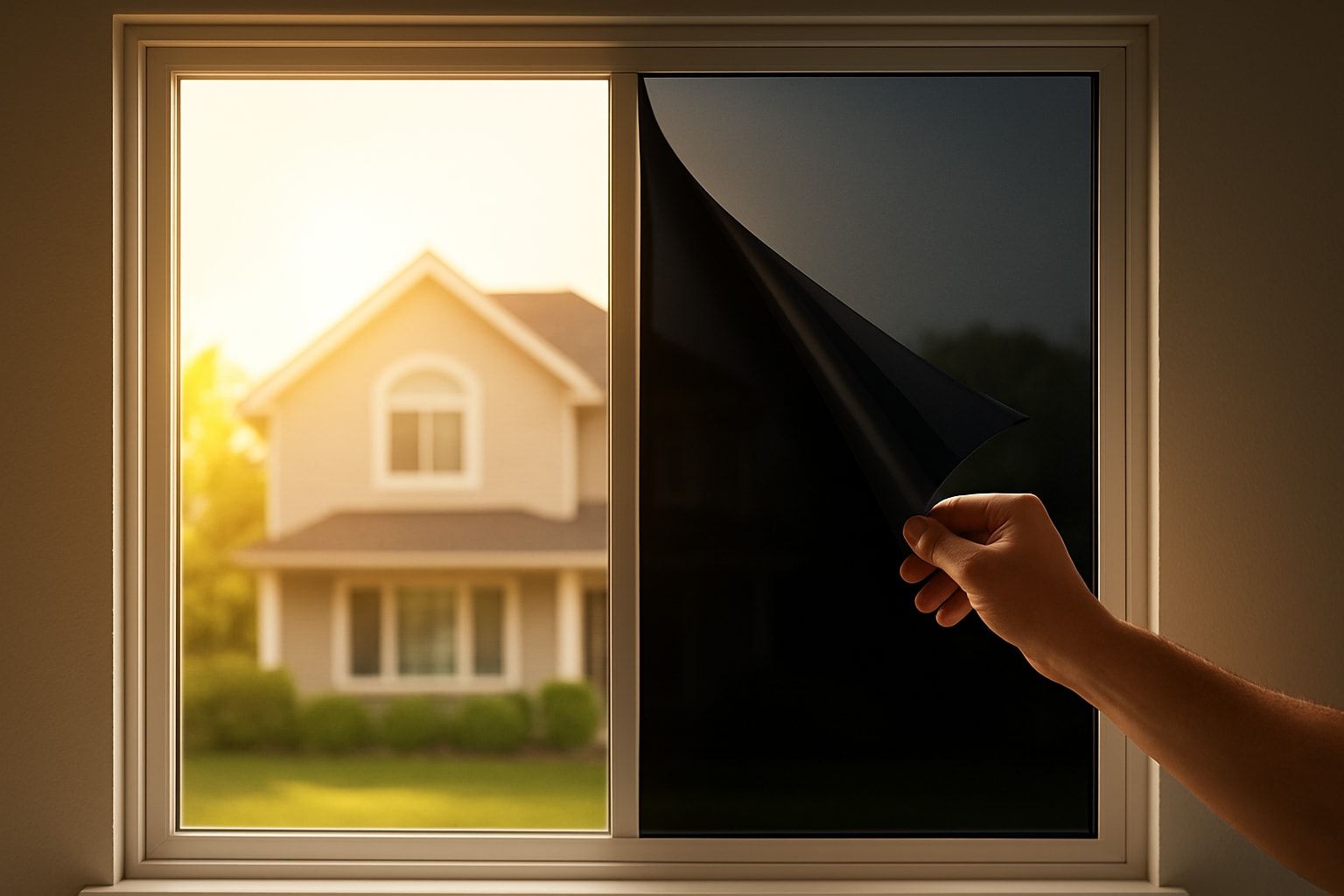
Imagine transforming your living space into a haven of comfort, privacy, and efficiency with a single decision. Today’s homeowners are discovering how one upgrade can change everything.
This expert guide on window tinting for home reveals the latest insights, practical benefits, and innovative trends for 2026. You will learn about the types of films available, step-by-step installation, essential maintenance, and the real value this upgrade offers.
Ready to make your home smarter, safer, and more sustainable? Explore your options and discover what window tinting can do for your space.
The Benefits of Home Window Tinting in 2026
Transforming your space with window tinting for home is more than just an aesthetic upgrade. In 2026, homeowners are discovering a host of practical advantages, from energy savings to improved comfort and security. Let’s explore why window tinting for home is one of the most valuable investments you can make for your property.
Enhanced Energy Efficiency and Cost Savings
Window tinting for home provides a powerful shield against excessive heat gain and loss. By reflecting and absorbing solar energy, modern films help regulate your indoor temperature year-round.
According to a 2025 EPA study, homeowners can see up to a 30% reduction in energy bills after installing quality window film. For example, a Texas family reported significant HVAC savings during peak summer months after adding window tinting for home.
When compared to untreated glass, tinted windows reduce the workload on heating and cooling systems, lowering both costs and carbon footprint. To understand the science and data behind these savings, review the End-Use Savings Shapes Measure Documentation: Window Film.
Improved Privacy and Security
Privacy ranks high for many homeowners considering window tinting for home. Specialized films obscure the interior view from outsiders, making it difficult for passersby to see inside.
For those seeking enhanced protection, security films add a robust layer that helps deter break-ins. Statistics from the FBI (2024) show that 60% of break-ins occur through windows. One suburban homeowner recently used window tinting for home on street-facing windows, instantly boosting privacy and peace of mind.
Security films also hold glass together upon impact, reducing the risk of injury during breakage and making forced entry more difficult.
UV Protection and Health Benefits
Modern window tinting for home is engineered to block up to 99% of harmful UV rays. This provides crucial protection for both your family’s health and your home’s interiors.
Prolonged UV exposure can lead to skin aging and increase the risk of skin cancer, even indoors. The Skin Cancer Foundation endorses window films for their effectiveness in reducing these risks. Window tinting for home also prevents fading and discoloration of furniture, flooring, and artwork.
Families who invest in UV-blocking films notice longer-lasting furnishings and healthier living environments.
Glare Reduction and Enhanced Comfort
Glare from sunlight can make home offices, living rooms, and media spaces uncomfortable. Window tinting for home solves this by filtering out harsh rays, allowing for a more enjoyable and productive environment.
For example, one family noticed that after applying window tinting for home, their family room became a preferred spot for watching movies and working on laptops, free from excessive brightness.
Whether you’re working remotely or relaxing with loved ones, glare reduction improves daily comfort and helps protect your eyes from strain.
Aesthetic Upgrades and Home Value
Today’s window tinting for home comes in a variety of shades and finishes, offering a modern, polished look. Homeowners can choose subtle tints or bold designs to complement their property’s style.
Real estate reports reveal that homes with window tinting for home enjoy a notable boost in curb appeal. According to the National Association of Realtors (2025), tinted homes have sold for up to 5% more than similar properties without tint.
Beyond aesthetics, the added privacy and energy efficiency make your home more attractive to prospective buyers.
Environmental Impact and Sustainability
Eco-conscious homeowners appreciate that window tinting for home can support sustainability goals. Many modern films are manufactured using eco-friendly materials and contribute to green home certifications.
By reducing energy consumption and greenhouse gas emissions, window tinting for home is a smart choice for those looking to minimize their environmental footprint while enjoying a more comfortable living space.
Types of Window Tinting Films for Homes
Choosing the right window tinting for home is essential in 2026, as the variety of films now available allows homeowners to address specific needs for comfort, privacy, and efficiency. Whether your goal is to block harsh sunlight, enhance security, or simply upgrade your décor, understanding the different film types is the key to making an informed decision. For a deeper dive into expert advice and practical tips, you can explore this house window film tips and insights guide.
Solar Control Films
Solar control films are among the most popular options for window tinting for home, especially in regions with intense sunlight. These films are engineered to reflect and absorb solar energy, reducing heat gain and glare inside your living spaces. By blocking a significant portion of the sun’s rays, they help lower cooling costs and maintain a comfortable indoor temperature.
Homeowners often use solar control films in rooms with large, south-facing windows or areas that receive direct sunlight for most of the day. For example, the 3M Prestige Series is recognized for its ability to balance light transmission with solar rejection, making it a top choice for energy efficiency.
Benefits of solar control films include:
- Reduced fading of furniture and flooring
- Enhanced comfort during hot seasons
- Lower energy bills
For those seeking window tinting for home that combines performance with a clear view, solar control films are a smart investment.
Privacy and Decorative Films
When privacy is a priority, privacy and decorative films are ideal for window tinting for home. These films come in a variety of frosted, etched, and patterned designs to obscure the view into private areas without sacrificing natural light. They’re commonly used in bathrooms, entryways, or street-facing rooms where discretion matters most.
Custom designs allow you to match your interior style, adding a touch of sophistication or even a bold statement. For instance, modern geometric patterns or subtle gradients can completely transform the look of a glass door or sidelights.
Key advantages include:
- Stylish solutions for privacy
- Daylight retention while blocking unwanted views
- Easy to update or change as trends evolve
Privacy and decorative films make window tinting for home both functional and visually appealing.
Safety and Security Films
Safety and security films play a critical role in window tinting for home by reinforcing glass and helping prevent shattering during impact. These robust films are engineered to hold glass fragments together if a window is broken, offering added protection against accidents, storms, or attempted break-ins.
Ballistic-resistant films, in particular, are increasingly chosen for high-risk or ground-level windows. According to a 2024 study, homes with security films experienced an 80% reduction in injury risk during break-ins. This makes them a practical choice for families concerned about safety.
Benefits include:
- Increased resistance to forced entry
- Reduced risk of injury from broken glass
- Peace of mind for vulnerable entry points
With safety and security films, window tinting for home becomes a vital security upgrade.
UV-Blocking Films
UV-blocking films are specially formulated for window tinting for home where health and preservation are top concerns. These films can block up to 99% of harmful ultraviolet rays, protecting both your family and your furnishings from long-term damage.
Exposure to UV rays indoors can cause skin aging and fading of artwork, flooring, and furniture. The Llumar UVShield, for example, is a leading product designed to minimize these risks without noticeably changing the appearance of your windows.
Key features include:
- Maximum UV protection for skin and interiors
- Maintains window clarity and brightness
- Helps prevent costly sun damage
For comprehensive protection, UV-blocking films are essential in the modern approach to window tinting for home.
Smart and Switchable Films
Smart and switchable films represent the newest innovation in window tinting for home, offering on-demand control of privacy and light. These films use electrochromic or liquid crystal technology to shift from clear to opaque with the touch of a button or through automated smart home integration.
This flexibility is perfect for multipurpose spaces, such as home offices or bedrooms, where privacy needs may change throughout the day. Integration with smart home systems allows for scheduled or sensor-triggered adjustments, providing both convenience and customization.
Advantages include:
- Instant privacy when needed
- Seamless integration with modern technology
- Enhanced control over indoor lighting and ambiance
Smart and switchable films are redefining the possibilities of window tinting for home, making it both adaptive and intelligent.
Step-by-Step Guide: How to Tint Your Home Windows in 2026
Transforming your living space with window tinting for home is a rewarding project when approached methodically. This step-by-step guide ensures each phase is manageable, whether you are a seasoned DIY enthusiast or a first-time installer. Let’s explore how to achieve optimal results for comfort, privacy, and efficiency.
Step 1: Assess Your Needs and Window Types
Before you start window tinting for home, define your primary goals. Are you seeking better energy efficiency, enhanced privacy, or a modern aesthetic? Evaluate the direction and size of each window, noting which rooms experience the most sunlight or require extra privacy.
South-facing windows often need high solar rejection, while north-facing ones may not. List your window locations and measure their exposure throughout the day. This assessment ensures your window tinting for home project delivers the benefits you expect.
Step 2: Choose the Right Film
Selecting the ideal film is crucial for effective window tinting for home. Match your choice to your goals and regional climate. For energy savings, opt for films with high solar heat rejection. Privacy films are excellent for street-facing windows or bathrooms, while security films offer added protection.
Consult manufacturer specifications and user reviews for insight. In hot climates, prioritize films rated for superior UV and heat blocking. Your decisions at this stage set the foundation for a successful window tinting for home experience.
Step 3: Prepare the Workspace and Windows
Proper preparation directly impacts the quality of window tinting for home. Begin by thoroughly cleaning all glass surfaces with a lint-free cloth and a mild, ammonia-free cleaner. Remove window treatments, furniture, and obstacles to create a clear workspace.
If you are working on higher floors, use stable ladders or scaffolding, and always prioritize safety. Dust and debris can cause bubbles or poor adhesion, so take extra care to ensure a pristine environment before starting window tinting for home.
Step 4: Cut and Measure Film Precisely
Accurate measurement is key to professional-looking window tinting for home. Measure each pane twice for precision, accounting for frames and any hardware. Use a sharp utility knife, a metal ruler, and a squeegee to cut the film slightly larger than the window, trimming excess after application.
Common DIY mistakes include cutting the film too small or unevenly, which can lead to gaps or peeling. Take your time with this step to guarantee a perfect fit for your window tinting for home.
Step 5: Apply the Film
There are two main methods for applying film during window tinting for home: wet and dry. The wet method is most popular, as it allows you to reposition the film before it sets. Spray the glass generously with a solution of water and a few drops of baby shampoo. Peel the protective backing from the film, then place it onto the wet glass.
Use a squeegee to smooth out bubbles and wrinkles, working from the center outward. For curved or irregular windows, gently stretch the film as needed. Patience is essential for flawless results. If you are unsure about tackling this step yourself, consider reviewing a residential window tinting services guide to weigh the benefits of professional installation versus DIY. High-quality application enhances the look and durability of window tinting for home, ensuring a long-lasting upgrade.
Step 6: Curing and Aftercare
After applying window tinting for home, allow the film to cure undisturbed for 24 to 72 hours, depending on the manufacturer’s recommendations. Avoid cleaning or touching the windows during this period to prevent shifting or bubbling.
Signs of successful curing include a smooth, even appearance without cloudiness. Once cured, gently clean the film with a soft cloth and mild, ammonia-free solution. This care routine preserves the clarity and performance of your window tinting for home.
Step 7: Troubleshooting Common Issues
If you notice peeling, bubbling, or edges lifting after window tinting for home, address these issues promptly. Small bubbles often disappear during curing, but persistent problems may require smoothing with a squeegee or reapplying the film.
For severe issues, such as extensive bubbling or film damage, consult a professional installer. Timely troubleshooting maintains the integrity and appearance of window tinting for home.
Maintenance and Longevity of Home Window Tinting
Proper maintenance ensures that window tinting for home delivers long-lasting benefits, from energy efficiency to UV protection. By following best practices and understanding what to expect over time, homeowners can maximize their investment and enjoy lasting performance.
Cleaning and Care Best Practices
To extend the life of window tinting for home, use proper cleaning methods. Always opt for soft microfiber cloths and gentle, ammonia-free cleaning solutions. Ammonia can degrade film over time, causing discoloration or peeling. Clean tints every few months or as needed to keep them clear and streak-free.
- Use a soft, lint-free cloth or sponge.
- Choose mild, non-abrasive cleaning products.
- Spray cleaner onto the cloth, not directly on the window.
- Wipe gently in straight lines to avoid bubbles.
For more details on protecting your tint and interiors, visit UV film protection for your home. With these simple steps, you’ll prevent scratches and maintain the effectiveness of window tinting for home.
Expected Lifespan and Warranty Information
Most window tinting for home is designed to last between 10 and 20 years, depending on film quality and exposure. Manufacturers often provide warranties that cover defects, fading, or bubbling. However, using harsh cleaners or improper installation can void coverage.
Below is a quick comparison of leading brands’ warranties:
BrandTypical LifespanWarranty CoverageBrand A15 yearsFading, peelingBrand B20 yearsBubbling, discolorationBrand C12 yearsCracking, adhesion
Review warranty terms carefully and follow care instructions to keep your window tinting for home protected for years.
Recognizing Signs of Wear or Failure
Over time, window tinting for home may show signs of aging. Look for issues such as fading, bubbling, peeling, or discoloration. Early detection allows you to address problems before they worsen.
Common signs include:
- Edges lifting away from the glass
- Noticeable color change or yellowing
- Persistent bubbles or creases
- Loss of clarity or increased haze
If you notice these issues, assess whether a repair or full replacement is needed. Timely action preserves the benefits of window tinting for home and prevents further damage.
Professional Maintenance Services
While regular cleaning is manageable for most, some homeowners choose scheduled professional maintenance for their window tinting for home. Experts can inspect for subtle film damage, perform deep cleaning, and recommend reapplication if needed.
Professional upkeep may be especially beneficial for large homes or specialty films. Compare costs: DIY maintenance is affordable, but expert services offer peace of mind and may extend film life. When signs of significant wear appear, consult a professional to ensure your window tinting for home remains effective and visually appealing.
Cost, Value, and ROI of Window Tinting for Homes
Understanding the financial aspects of window tinting for home is crucial for any homeowner considering this upgrade. From upfront investment to long-term returns, evaluating the real value helps you make an informed decision.
Upfront Installation Costs
The initial expense for window tinting for home varies based on several factors. On average, homeowners in 2026 can expect to pay between $5 and $12 per square foot. The final price depends on the type of film, window size, and whether you opt for DIY or professional installation.
Below is a quick cost comparison:
Type of FilmCost per Sq. Ft.Typical ApplicationStandard Solar$5 – $7Living rooms, bedroomsSecurity/Safety$7 – $12Entryways, basementsSmart/Switchable$10 – $15Offices, media rooms
For a 2,000 sq. ft. home, total costs can range from $2,000 to $6,000 depending on coverage and film choice. Investing in quality installation ensures optimal performance and longevity for your window tinting for home.
Long-Term Savings and Payback Period
One of the most compelling reasons to choose window tinting for home is the significant reduction in energy bills. According to the EPA, homeowners can save up to 30% on cooling and heating costs by minimizing heat gain and loss. For many, this translates to a payback period of just two to four years.
Real-world surveys from 2025 show that families in hot climates report annual savings of $500 or more. When combined with ENERGY STAR® Certified Windows, the efficiency of window tinting for home is even greater, maximizing comfort and minimizing expenses.
Impact on Home Value and Insurance
Window tinting for home can directly increase your property’s resale value. Real estate professionals report homes with tinted windows often sell 5% higher than comparable properties without this upgrade. Enhanced aesthetics, improved energy ratings, and privacy all contribute to buyer appeal.
Additionally, certain security films may qualify you for insurance discounts. Some providers offer up to 10% off premiums for homes with reinforced windows. To explore specific security film options, visit this Security film for home windows guide for more details.
Rebates, Incentives, and Financing Options
To make window tinting for home even more accessible, homeowners can tap into a range of financial incentives. Federal and local governments frequently offer rebates for energy-efficient upgrades. In 2026, major programs like Energy Star provide rebates or tax credits for qualifying installations.
Financing options are also available, allowing you to spread costs over time. Many window film providers partner with lenders to offer low-interest plans for large projects. Always check with your local utility or government agency for the latest offers on window tinting for home.
Future Trends and Innovations in Home Window Tinting
The future of window tinting for home is rapidly evolving, offering homeowners smarter solutions, better sustainability, and increased safety. As technology and market demands shift, window tinting for home is set to become a cornerstone of modern living, blending innovation with everyday comfort.
Advancements in Smart and Adaptive Films
Innovation in window tinting for home is being driven by smart and adaptive films. These technologies use electrochromic materials to adjust tint levels automatically, responding to sunlight, temperature, or user preferences. Imagine windows that darken during peak sun hours and clear up on cloudy days, all managed via a smart device.
Some systems now integrate with AI-powered home automation, optimizing light and privacy based on occupancy and weather. Recent breakthroughs, such as Low-Power Temperature Control by Chiral Ferroelectric Nematic Liquid Crystal Windows, promise even more efficient and responsive solutions. These advancements are making window tinting for home more versatile and energy-efficient than ever.
Sustainability and Eco-Friendly Materials
Sustainability is shaping the next generation of window tinting for home. Manufacturers are prioritizing biodegradable and recyclable films, reducing environmental impact from production through disposal. Many new films are made with non-toxic materials and feature improved longevity, minimizing waste.
Eco-friendly films can also help homeowners achieve green building certifications, supporting broader environmental goals. As window tinting for home continues to evolve, the focus on sustainable materials ensures that comfort and responsibility go hand in hand.
Enhanced Security and Ballistic Film Technologies
Security concerns are leading to the development of advanced window tinting for home that goes beyond traditional options. Modern safety films are designed to resist shattering and provide a barrier against forced entry. Some new products even offer ballistic resistance, protecting homes in high-risk areas.
Standards for these films are becoming more rigorous, with certifications for impact resistance and durability. Homeowners seeking peace of mind can now choose window tinting for home that not only enhances privacy but also strengthens their physical security.
Market Outlook and Consumer Preferences for 2026
The window tinting for home market is projected to grow at a 15% CAGR through 2028, reflecting rising consumer interest in customization, energy savings, and security. Decorative and privacy films are especially popular, as homeowners look to personalize their spaces while improving comfort.
Industry analysis shows a surge in demand for smart and adaptive films, aligning with broader trends in home automation. For a deeper dive into these developments, see the latest Window Film Market Size and Trends for comprehensive market insights. As window tinting for home becomes more mainstream, expect continued innovation and choice.
Regulatory Changes and Industry Standards
As window tinting for home gains popularity, regulations are adapting to ensure safety and consistency. Updates to building codes now address allowable reflectivity and film performance for residential applications.
Some regions set new limits on exterior reflectivity to balance privacy with neighborhood aesthetics. Industry standards are also evolving, with certifications for UV protection, sustainability, and security. Staying informed about these changes helps homeowners make compliant and future-proof choices for their window tinting for home.
As you consider the many benefits of home window tinting—from energy savings and enhanced privacy to UV protection and increased home value—you can see how this single upgrade makes a real difference for your comfort and security. Whether you want to keep your family safer, create a more comfortable living space, or boost your home’s curb appeal, taking the next step is simple. If you are ready to explore options tailored to your needs, let the experts at Lewolf Window Tint and Film Solutions guide you. Visit their site to get free quote and start transforming your home today.