Car Tinting Guide: Expert Tips and Insights for 2026
Car Tinting Guide: Expert Tips and Insights for 2026
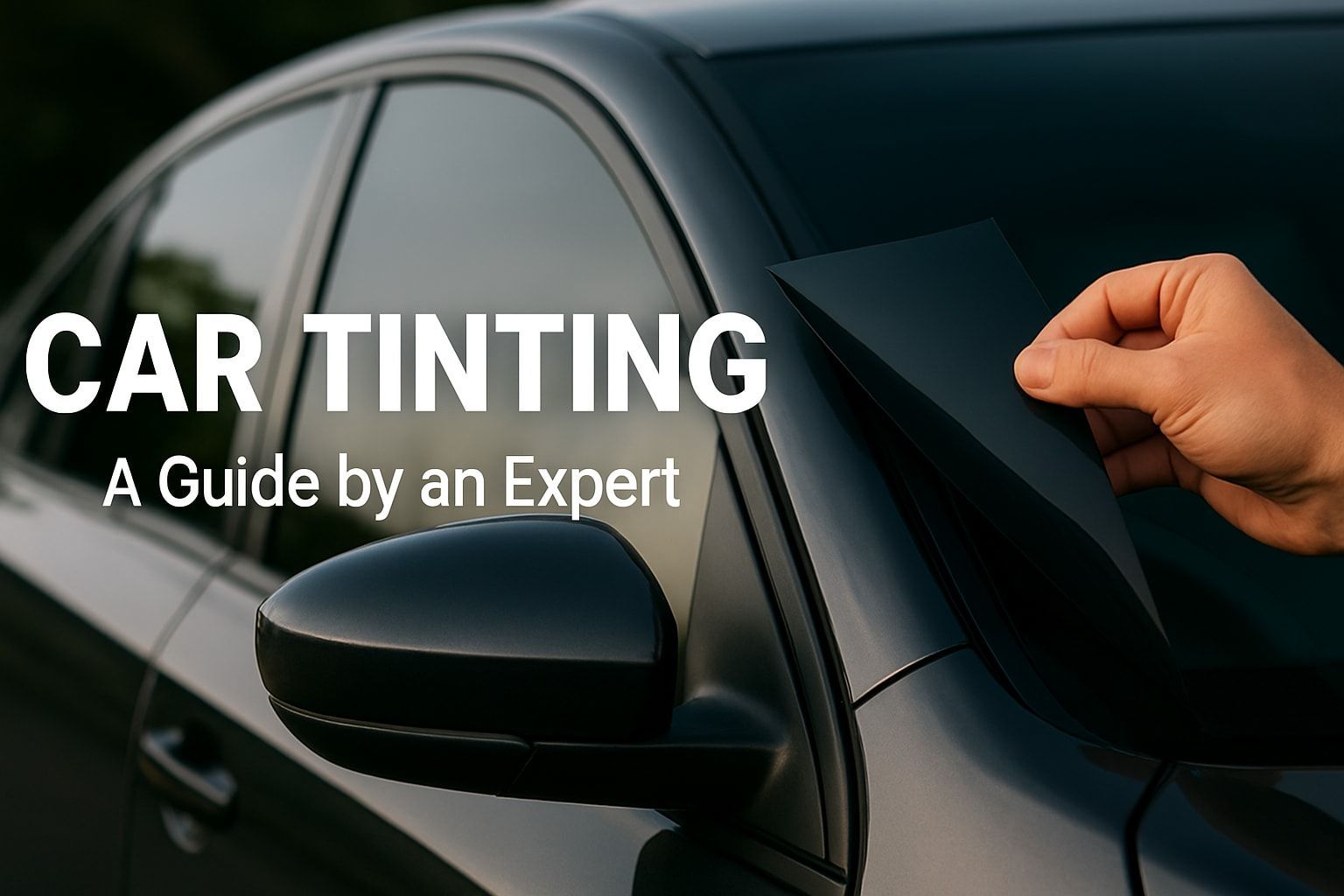
Imagine driving into 2026 in a vehicle that feels cooler, safer, and undeniably more stylish. The right car tinting can transform your daily commute, offering more than just a sleek appearance.
This guide is your trusted resource for car tinting in 2026. Here, you will find expert advice, up-to-date regulations, and the latest trends to help you make smart choices for your vehicle.
You will discover the real benefits and potential drawbacks of car tinting, learn about new laws and technologies, compare film types, and explore installation and maintenance tips.
Car tinting is not just about looks. It is about comfort, safety, and protecting your investment. Use this guide to make informed decisions and get the most out of your car tinting experience.
The Benefits and Drawbacks of Car Tinting
Choosing car tinting is a decision that affects more than just the style of your vehicle. It can change your comfort, safety, and even your car’s longevity. Understanding the full range of benefits and drawbacks ensures you make the best choice for your needs.
Advantages of Car Window Tinting
Car tinting offers significant protection against harmful ultraviolet rays. Modern films can block up to 99% of UV radiation, helping to lower your risk of skin cancer and premature aging. This level of protection is highly recommended by safety organizations and is especially important for drivers who spend long hours on the road.
Tinted windows also help control cabin temperature. By blocking solar energy, car tinting can keep your vehicle cooler on hot days and reduce the workload on your air conditioning system. Studies show that this can even improve fuel efficiency. The reduction in glare from sunlight and headlights enhances visibility, making every drive safer and less tiring for your eyes.
Privacy is another key advantage. Car tinting makes it more difficult for outsiders to see into your vehicle, which can deter theft and protect your belongings. The film also acts as a shield for your interior, preventing dashboard cracking and upholstery fading caused by prolonged exposure to sunlight.
In the event of an accident, window tint provides an extra layer that helps hold shattered glass together, reducing the risk of injury. With these benefits, car tinting is more than just a cosmetic choice—it’s a smart investment in your vehicle’s comfort and longevity.
Potential Downsides and Considerations
Despite its many advantages, car tinting comes with important considerations. The upfront cost can be substantial, with professional installations ranging from $250 to over $1,000 depending on the film and vehicle type. While higher-quality films last longer, cheaper options may fade, bubble, or peel within a few years.
Visibility is a critical issue. Dark tints may look appealing but can reduce your ability to see clearly at night or during poor weather. This can create safety risks, especially on unfamiliar roads. Poor installation can cause bubbling, discoloration, or obstructed views, which not only looks unsightly but also affects performance.
Another downside is potential interference with electronic devices. Some metallic films can disrupt signals for cell phones, key fobs, and tire pressure monitoring systems. Not all films are created equal, so it is essential to research and choose wisely.
Finally, legal compliance is a significant concern. Each state has its own regulations on allowable tint darkness and reflectivity. Failing to comply can result in fines or failed inspections. For a deeper dive on the topic, see this Pros and Cons of Window Tinting guide, which covers both the advantages and the challenges in detail.
Real-World Examples and Data
Real-world cases highlight the importance of understanding car tinting. For example, a driver in Texas failed a vehicle inspection due to an illegal tint shade and was required to pay for removal before retesting. Data shows that hybrid and ceramic films can last up to 15 years, while basic dyed films may fade in as little as 5 years.
Ceramic tints are now the preferred choice for many electric vehicle owners, thanks to their superior heat rejection and minimal electronic interference. These trends reflect a growing awareness of the value and complexity of car tinting.
Understanding Car Tint Laws and Regulations in 2026
Navigating car tinting regulations in 2026 requires both awareness and diligence. Laws have evolved to address advances in tint technology and growing safety concerns. Staying informed is essential to avoid costly penalties and ensure your vehicle remains compliant.
State and Local Tinting Laws
Car tinting laws vary widely across the United States, with each state setting its own rules on the Visible Light Transmission (VLT) percentage allowed for different windows. For example, California requires at least 70% VLT on front side windows, while Texas permits down to 25%. Windshield tinting is highly restricted everywhere, typically only allowing a narrow strip at the top. In some states such as Vermont, New Hampshire, and New Jersey, aftermarket tint on the front windows is completely prohibited.
The laws may also differ based on vehicle type. SUVs, trucks, and commercial vehicles can have different standards than passenger cars. Annual updates to regulations are common, so it is critical to check with your state’s DMV or a trusted installer before making any car tinting decisions. For those seeking a comprehensive breakdown, the Car tinting laws and compliance resource provides expert guidance and up-to-date legal information.
StateFront Side VLTRear Side VLTWindshield TintCalifornia70%AnyTop 4 inches onlyTexas25%AnyTop 5 inches onlyNew York70%70%Top 6 inches onlyVermontNo tintAnyAS-1 line only
Staying current is vital, as car tinting laws can change with little notice.
Medical Exemptions and Special Cases
Certain medical conditions require extra protection from sunlight. Many states allow medical exemptions for car tinting, especially for people with lupus, photosensitivity, or similar issues. To qualify, you must submit a formal application, provide medical documentation, and often seek DMV approval.
Once granted, a medical exemption may permit darker tints than normally allowed. Always carry your exemption paperwork in your vehicle. This ensures you can quickly demonstrate your car tinting compliance if questioned by law enforcement or during inspection.
Penalties for Non-Compliance
Enforcement of car tinting laws is strict in 2026. Police officers routinely use specialized devices to measure your window’s VLT right at traffic stops. Penalties for non-compliance range from verbal warnings to costly tickets and, in some states, even misdemeanor charges.
Fines typically start at $100 and can reach $1,000 for repeat offenses. If your tint is too dark, your vehicle may fail its annual inspection, requiring you to remove or replace the film before passing. Ultimately, following car tinting laws not only avoids fines but also ensures your vehicle remains roadworthy.
Staying Compliant When Moving States
Relocating to a new state means your car tinting may need to be adjusted. Each state enforces its own regulations, and what is legal in one may be illegal in another. For example, a driver moving from New Mexico (where 20% VLT is allowed) to New York (requiring 70% VLT) must remove or replace their tint to comply.
Before moving, research your new state’s car tinting laws and schedule any necessary changes. This proactive step prevents inspection failures and legal headaches after you arrive.
How to Check and Prove Compliance
To verify that your car tinting meets state standards, professional installers often provide a compliance sticker or certificate after installation. Some states, such as Connecticut, require this proof for inspections. Keep your installation records and warranty documentation handy, as these can help resolve disputes during roadside checks.
Choosing a reputable installer familiar with local car tinting laws is the best way to avoid mistakes. Regularly check your tint’s condition and VLT percentage to ensure ongoing compliance.
Types of Car Tint Films: Features, Pros, and Cons
Choosing the right car tinting film is essential for comfort, safety, and long-term performance. Each film type offers unique features, pros, and cons, impacting how your vehicle looks and functions. Let us explore the main options for car tinting in 2026.
Ceramic Window Tint
Ceramic window tint is the premium choice for car tinting in 2026. This film stands out for blocking up to 99 percent of UV rays and 95 percent of infrared heat, making it ideal for drivers who prioritize protection from the sun. Ceramic films do not use any metal, so they avoid interference with electronic devices.
They are highly durable, resisting fading and discoloration even in harsh climates. Ceramic tint also reduces glare, which improves driving comfort and safety. With heat rejection rates between 60 and 70 percent, your vehicle stays cooler, and your air conditioning works more efficiently.
Although ceramic car tinting is more expensive, the investment often comes with a lifetime warranty. For those seeking top performance and longevity, ceramic is the ultimate choice.
Carbon Window Tint
Carbon window tint is a strong contender for those interested in car tinting with a balance of cost and performance. This film uses carbon particles to create a matte finish that avoids the mirrored look of metallic tints.
Carbon tint can block up to 99 percent of UV rays and about 45 percent of total solar energy. It is known for being durable and fade-resistant, maintaining its appearance over time. Unlike metallic films, carbon tint will not interfere with electronic signals, making it suitable for modern vehicles.
However, carbon car tinting does not provide as much infrared heat rejection as ceramic, so it may not keep your interior quite as cool in extreme climates.
Metallic Window Tint
Metallic window tint uses tiny metallic particles to reflect sunlight and heat away from your vehicle. For car tinting enthusiasts who want maximum heat rejection at a moderate price point, this film is a practical option.
Metallic tints are shatter-resistant and provide excellent durability. They block harmful UV rays and can help protect your car’s interior from fading and cracking. However, the metallic content may cause signal interference with cell phones, GPS, and keyless entry systems.
Additionally, metallic car tinting results in a shiny, reflective appearance that may not appeal to everyone. Always check local laws, as some jurisdictions limit the use of highly reflective films.
Hybrid Window Tint
Hybrid window tint combines dyed and metallic layers, offering a middle ground for car tinting needs. By mixing these materials, hybrid films balance cost, durability, and a more subtle appearance.
Hybrid tints block up to 99 percent of UV rays and about 45 percent of solar energy. They reduce glare effectively, ensuring driving comfort. Compared to pure metallic films, hybrids are less reflective and less likely to interfere with electronics.
For drivers who want the benefits of both dyed and metallic car tinting without the drawbacks, hybrid is a practical solution. Hybrid films are typically more expensive than dyed options but more affordable than ceramic.
Dyed Window Tint
Dyed window tint is the most affordable option for car tinting and is often chosen for its dark appearance. This film absorbs some solar energy, which can slightly reduce cabin heat and glare.
Dyed tint does not contain metal, so it will not interfere with electronics. However, it provides less heat rejection than other film types and is prone to fading or discoloration over time, especially when exposed to intense sunlight.
Cheaper dyed car tinting can also bubble or peel if not installed correctly. For budget-conscious owners or older vehicles, dyed film offers a basic level of privacy and style.
Comparing Tint Types: Which Is Right for You?
When deciding which car tinting film fits your needs, consider your budget, climate, and vehicle technology. For hot climates or tech-heavy cars, ceramic offers the best performance. Carbon is a solid mid-tier choice, while hybrid balances benefits and cost. Metallic works well unless you rely heavily on electronics. Dyed film suits tight budgets but may require more frequent replacement.
Below is a quick comparison for easy reference:
Tint TypeUV BlockHeat RejectionSignal InterferenceDurabilityCostCeramic99%60-70%None10-15 yrsHighestCarbon99%45%None10 yrsModerateMetallic99%50-60%Possible7-10 yrsModerateHybrid99%45%Low7-10 yrsModerateDyed95%20-30%None3-5 yrsLowest
For more details on the latest options and how to choose, see the Best car tint options for 2026.
Car Tint Installation: Professional vs. DIY and What to Expect
Choosing the right approach for car tinting can affect your vehicle’s comfort, aesthetics, and even legal compliance. Understanding what to expect from both professional and DIY installation helps you make the best decision for your needs.
Professional Installation Process
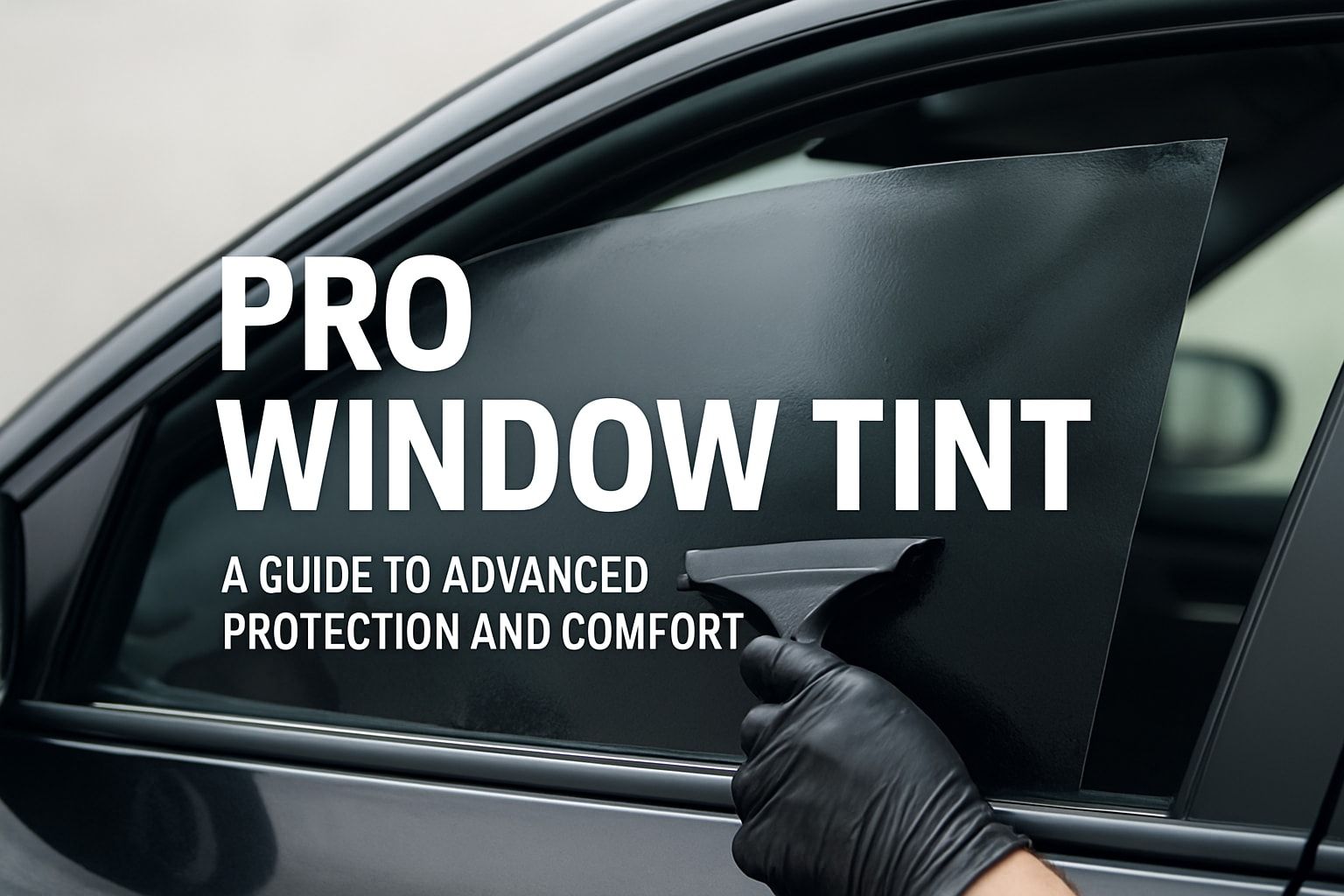
Professional car tinting starts with a consultation to match your needs to the right film type. The installer then carefully cleans the windows, precisely cuts the film, and applies it using specialized tools to prevent dust and bubbles. Most shops complete the process in about two hours, thanks to their experience and equipment.
Benefits include:
- Legal compliance, as pros know local laws
- Warranty coverage for bubbling, peeling, or fading
- Flawless results that enhance appearance and performance
For more in-depth information on professional methods and film choices, see this Car window tinting expert guide. Always visit shops in person, check cleanliness, and ask for references before committing.
DIY Tinting: Pros, Cons, and Kits
DIY car tinting appeals to those who want to save money and enjoy hands-on projects. Kits come pre-cut for your vehicle model or as rolls to cut yourself. The process involves meticulous cleaning, cutting, and applying the film without introducing dust, creases, or bubbles.
Pros:
- Lower cost compared to professional services
- Flexible timing to work at your own pace
Cons:
- Higher risk of mistakes like bubbling or peeling
- No professional warranty
- Time-consuming, especially for beginners
Cleaning is often the most time-intensive step, and first-timers may need several hours to finish. If you value your time or want guaranteed results, professional car tinting is often preferred.
Cost Breakdown and Factors Affecting Price
Car tinting costs depend on several factors, including vehicle type, film quality, and installer expertise. On average, tinting a sedan ranges from $250 to $500, while SUVs or vans can exceed $1,000 for premium films.
FactorImpact on PriceFilm Type/QualityHigher quality costs moreVehicle ModelLarger glass costs moreRegionUrban areas may charge moreInstaller SkillCertified pros may charge more
Remember, a higher price does not always guarantee better results. Research film performance, warranty terms, and installer reputation before choosing your car tinting solution.
How to Choose the Right Installer
Selecting a reputable car tinting installer is crucial for a smooth, compliant result. Look for certifications from industry organizations, read recent customer reviews, and confirm warranty coverage. Ask how much experience they have with your vehicle type and local laws.
Check the shop’s cleanliness and professionalism. A tidy workspace reflects attention to detail, which is vital for a flawless finish. Request to see before-and-after photos of their work and verify their familiarity with the latest car tinting technologies.
How Long Does Tint Last? Warranties and Maintenance
The longevity of car tinting varies by film type. Standard films typically last up to five years, while premium ceramic options can provide 10 to 15 years of performance. Most reputable installers offer warranties covering bubbling, peeling, and fading, but only if installation was done by certified professionals.
To maximize lifespan:
- Clean with ammonia-free products and soft cloths
- Avoid rolling windows down for three to five days after installation
- Inspect regularly for signs of damage
Proper maintenance ensures your car tinting investment continues to deliver comfort, protection, and style for years to come.
Caring for and Removing Car Tint
Proper care extends the lifespan of your car tinting investment, maintains your vehicle’s appearance, and ensures ongoing compliance with regulations. Whether you are looking to preserve your film’s clarity or need to remove and replace it, the following guidance will help you get the best results.
Maintenance Tips for Longevity
To maximize the life and performance of your car tinting, regular maintenance is crucial. Always use a soft, clean cloth and ammonia-free glass cleaner to wipe down tinted windows. Harsh chemicals or abrasive tools can scratch or degrade the film, leading to premature wear.
After installation, avoid cleaning or rolling down windows for three to five days. This allows the adhesive to cure properly. Inspect your car tinting periodically for bubbles, peeling edges, or discoloration, and address any issues quickly to prevent further damage.
Parking your car in shaded areas or garages can help protect the film from constant sun exposure, slowing the fading process. Routine checks and gentle handling will keep your car tinting looking sharp and performing optimally.
Common Issues and Solutions
Even with diligent care, problems can arise. The most frequent issues with car tinting include bubbling, peeling, and fading. Bubbling usually results from trapped dust or improper installation. If bubbles appear, consult a professional installer for repairs.
Peeling occurs when the adhesive fails, often at the edges of the window. This may require removing and replacing the affected section. Fading or discoloration is more common with low-quality films; upgrading to a premium film can resolve this.
Quickly addressing these problems helps maintain the benefits of car tinting and preserves your vehicle’s appearance.
When and How to Remove Tint
There are several reasons you might need to remove car tinting, such as failing inspection, preparing for a new installation, or complying with updated laws. Safe removal is essential to avoid damaging the glass.
To remove tint, gently heat the film with a hairdryer or heat gun to loosen the adhesive. Carefully peel the film from a corner, using steady pressure. After removal, clean the glass thoroughly to eliminate any sticky residue. For compliance details and federal guidelines on removal, refer to the NHTSA Interpretation on Window Tinting Regulations.
Professional removal is recommended if you are unsure about the process or want to guarantee a clean result. This ensures your car tinting experience remains hassle-free.
Re-Tinting After Removal
Before applying new car tinting, ensure the windows are spotless and free of adhesive or debris. This is the perfect opportunity to upgrade to a higher quality film or adjust the shade to better suit your preferences or local regulations.
Proper preparation ensures the new car tinting adheres smoothly and lasts longer.
Environmental Considerations
Responsible disposal is important when dealing with old car tinting material. Do not throw used film or adhesive residue in regular trash. Many professional installers offer eco-friendly disposal or recycling options.
By choosing sustainable practices, you help reduce environmental impact and support a cleaner community.
Frequently Asked Questions About Car Tinting in 2026
Navigating car tinting in 2026 can be challenging with evolving laws, new technologies, and endless options. This FAQ addresses the most common concerns, helping you make informed decisions about car tinting for your vehicle.
What is the legal limit for car tint in my state?
Legal limits for car tinting vary widely. For instance, Georgia allows 32% VLT on front side windows, while some states require up to 70%. Always check your local DMV or use resources like the 2026 Georgia Window Tint Laws Overview for the latest updates.
How do I know if my tint is compliant?
Most states measure visible light transmission (VLT) during inspections. Keep your installation certificate and ask your installer for a compliance sticker if required. Professional shops ensure your car tinting meets local regulations.
Does tinting affect my car’s resale value?
Quality car tinting can boost resale value, especially if installed professionally and kept within legal limits. It helps preserve interior surfaces and can make your vehicle more appealing to buyers.
Can tint be installed on all types of vehicles, including EVs and hybrids?
Yes, car tinting is compatible with most vehicles. Ceramic films are especially popular for EVs and hybrids due to minimal electronic interference and high heat rejection.
How do I maintain my tint to maximize its lifespan?
Use ammonia-free cleaners and soft cloths. Avoid rolling down windows for a few days after installation. Regular cleaning and parking in the shade help extend film life.
Will tinting interfere with my electronics or wireless signals?
Metallic films may cause signal interference. For tech-heavy vehicles, ceramic or carbon films are recommended for car tinting without disrupting electronics.
What should I do if I get a ticket for illegal tint?
You may receive a “fix it” ticket or a fine. Remove or replace the tint to comply, then have your car re-inspected if required. Check your state’s appeal process for further guidance.
Can I get a medical exemption for darker tint?
Many states allow medical exemptions for conditions like lupus. Submit a doctor’s note and application to the DMV for approval. Approved exemptions permit darker car tinting than standard limits.
How do I choose between ceramic, carbon, and other film types?
Consider your budget, climate, and tech needs. Ceramic offers top heat rejection and longevity, while dyed and carbon films are more affordable. For detailed pricing and film comparisons, see the Car window tinting prices guide.
Is it worth paying more for premium tint?
Premium car tinting films like ceramic provide better performance, longer warranties, and improved comfort, often justifying the higher cost for long-term value.
How long does the installation process take?
Professional car tinting usually takes 1–3 hours, depending on vehicle size and number of windows.
Can I remove tint myself, or should I hire a professional?
DIY removal is possible with heat and patience, but professionals ensure residue-free results and avoid window damage.
What are signs that my tint needs to be replaced?
Look for bubbling, peeling, fading, or discoloration. These issues suggest the film is past its prime.
Are there any new tint technologies or trends for 2026?
Hybrid and ceramic tints with advanced infrared rejection and smart features continue to gain popularity, especially for modern vehicles.
How does tinting impact insurance or inspections?
Legal car tinting rarely affects insurance rates but may impact annual inspections if not compliant. Always verify your tint meets all local requirements.
After learning about the latest car tint technologies, understanding 2026 regulations, and weighing the pros and cons, you’re now equipped to make the best choice for your vehicle’s comfort, safety, and style. Whether you want to block harmful UV rays, enhance security, or simply keep your ride cooler, professional installation makes a difference. If you’re ready to protect your investment and enjoy all the benefits high quality tint has to offer, I recommend taking the next step with a team you can trust. Start your journey with a personalized estimate—Get free quote.