Ceramic Window Tint Guide: Benefits, Installation, and 2026 Trends
Ceramic Window Tint Guide: Benefits, Installation, and 2026 Trends
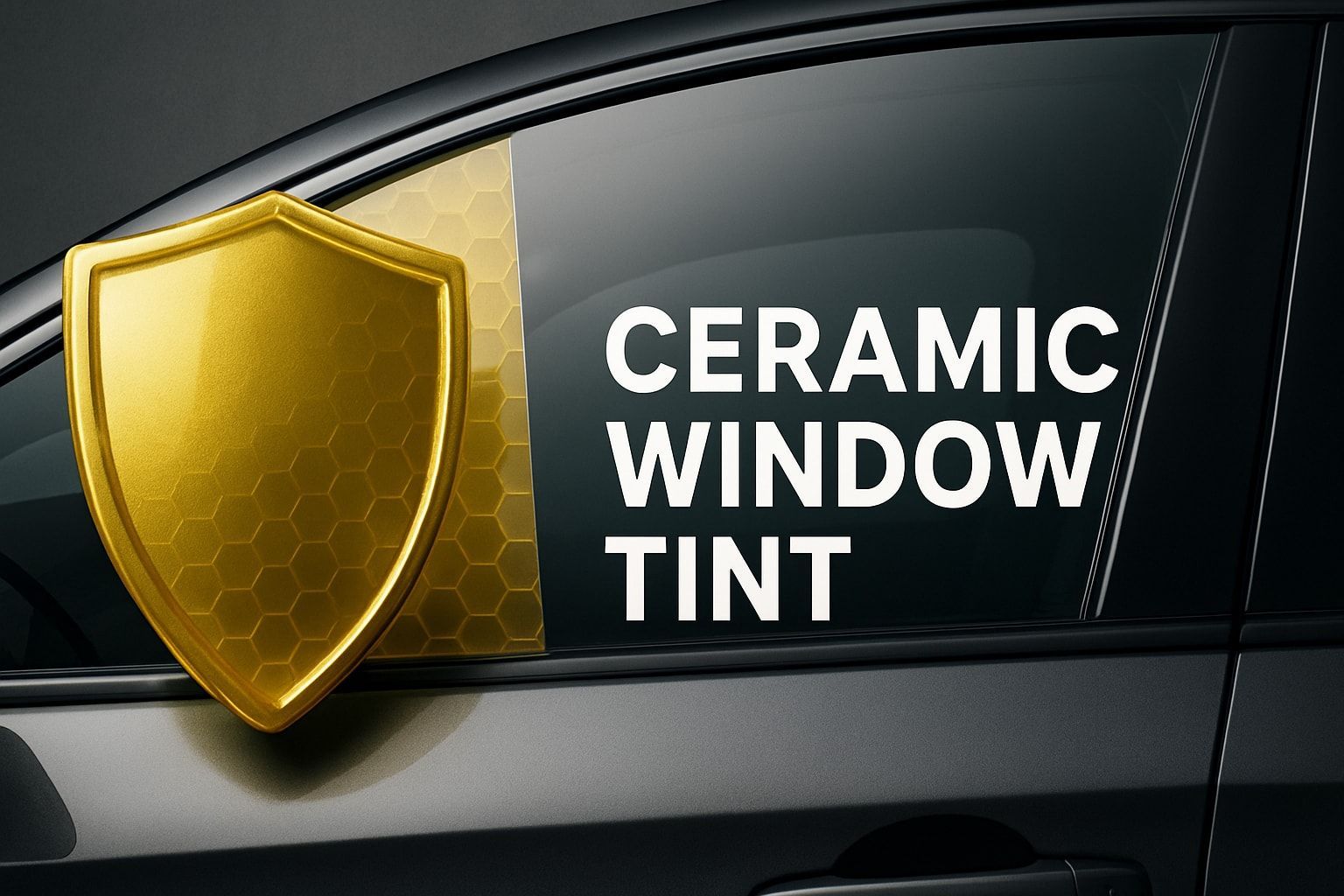
Ceramic window tint is rapidly becoming the gold standard for protecting vehicles, homes, and offices. As advanced technology reshapes window films, this guide will help you navigate key benefits, installation steps, and the latest innovations for 2026 and beyond.
Discover what makes ceramic tint unique, how it delivers superior comfort, energy savings, and UV protection, and why it is the preferred choice for modern window solutions. Ready to make an informed decision? Let’s explore everything you need to know.
Understanding Ceramic Window Tint: Composition and Technology
Ceramic window tint has quickly become a standout solution for those seeking advanced window protection and comfort. With its innovative technology and unique composition, this high-performance film offers more than just shade. But what exactly makes ceramic window tint different from traditional tints, and how does its technology set a new industry standard?
What Is Ceramic Window Tint?
Ceramic window tint is a premium film engineered using microscopic nano-ceramic particles that are non-metallic and non-conductive. Unlike dyed or metallic tints, ceramic window tint does not use dyes or metals to achieve its performance. Instead, it relies on advanced ceramics, which are highly stable under heat and light.
What truly separates ceramic window tint from other options is its unique sputtering process. In this method, nano-ceramic particles are embedded within the film, creating a dense, uniform layer. This structure is nonconductive, meaning it will not interfere with electronic devices or signals.
Another distinguishing feature is its visible light transmission (VLT) range, which typically spans from 5% to 70%. This wide range allows users to select the right balance between privacy, daylight entry, and aesthetics. The inclusion of oxide and nitrate coatings, as developed by manufacturers like Madico, enhances the film's durability and its ability to block harmful rays.
To help visualize the differences, see the comparison below:
FeatureDyed TintMetallic TintCarbon TintCeramic Window TintUV BlockingUp to 50%Up to 85%Up to 97%Up to 99%Heat RejectionLowHighModerateVery HighSignal InterferenceNoneYesNoneNoneLifespan3-5 yrs5-7 yrs5-10 yrs10+ yrsFade ResistanceLowModerateHighVery High
Ceramic window tint is proven to block up to 99% of UV rays, offering exceptional protection for both interiors and skin, according to data from Madico. The film's non-metallic composition ensures that it remains stable and does not discolor or degrade like some traditional tints.
If you want a deeper dive into the material science behind ceramic window tint, check out the X Films ceramic tint guide, which details the nano-ceramic technology and manufacturing process.
How Does Ceramic Tint Work?
At its core, ceramic window tint works by filtering both infrared and ultraviolet radiation. The nano-ceramic particles embedded within the film are engineered to absorb and reflect heat, which significantly reduces the amount of solar energy that enters through the glass. This heat rejection can keep interiors cooler by up to 60%, making a noticeable difference in both vehicles and buildings.
Because ceramic window tint is non-metallic, it will not block or interfere with cell phone, GPS, or Wi-Fi signals. This is a critical advantage for modern drivers and smart home owners who rely on uninterrupted connectivity. The film also reduces glare without sacrificing visibility, allowing for safe driving and comfortable indoor environments.
Durability is another key benefit. The nano-ceramic layers are highly resistant to scratches and fading, which means the film maintains its clarity and performance for over a decade with proper care. In real-world applications, users report that ceramic window tint not only keeps interiors cooler but also preserves the look and value of their property.
Whether installed on cars, homes, or commercial buildings, ceramic window tint stands out for its ability to combine comfort, protection, and long-term reliability.
Key Benefits of Ceramic Window Tint
Choosing ceramic window tint offers a range of advanced benefits that set it apart from traditional window films. Whether you are looking for protection, comfort, or long-term value, ceramic window tint delivers measurable improvements for vehicles, homes, and businesses.
Superior UV and Infrared Protection
Ceramic window tint is engineered to block up to 99% of harmful UV rays, making it an essential choice for anyone concerned about skin health and interior fading. The advanced nano-ceramic particles embedded in the film excel at filtering both ultraviolet and infrared radiation.
This high level of protection helps reduce the risk of skin cancer and keeps upholstery, dashboards, and flooring from deteriorating over time. In fact, ceramic window tint can lower interior temperatures by up to 60%, offering a significant improvement over standard films. For a deeper dive into how ceramic films outperform other options in heat and UV rejection, see this heat reducing window tint overview.
Enhanced Comfort and Energy Efficiency
By rejecting a large portion of the sun’s infrared energy, ceramic window tint keeps interiors cooler and more comfortable, even during peak summer months. This translates directly into less reliance on air conditioning, reducing energy bills for homes and businesses.
Stable indoor temperatures also mean HVAC systems work less, which can extend their lifespan and lower maintenance costs. These energy savings make ceramic window tint a smart investment for both residential and commercial properties. Many users report noticeable differences in comfort immediately after installation.
Signal and Device Compatibility
Unlike metallic tints, ceramic window tint is non-metallic and nonconductive. This means it will not interfere with cell phone reception, GPS navigation, radio signals, or Wi-Fi connectivity. For families with connected vehicles or smart home devices, this compatibility is a crucial benefit.
Drivers and homeowners alike appreciate that their devices function flawlessly after applying ceramic window tint. This makes it the preferred choice for anyone who relies on seamless connectivity for work or daily life.
Glare Reduction and Improved Visibility
Ceramic window tint reduces harsh sun glare, making driving and indoor activities safer and more pleasant. The film’s advanced composition allows it to cut glare without darkening the glass excessively or distorting colors.
You can expect high optical clarity, so views remain sharp and undistorted. Compared to dyed or metallic tints, ceramic window tint achieves a better balance between glare control and visibility, making it ideal for both vehicles and living spaces.
Durability and Longevity
One of the standout features of ceramic window tint is its exceptional durability. The nano-ceramic layers are highly resistant to scratches, fading, and discoloration. With proper care, ceramic window tint typically lasts over 10 years, far exceeding the lifespan of most other films.
Manufacturers frequently back their products with robust warranties, reflecting the long-term value and quality of ceramic window tint. This durability helps protect your investment and ensures lasting performance.
Privacy and Aesthetics
Ceramic window tint offers a wide range of visible light transmission (VLT) options, allowing you to choose the level of privacy that best fits your needs. The film maintains a neutral, non-reflective look, enhancing privacy without the mirrored appearance of some metallic tints.
Before-and-after comparisons reveal how ceramic window tint can elevate the style and comfort of any vehicle or building. Its sleek, understated appearance suits both modern and classic designs, making it a versatile choice for any application.
Ceramic Window Tint vs. Other Tint Types
Choosing the right window film is crucial for comfort, safety, and long-term value. Ceramic window tint is often compared to dyed, metallic, and carbon tints, each offering unique advantages and trade-offs. Understanding these differences helps you select the best option for your needs.
Dyed, Metallic, and Carbon Tints: Pros and Cons
Each tint type offers distinct benefits and limitations. Dyed tints are popular for their affordability and simple installation. However, they provide limited heat rejection and tend to fade over time. Metallic tints improve heat rejection, but their metal particles can interfere with cell, radio, and GPS signals. They also have a more reflective appearance, which some find less appealing.
Carbon tints present a middle ground, offering better heat rejection than dyed films and avoiding signal interference. Still, their performance does not match ceramic window tint, especially in extreme climates or for high-performance needs.
Ceramic window tint stands out due to its nano-ceramic composition. It blocks up to 99 percent of UV rays, delivers excellent heat rejection, and maintains signal clarity for all electronic devices. Its non-reflective, neutral appearance ensures privacy and style without drawbacks.
Comparison Table:
FeatureDyedMetallicCarbonCeramicUV ProtectionUp to 50%Up to 75%Up to 90%Up to 99%Heat RejectionLowHighModerateVery HighSignal InterferenceNoneYesNoneNoneFade ResistanceLowHighHighVery HighAppearanceMatteReflectiveMatte/NeutralNeutral/Non-reflectivePrice$$$$$$$$$$
For most drivers and property owners, ceramic window tint provides unmatched performance, durability, and peace of mind.
Cost Analysis and Value Proposition
When considering window films, upfront cost is just one factor. Dyed tints are the least expensive, often ranging from $100 to $200 for a standard vehicle. Metallic tints cost slightly more, typically $200 to $350, while carbon tints range from $250 to $450. Ceramic window tint usually commands a premium, with prices averaging $400 to $800 for automotive applications and higher for residential or commercial projects.
Despite the higher initial investment, ceramic window tint offers significant long-term value. Its durability means fewer replacements, and the superior heat rejection can lower energy bills over time. For example, some homeowners report up to a 15 percent reduction in cooling costs after installing ceramic window tint.
Factoring in maintenance and energy savings, the return on investment for ceramic window tint often outpaces cheaper alternatives. For a detailed cost breakdown and real-world price comparisons, see the Window tinting prices and value guide.
Ultimately, ceramic window tint is an investment in comfort, protection, and efficiency that pays off year after year.
Step-by-Step Guide to Ceramic Window Tint Installation
Choosing the right ceramic window tint and ensuring proper installation are key to maximizing performance, durability, and aesthetics. Whether you are tinting your car, home, or office, a well-executed process ensures optimal results and long-term satisfaction.
Pre-Installation Considerations
Before installing ceramic window tint, assess your specific needs: Is your goal heat reduction, UV protection, privacy, or aesthetics? Identify whether you are working on an automotive, residential, or commercial project, as each has unique requirements.
Next, research local regulations regarding visible light transmission (VLT). Laws vary by state and country, dictating how dark or reflective your ceramic window tint can be. Ensure your chosen tint complies with these guidelines to avoid fines or the need for removal.
Finally, select the appropriate VLT and shade for your application. Lighter tints allow more visible light, while darker shades enhance privacy and heat rejection. Consider your climate, personal preference, and legal limits when making this decision. Proper planning sets the foundation for a successful ceramic window tint installation.
Professional vs. DIY Installation
Deciding between professional installation and a DIY approach depends on your experience, tools, and budget. Professional installers bring expertise, specialized equipment, and warranty-backed results. Their experience helps ensure a flawless finish and long-lasting performance.
DIY kits are available, but installation can be challenging for beginners. Risks include air bubbles, creases, dust entrapment, and improper trimming. These issues can compromise the effectiveness and appearance of ceramic window tint.
Professional services typically cost more upfront, but the investment pays off in quality and peace of mind. For those considering a DIY route, consult Automotive window tint expert tips for guidance on selecting materials and avoiding common pitfalls. Weigh your options carefully to achieve the best outcome for your ceramic window tint project.
Installation Process: Chronological Steps
A well-executed installation process is essential for maximizing the benefits of ceramic window tint. Follow these chronological steps for optimal results:
- Surface Cleaning and Preparation: Thoroughly clean the glass surface to remove dust, oils, and debris. Any residue can cause bubbles or poor adhesion.
- Measuring and Cutting the Film: Measure each window precisely. Cut the ceramic window tint film slightly larger than the glass for final trimming.
- Applying Slip Solution and Positioning the Tint: Spray a slip solution (water with a few drops of soap) on the glass. Place the film onto the wet surface, allowing you to slide it into position.
- Squeegeeing Out Air Bubbles and Moisture: Use a squeegee to press out air bubbles and excess solution, working from the center outward for a smooth finish.
- Trimming Edges and Final Inspection: Trim the edges for a precise fit. Inspect for any imperfections and adjust as necessary.
- Curing and Drying Times: Allow the ceramic window tint to cure for 24 to 72 hours. During this period, avoid rolling down automotive windows or cleaning the glass.
Each step requires patience and attention to detail. Proper technique ensures the ceramic window tint adheres evenly and performs as intended.
Common Installation Mistakes and How to Avoid Them
Even minor mistakes during installation can affect the performance and look of ceramic window tint. Here are the most frequent issues and tips to avoid them:
- Inadequate cleaning: Any dirt or oil trapped under the film leads to bubbles and poor adhesion. Always clean thoroughly.
- Incorrect film alignment or cutting: Misaligned tint or uneven cuts create visible gaps or overlap. Use precise measurements and sharp blades.
- Wrong tools or solutions: Household cleaners can damage the film. Rely on recommended slip solutions and professional-grade tools for best results.
By understanding these pitfalls, you increase the likelihood of a successful ceramic window tint installation and minimize the need for rework.
Example: Professional installer workflow vs. DIY kit
Consider the differences between a professional installer and a DIY kit approach:
AspectProfessional InstallerDIY KitToolsCommercial-grade, specializedBasic, included in kitExperienceYears of training, certifiedVariable, self-taughtTime InvestmentFast, efficientLonger, trial and errorQualityConsistent, high-quality finishDepends on skillWarrantyOften includedRarely included
Professional installers deliver consistent results and guarantee the performance of ceramic window tint. DIY kits may be suitable for small projects or experienced hobbyists, but often lack the quality assurance and durability of a pro job.
Maintenance, Care, and Troubleshooting
Regular maintenance ensures your ceramic window tint delivers peak performance and longevity. With the right care, you can keep your tint looking sharp while protecting your investment for years.
Routine Cleaning and Care
To maintain the clarity and performance of your ceramic window tint, use a soft microfiber cloth paired with a mild, ammonia-free cleaning solution. Harsh chemicals or abrasive sponges can degrade the tint's surface and shorten its lifespan. Clean your windows every two to four weeks, depending on dust and environmental exposure.
Avoid using razor blades, hard brushes, or strong solvents, as these can scratch the tint or cause the layers to separate. For best results, spray the cleaner onto the cloth rather than directly on the window. This prevents liquid from seeping into the edges and lifting the film.
A gentle touch and regular cleaning routine will ensure your ceramic window tint stays clear and effective, preserving its UV and heat-blocking properties.
Lifespan and Warranty Considerations
Ceramic window tint is engineered for durability, with most films lasting over a decade when properly maintained. Factors such as intense UV exposure, extreme temperatures, and frequent cleaning with harsh materials can impact longevity. Always follow the manufacturer's care instructions to protect your investment.
Common signs of wear include bubbling, peeling at the edges, or noticeable discoloration. If you spot these issues early, you may be able to address them under warranty. Most reputable brands offer warranties that cover defects like fading, peeling, or delamination for up to ten years.
Keep your installation paperwork and warranty card in a safe place. Registering your ceramic window tint with the manufacturer may streamline any future claims and give you added peace of mind.
Troubleshooting Common Issues
Even with proper care, problems like bubbling, peeling, or fading can occasionally occur. Bubbling is often due to trapped air or contaminants from improper installation or inadequate cleaning before application. Peeling may result from faulty adhesive or excessive moisture exposure at the edges.
If you notice any of these issues, consult your installer or dealer promptly. Small bubbles may resolve during the curing process, which typically takes 24 to 72 hours. Persistent problems may require professional repair or a complete replacement of the ceramic window tint.
When deciding whether to repair or replace, consider the age of your tint and the extent of the damage. For example, widespread fading or peeling usually means a full replacement is the best option. Addressing these concerns quickly ensures your ceramic window tint continues to provide optimal protection and appearance.
Emerging Trends and Innovations in Ceramic Window Tint for 2026
The world of ceramic window tint is rapidly evolving, with 2026 poised to bring transformative technologies and industry shifts. From smart films that respond to light, to eco-friendly manufacturing and enhanced safety features, the future of window tinting is brighter than ever. Let's explore the trends and innovations shaping the next generation of ceramic window tint.
Smart and Adaptive Ceramic Films
Smart ceramic window tint is gaining traction, especially with the rise of electrochromic and photochromic film technology. These advanced films can automatically adjust their tint based on sunlight or user preferences, providing dynamic comfort and privacy.
Integration with vehicle infotainment and smart home systems is becoming more common. For instance, users can control tint levels via smartphone apps or voice commands. According to recent Smart Window Technologies Research, these innovations are driving demand for adaptive window solutions in both automotive and architectural sectors.
As these technologies mature, expect ceramic window tint to offer even greater personalization and energy savings.
Sustainability and Eco-Friendly Manufacturing
Sustainability is a key driver in the evolution of ceramic window tint. Manufacturers are investing in recyclable materials, water-based adhesives, and low-emission production processes to reduce environmental impact.
Energy efficiency remains central. New ceramic window tint products are designed to maximize solar heat rejection, which lowers energy consumption for cooling in homes and vehicles. This not only reduces utility bills but also helps buildings meet green certification standards.
Expect to see increased transparency about product life cycles, along with third-party eco-certifications, as the market responds to growing environmental awareness.
Enhanced Security and Safety Features
Security is another area where ceramic window tint is advancing. Next-generation films incorporate multi-layered structures that help hold glass together if shattered, offering protection against break-ins and accidents.
Many schools, businesses, and public spaces are adopting ceramic window tint for its combination of UV shielding and enhanced intrusion resistance. These safety features are often paired with privacy options, allowing organizations to protect both people and property.
With rising concerns about safety in urban environments, expect this trend to accelerate, making ceramic window tint a standard recommendation for secure facilities.
Market Growth and Consumer Demand
The global demand for ceramic window tint is projected to surge through 2026, driven by consumer priorities like energy efficiency, digital connectivity, and health protection. According to Ceramic Window Tint Market Analysis, automotive and residential sectors are leading adoption, with Asia-Pacific and North America showing the fastest growth rates.
Consumers increasingly seek tints that balance privacy, aesthetics, and long-term value. This shift is pushing manufacturers to innovate, offering broader VLT options and improved warranties.
As awareness of the benefits grows, ceramic window tint is expected to become the default choice in many markets.
Regulatory and Legal Developments
As ceramic window tint technology advances, so do regulations and standards. Governments are updating tint laws to reflect new capabilities, including higher VLT options that maintain safety while providing UV and infrared protection.
In many regions, stricter energy codes are prompting builders to specify ceramic window tint for compliance. Automotive regulations are also evolving, with some areas allowing adaptive tints that adjust automatically but still meet visibility requirements.
Staying updated on local laws is essential for consumers and installers, as non-compliance can result in fines or failed inspections.
Example: Notable 2026 product launches and industry forecasts
The year 2026 is expected to see several high-profile ceramic window tint product launches. Leading brands are unveiling films with integrated smart sensors, improved durability, and enhanced clarity.
Industry forecasts predict double-digit growth, with the smart tint segment expanding fastest. Many manufacturers are releasing lines specifically designed for electric vehicles and green buildings, reflecting market demand for sustainable, connected solutions.
A summary table below highlights key forecasted trends:
Trend2026 FocusSmart Tint AdoptionRapid growth, new launchesEco-Friendly ManufacturingIncreased transparencySecurity FeaturesStandard in public spacesMarket ExpansionStrong in APAC, NARegulatory ChangesAdaptive tint allowances
Ceramic window tint is set to redefine expectations for comfort, safety, and efficiency in the coming years.
Frequently Asked Questions About Ceramic Window Tint
Curious about ceramic window tint? Below are answers to the most common questions, helping you decide if this advanced window solution is right for your needs.
Is ceramic window tint worth the higher upfront cost?
Yes, ceramic window tint is widely considered worth the investment due to its superior performance and longevity. It blocks up to 99% of harmful UV rays and significantly reduces interior heat, leading to lower energy bills and better protection for your vehicle or property. For a detailed breakdown of heat rejection and UV blocking, see the Heat Rejection Performance of Ceramic Tints.
How does ceramic tint impact night driving visibility?
Ceramic window tint maintains high optical clarity, even at night. Unlike some darker or metallic films, ceramic tints are designed to minimize glare without reducing visibility after sunset. Choosing the correct visible light transmission (VLT) ensures safe and comfortable night driving.
Can ceramic tint be installed over existing tint?
In most cases, experts do not recommend installing ceramic window tint over existing films. Doing so may cause bubbling, poor adhesion, or visual distortion. For best results and warranty coverage, remove old tint before applying new ceramic layers.
What VLT should I choose for my climate and needs?
The ideal VLT for ceramic window tint depends on local laws, climate, and privacy preferences. Lower VLT percentages offer more privacy and heat reduction, while higher VLT allows more light in. Consult a professional installer to select a shade that meets legal requirements and personal comfort.
How long does ceramic tint take to cure fully?
Ceramic window tint typically cures within 24 to 72 hours, depending on temperature and humidity. During this period, avoid rolling down windows or cleaning the film. Proper curing ensures maximum durability and performance.
Will ceramic tint affect my car’s electronics or sensors?
No, ceramic window tint is non-metallic and will not interfere with your car’s electronics, including GPS, Wi-Fi, or radio signals. This makes it ideal for modern vehicles equipped with advanced technology and connectivity features.
After exploring the unique benefits of ceramic window tint, from unbeatable UV protection and energy savings to the latest smart film innovations, you’re now equipped to make an informed choice for your vehicle, home, or business. If you’re ready to enjoy greater comfort, security, and long-term value, why not take the next step? At Lewolf Window Tint and Film Solutions, you can count on expert installation and tailored advice to meet your needs. It’s easy to get started—simply get free quote and see how ceramic tint can make a difference for you.