Automotive Tinting Film Guide: Expert Insights for 2026
Automotive Tinting Film Guide: Expert Insights for 2026
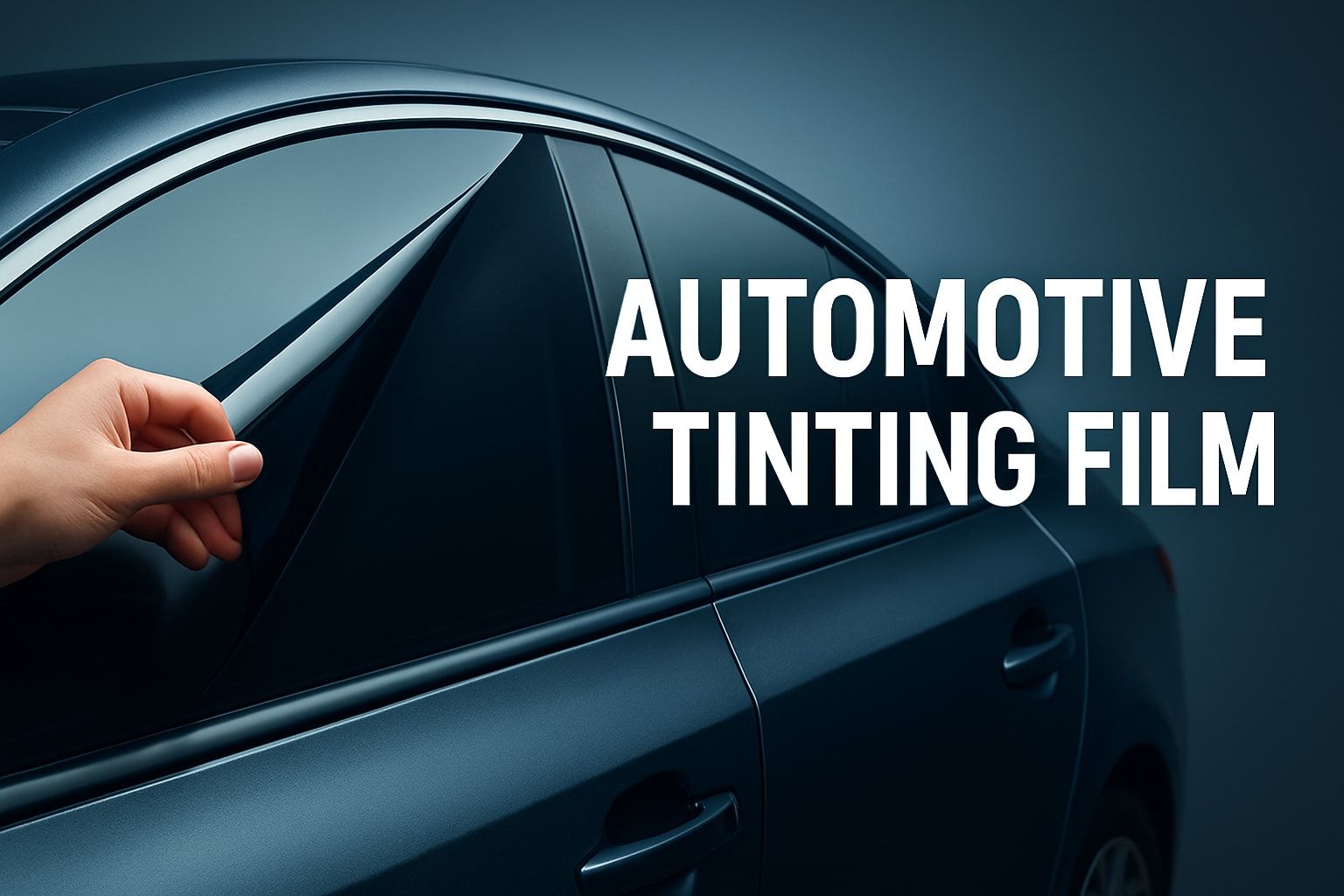
Drivers in 2026 are increasingly seeking greater comfort, privacy, and protection from harmful UV rays. The demand for advanced automotive tinting film continues to rise as new technologies and evolving regulations reshape the industry.
Choosing the right automotive tinting film not only enhances a vehicle’s aesthetics but also boosts safety and ensures legal compliance. Selecting the best option can make a noticeable difference in your daily driving experience.
In this comprehensive guide, you will find expert insights on the latest film types, benefits, legal requirements, installation tips, maintenance strategies, and emerging trends. Ready to make an informed decision? Let’s get started.
Understanding Automotive Tinting Films in 2026
Selecting the right automotive tinting film can feel overwhelming with so many choices and new technologies emerging in 2026. Understanding the differences in film types, innovations, environmental impact, and personal needs is crucial for making an informed decision.
Types of Automotive Tinting Films
The automotive tinting film market in 2026 offers a range of options tailored to different needs and budgets. The four primary types are dyed, metallized, carbon, and ceramic films. Each type varies in composition, performance, and cost.
Film TypeHeat RejectionUV ProtectionDurabilityCost (2026)DyedLowModerateFair$MetallizedModerateHighGood$$CarbonHighHighVery Good$$$CeramicHighestUp to 99%Excellent$$$$
Ceramic films, for example, outperform dyed films in recent tests, offering superior heat rejection and longevity. Metallized films provide strong UV protection but may interfere with electronics. Carbon films strike a balance between performance and price, while dyed films remain affordable but less effective long-term.
In 2026, the cost difference between basic dyed films and advanced ceramic options can be significant, but many drivers find the investment worthwhile for enhanced protection and comfort. For a comprehensive comparison and expert advice, the Automotive Window Tint Guide is an excellent resource.
Innovations and Technological Advances
Automotive tinting film technology has advanced rapidly. Smart films, such as electrochromic and photochromic tints, allow drivers to adjust window shade at the touch of a button or automatically respond to sunlight. Nanotechnology is now integrated into premium films, boosting clarity and reducing interior heat even further.
Market data shows smart tint films have seen a notable rise in adoption, with their market share growing significantly between 2024 and 2026. Luxury car brands have led the way, incorporating adaptive tinting as a standard feature on high-end models.
These innovations not only improve comfort but also enhance safety and driving experience. As technology evolves, expect even greater integration with vehicle systems, offering real-time adjustments and energy savings.
Environmental and Health Considerations
Modern automotive tinting film is designed with both health and the environment in mind. Manufacturers have reduced volatile organic compound (VOC) emissions, making installation safer for both workers and vehicle owners.
Advanced films now block up to 99% of harmful UV rays and a significant portion of infrared (IR) radiation. This protects occupants from skin damage and helps preserve interior materials, reducing fading and cracking over time.
Sustainability is also a growing focus. Many 2026 films use recyclable materials and eco-friendly manufacturing processes. Choosing a high-quality automotive tinting film can contribute to a healthier cabin environment and a reduced ecological footprint.
Factors Influencing Film Selection
Selecting the best automotive tinting film depends on several important factors. Consider your vehicle type and how you use it daily. For example, a commuter in a hot climate may prioritize heat rejection, while a family vehicle might need maximum UV protection.
Regional weather, budget, and personal aesthetic preferences also play key roles. Customization options in 2026 include a wide range of shades and finishes to match your style.
An expert tip: Always match the film’s specifications to your specific driving needs for the best results. Investing in the right automotive tinting film ensures comfort, compliance, and long-term value.
Key Benefits of Automotive Tinting Films
Selecting the right automotive tinting film brings a wide range of advantages for drivers in 2026. From increased comfort and health protection to improved security and enhanced vehicle value, today's tinting solutions go far beyond aesthetics. Let us explore the essential benefits that make automotive tinting film a smart investment for vehicle owners.
Enhanced Comfort and Heat Reduction
Modern automotive tinting film is engineered to reject significant levels of infrared and solar energy. This helps maintain a cooler cabin, even during peak summer months. Recent advancements in ceramic and nanotechnology-based films allow for up to 60% reduction in interior temperatures, creating a noticeably more comfortable driving environment.
For example, the latest Smart and Ceramic Tint Innovations provide exceptional heat rejection without compromising visibility. By reducing the strain on your air conditioning, these films can also contribute to lower fuel consumption and improved energy efficiency.
- Infrared rejection rates exceeding 95% in premium films
- Noticeable reduction in dashboard and seat temperatures
- Enhanced comfort for all passengers
UV Protection and Health Safeguards
Another critical benefit of automotive tinting film is its ability to block harmful ultraviolet rays. With up to 99% UV rejection in advanced ceramic films, occupants are protected from sun exposure that can cause skin damage and increase the risk of skin cancer.
According to the American Cancer Society, using automotive tinting film significantly reduces UV penetration, safeguarding both drivers and passengers. Additionally, UV protection extends to the vehicle's interior, preventing fading, cracking, and premature wear on seats and dashboards.
- Up to 99% UV blockage in leading products
- Reduced health risks related to prolonged sun exposure
- Preservation of interior materials and finishes
Privacy and Security Improvements
Automotive tinting film is valued for enhancing privacy and deterring theft. Tinted windows limit the visibility of passengers and belongings, making it harder for potential thieves to target valuables inside the car. Many films also feature shatter-resistant properties, holding glass fragments together in the event of a break-in or accident.
A recent case study showed a noticeable drop in smash-and-grab incidents following widespread adoption of automotive tinting film in urban areas. These security enhancements provide peace of mind for daily commuters and families alike.
- Increased privacy for occupants and valuables
- Shatter-resistance features for added safety
- Documented reduction in theft attempts
Aesthetic and Resale Value
Automotive tinting film offers a wide array of customization options, including various shades, colors, and finishes to match personal style preferences. Not only does this elevate the appearance of any vehicle, but it also has a positive impact on resale value.
Surveys indicate that a significant percentage of car buyers prefer vehicles equipped with quality automotive tinting film. This preference translates into higher resale prices and faster sales in the used car market.
- Broad selection of tints and finishes for personalization
- Enhanced exterior appeal for modern vehicles
- Increased buyer interest and resale value
By understanding these key benefits, drivers can make informed decisions about investing in automotive tinting film for both immediate and long-term gains.
Legal and Regulatory Considerations for 2026
Navigating the legal landscape of automotive tinting film in 2026 is more complex than ever. With regulations evolving rapidly, drivers must stay informed to ensure their vehicles remain compliant and safe. Understanding the latest rules is essential for anyone considering automotive tinting film, whether for privacy, comfort, or aesthetics.
Evolving Tint Laws by Region
Legal requirements for automotive tinting film vary significantly between regions and continue to shift in response to new technologies and public safety concerns. In the United States, each state has its own regulations regarding allowable Visible Light Transmission (VLT) percentages for different windows. For instance, California recently tightened its standards, requiring at least 70 percent VLT on front side windows, while the European Union has also updated its rules to harmonize safety across member countries.
These changes impact both vehicle owners and installers, making it critical to check the latest guidelines before selecting a film. Internationally, some countries have even stricter limits, especially for front windshields, reflecting concerns about visibility and enforcement. For a comprehensive overview of current rules, consult resources like the Car Window Tinting Laws 2026 guide, which details regional differences and recent updates.
Understanding these nuances ensures your automotive tinting film choice supports both your needs and local laws.
Compliance and Safety Standards
Staying compliant with safety standards is essential for anyone investing in automotive tinting film. Installers and products must meet certification requirements set by regulatory bodies, often including documentation of VLT and testing for durability. Many regions now require professional installers to provide certificates of compliance, which are checked during vehicle inspections.
Penalties for non-compliance can be significant. Fines, mandatory removal of non-conforming films, and even failed safety inspections are common consequences. Between 2024 and 2026, there has been a marked increase in compliance checks, with authorities using advanced meters to assess film legality during roadside stops.
To protect yourself, always request proof of certification from your installer and retain any compliance documentation. Choosing a reputable provider for your automotive tinting film not only ensures legal adherence but also supports long-term safety and peace of mind.
Medical Exemptions and Special Cases
Some drivers may qualify for medical exemptions, allowing them to install automotive tinting film with lower VLT than typically permitted. Eligibility for these exemptions usually depends on documented medical conditions that require enhanced UV or glare protection, such as lupus, photosensitivity disorders, or specific skin cancers.
To apply, drivers must submit formal medical documentation and complete an approval process with local authorities. Requirements can differ by state or country, so it is important to review the specific guidelines in your area. Commonly accepted conditions include albinism and severe photosensitivity, but all cases require thorough verification.
Having proper documentation is crucial. Keep medical exemption papers and approval notices in your vehicle to present during inspections. This approach ensures your use of automotive tinting film remains both legal and justified, even in special circumstances.
How to Verify Legal Tint Levels
Verifying the legality of your automotive tinting film is a straightforward yet vital step. The most accurate method involves using a light transmittance meter, which measures VLT directly on the installed window film. Professional installers typically offer this service as part of their package, ensuring your film meets all local requirements.
DIY verification is possible, but certified testing centers provide the highest reliability. These centers use calibrated equipment and can issue official compliance certificates if needed. It is wise to schedule periodic checks, especially if you move to a region with different laws.
Expert advice suggests avoiding common pitfalls, such as relying solely on manufacturer specifications or skipping professional measurement. By actively verifying your automotive tinting film, you protect yourself from legal issues and maintain confidence in your vehicle’s compliance.
Step-by-Step Guide to Automotive Tinting Film Installation
Installing automotive tinting film is a process that rewards careful planning and attention to detail. Whether you prefer a professional touch or a hands-on approach, understanding each step ensures lasting results and compliance with regulations. This guide breaks down the installation process, helping you achieve both performance and aesthetics from your automotive tinting film.
Pre-Installation Preparation
Preparation is the foundation of a flawless automotive tinting film installation. Start by inspecting all vehicle windows for cracks, chips, or existing films that may interfere with adhesion. Remove any old tint and repair window imperfections before proceeding.
Thorough cleaning is crucial. Use ammonia-free glass cleaner and a lint-free cloth to eliminate dust, grease, and residue. Pay special attention to window edges and seals, as debris can cause bubbles or peeling later.
Choosing the right automotive tinting film depends on your vehicle type, usage, and desired outcome. Consider factors such as heat rejection, UV protection, and legal Visible Light Transmission (VLT) levels. Review manufacturer specifications to match the film to your regional climate and driving habits.
- Inspect windows for damage and old film
- Clean surfaces meticulously
- Select film based on performance, style, and compliance
A meticulous start ensures your automotive tinting film performs as expected and looks professional.
Selecting a Professional Installer vs. DIY
Deciding between a professional installer and a DIY approach impacts the quality and durability of your automotive tinting film. Professionals bring experience, specialized tools, and often provide warranties, reducing the risk of costly errors.
Professional Installation:
- Certified installers ensure compliance with local laws
- Advanced tools for precise fitting and finish
- Warranty coverage for product and labor
DIY Approach:
- Cost savings on labor
- Greater customization control
- Requires patience, steady hands, and research
Compare costs and outcomes: Professional services may be pricier upfront but often yield better longevity and fewer issues. For a detailed breakdown of the process and tips, see this Installation Tips for Auto Tint guide.
Evaluate your skill level, available time, and the complexity of your vehicle’s windows before choosing. Remember, a high-quality automotive tinting film deserves expert handling for optimal results.
Installation Process Explained
The installation of automotive tinting film involves precise measurement and careful execution. Begin by measuring each window and cutting the film to size, allowing a small margin for trimming. Lay the film on a clean, flat surface and use a sharp blade for accuracy.
There are two main application methods:
- Wet Application: Spray a slip solution on the glass for easier positioning and fewer bubbles.
- Dry Application: Used for certain films or specific climates, but requires more skill to avoid creases.
Peel the film’s liner, apply it to the inside surface of the glass, and use a squeegee to remove air and water. Trim any excess film with a precision knife, focusing on clean edges along seals and window frames.
Final inspection is vital. Check for bubbles, dust particles, or misalignment. Typical installation times vary:
Vehicle TypeEstimated Time (hours)Sedan1.5 – 2SUV2 – 2.5Truck1 – 1.5
A methodical approach ensures your automotive tinting film bonds securely and delivers intended benefits.
Common Mistakes and How to Avoid Them
Even small missteps can affect the appearance and longevity of your automotive tinting film. Common errors include bubbling, peeling, and misalignment, often caused by inadequate cleaning or rushing the process.
Top mistakes to watch for:
- Trapped dust or lint leading to bubbles
- Overstretching the film, causing warping
- Poor trimming resulting in visible gaps
To avoid these issues:
- Work in a dust-free, temperature-controlled area
- Take time on each step and avoid shortcuts
- Use quality tools and follow manufacturer instructions
Expert installers recommend practicing on a small window before tackling larger surfaces. A careful technique ensures your automotive tinting film looks seamless and lasts longer.
Post-Installation Curing and Care
Proper post-installation care is crucial for the durability of your automotive tinting film. Curing times vary based on film type and weather, typically ranging from 2 days in warm, dry conditions to a week in cooler climates.
During curing:
- Avoid rolling down windows
- Keep the interior dry and free from moisture
- Do not clean the windows for at least 48 hours
Signs of a successful installation include clear, bubble-free surfaces and snug edges. If you notice persistent bubbles, peeling, or cloudiness after a week, consult your installer or review care guidelines.
Routine care involves gentle cleaning with soft cloths and ammonia-free products. Following these steps helps your automotive tinting film maintain its effectiveness and appearance over time.
Maintenance and Longevity of Automotive Tinting Films
Proper maintenance is essential for getting the best performance and longest lifespan from your automotive tinting film. By following a few key care practices, you can preserve both the appearance and the functional benefits of your tint for years.
Regular Cleaning and Upkeep
Routine cleaning keeps your automotive tinting film clear and free from debris. Use a soft microfiber cloth and a mild, ammonia-free cleaner to avoid damaging the film’s surface. Clean the windows gently, focusing on removing dust and fingerprints without scratching the film.
Manufacturers recommend cleaning the film every two weeks, especially in dusty or humid environments. Avoid using sharp tools or abrasive pads, as these can cause scratches or peeling. By maintaining a regular cleaning schedule, you safeguard the clarity and durability of your automotive tinting film for daily use.
Identifying and Addressing Damage
Over time, automotive tinting film can show signs of wear. Look out for discoloration, bubbling, peeling, or hazy patches. These issues not only affect aesthetics but can also reduce the film’s effectiveness in blocking UV rays and heat.
If you notice minor bubbling, gentle smoothing with a soft squeegee may help. For extensive peeling or discoloration, professional assessment is recommended. Most leading brands offer warranties, so check your coverage before considering repair or replacement. Promptly addressing damage helps maintain the protective qualities of your automotive tinting film.
Maximizing Film Lifespan
Environmental factors like sunlight, humidity, and temperature changes all influence the durability of automotive tinting film. Parking your vehicle in shaded or covered areas reduces UV exposure and slows aging. Regular inspections also help identify early signs of deterioration.
According to Automotive Tinting Film Market Growth & Trends, advancements in materials and manufacturing have extended the average lifespan of premium films, especially ceramic types. By following recommended care practices and choosing high-quality products, you can maximize the performance and longevity of your automotive tinting film.
When to Replace Your Tinting Film
Knowing when to replace your automotive tinting film is important for safety and compliance. Replace the film if you notice persistent bubbling, severe discoloration, or peeling that cannot be repaired. Legal regulations may also require replacement if the film’s visible light transmission falls below allowable limits.
Cost varies depending on film type and installation, so plan for future upgrades as part of regular vehicle maintenance. Experts suggest scheduling inspections every two years to ensure your automotive tinting film meets both functional and legal requirements.
Future Trends in Automotive Tinting Films
As the automotive tinting film industry advances toward 2026, emerging trends are reshaping both technology and consumer expectations. From smart films to eco-friendly materials, innovation is driving new possibilities for comfort, safety, and style. Staying informed about these developments helps vehicle owners make future-ready choices.
Smart and Adaptive Tint Technologies
The rise of smart and adaptive tinting is transforming the automotive tinting film market. Electrochromic and self-tinting films allow drivers to adjust window darkness at the touch of a button or in response to changing sunlight. Integration with connected car systems means window tint can now sync with climate control and ambient lighting for a seamless experience.
Luxury brands are early adopters, but this technology is making its way into mainstream models. According to industry experts, the 2026 Tinting Trends: New Technology, Style & Savings report highlights rapid growth in smart film adoption. These advancements offer improved heat rejection and privacy, while maintaining crystal-clear visibility. As a result, automotive tinting film is becoming more versatile, customizable, and user-friendly.
Sustainability and Eco-Friendly Developments
Sustainability is a top priority for automotive tinting film manufacturers in 2026. Companies are investing in biodegradable and recyclable film materials to minimize environmental impact. Modern production methods focus on reducing energy consumption and eliminating harmful chemicals.
Recent environmental impact studies show that newer films cut volatile organic compound emissions significantly. Many leading brands now offer eco-friendly options with the same performance as traditional films. This shift means drivers can enjoy the benefits of automotive tinting film while supporting global sustainability goals.
Key Sustainable Features:
- Recyclable materials for easy disposal
- Low-VOC adhesives and coatings
- Energy-efficient manufacturing processes
By choosing sustainable automotive tinting film, consumers contribute to a cleaner, greener future without sacrificing comfort or style.
Market Forecast and Consumer Preferences
The automotive tinting film market is poised for robust growth through 2030. Analysts project rising demand due to increased awareness of health, safety, and energy-saving benefits. As new technologies become accessible, more drivers are seeking advanced tinting solutions.
Consumer surveys reveal that the top features sought by new car buyers include UV protection, smart tinting capabilities, and eco-friendly materials. A significant portion also values customizable shades and stylish finishes. This evolving landscape pushes manufacturers to innovate and diversify their offerings, ensuring that automotive tinting film meets varied needs.
The market outlook is strong, with smart films and sustainable options leading the charge into the next decade.
Challenges and Opportunities Ahead
Despite progress, the automotive tinting film industry faces challenges. Regulatory standards are evolving quickly, and manufacturers must adapt products to meet new safety and compliance requirements. Education is also crucial, as both consumers and installers need up-to-date knowledge of available technologies and legal limits.
Opportunities abound for brands that invest in research, certification, and consumer outreach. The push for industry-wide standards will likely improve product quality and consistency. As the sector grows, automotive tinting film will continue to balance innovation with compliance, delivering greater value for drivers everywhere.
As you’ve discovered throughout this guide, choosing the right automotive tinting film in 2026 is about more than just style—it’s about optimizing comfort, protecting your vehicle’s interior, and ensuring safety and compliance with evolving regulations. Whether you’re considering cutting-edge ceramic films for maximum UV defense or exploring smart tint technologies, making an informed decision is key. If you’re ready to take the next step and want expert guidance tailored to your needs, you can easily get free quote from Lewolf Window Tint and Film Solutions. Let’s make your driving experience safer, more comfortable, and future ready.