Commercial Window Tint Guide: Benefits & Tips for 2026
Commercial Window Tint Guide: Benefits & Tips for 2026
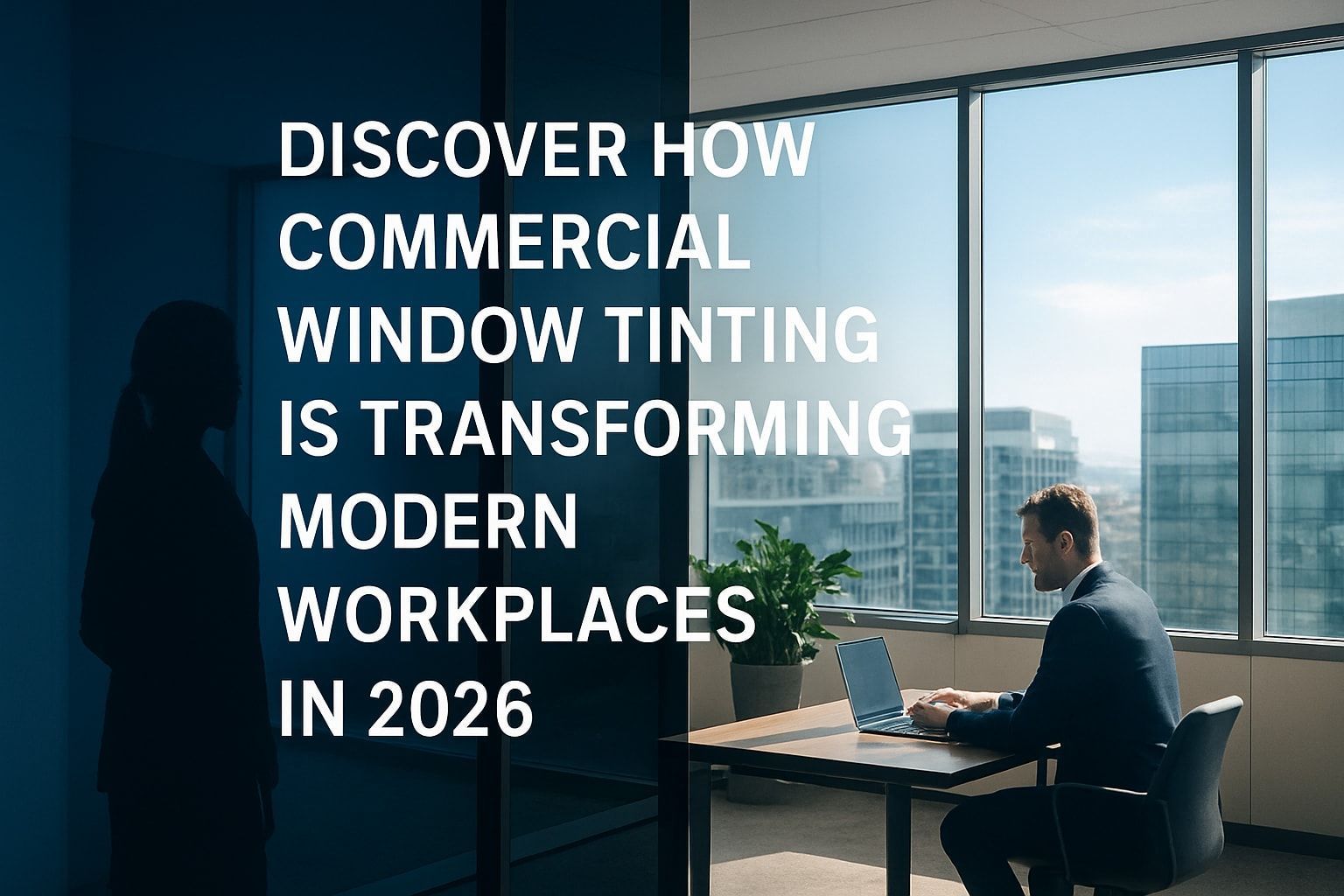
Discover how commercial window tint is revolutionizing modern workplaces in 2026. As businesses seek smarter ways to cut energy costs and enhance privacy, this solution is quickly becoming a standard for offices and commercial properties.
In this comprehensive guide, we explore the full spectrum of benefits and practical strategies for businesses, property managers, and building owners. You will uncover the science behind window tint, real-world cost savings, film options, legal updates, installation steps, and expert tips for maximizing your investment.
Stay ahead of industry trends, learn surprising statistics, and find actionable steps to make your workplace more efficient and secure.
Understanding Commercial Window Tint: What It Is & How It Works
Commercial window tint is a specialized film applied to glass surfaces in business environments. Its core function is to improve energy efficiency, privacy, and comfort for occupants. These films are manufactured using advanced materials such as polyester, metals, ceramics, or nano-coatings, layered to achieve specific performance goals. During installation, professionals carefully measure, cut, and apply the film to ensure seamless results.
Unlike residential window tint, commercial window tint is engineered for larger glass areas and higher performance standards. Commercial solutions often prioritize long-term durability, higher UV rejection, and compliance with building codes. This makes commercial window tint a strategic investment for property owners and managers.
Types of Window Films for Commercial Use
There are several types of commercial window tint films, each designed for specific needs:
- Solar control films help block heat and reduce energy costs.
- Privacy films limit external visibility without obstructing light.
- Decorative films offer aesthetic enhancement and branding opportunities.
- Safety/security films reinforce glass, making it harder to break.
- Anti-graffiti films protect surfaces from vandalism and scratches.
A key feature to consider is VLT (Visible Light Transmission), which indicates the percentage of natural light passing through the film. Lower VLT means more shading and privacy, while higher VLT allows brighter interiors.
For a deeper dive into film options and their commercial benefits, see this Guide to Office Window Films.
The Science Behind Tinting: How Films Block Heat & UV
The science behind commercial window tint involves rejecting infrared and ultraviolet rays. Films are engineered with layers that reflect or absorb up to 80% of solar heat, which helps regulate indoor temperatures. By filtering out harmful UV rays, commercial window tint significantly reduces sun damage to interiors and risks to occupant health.
Glare reduction is another important benefit. Specialized coatings diffuse intense sunlight, making it easier to work comfortably near windows. This advanced technology provides measurable improvements in energy efficiency and indoor comfort.
Common Applications in Commercial Spaces
Commercial window tint is widely used in settings like office buildings, retail storefronts, schools, hospitals, and government facilities. For example, a corporate office may install tint to lower cooling costs during summer, while a retail store might use privacy film to protect merchandise from prying eyes.
Case studies show that integrating commercial window tint with building design not only improves aesthetics but also enhances energy savings and occupant well-being. Many organizations now choose custom films to align with branding and architectural goals, making commercial window tint a versatile solution for modern business environments.
Core Benefits of Commercial Window Tint in 2026
Modern workplaces are rapidly adopting commercial window tint for a range of strategic benefits. From lowering utility costs to elevating brand identity, the advantages extend far beyond simple sun control. As we explore each benefit, you will see how this solution can transform your business environment in 2026.
Energy Efficiency & Cost Savings
One of the most compelling reasons businesses choose commercial window tint is its proven impact on energy efficiency. By blocking a significant portion of solar heat, window films help maintain stable indoor temperatures. This reduces reliance on HVAC systems and can lead to up to 30% savings on energy bills.
The investment in commercial window tint often pays for itself quickly. Average payback periods for installations range from two to five years, depending on building size and climate. For a deeper dive into the energy-saving science and heat-blocking performance, see the Heat-Reducing Window Tint Benefits. Businesses report that consistent temperature control also leads to increased comfort and productivity year-round.
Enhanced Privacy & Security
Commercial window tint is a powerful tool for increasing both privacy and security in commercial spaces. It limits outside visibility, ensuring that sensitive business operations remain shielded from prying eyes without sacrificing natural light. This is especially valuable for offices, healthcare facilities, and financial institutions.
Security films take protection a step further by strengthening glass against break-ins and accidental impacts. In the event of attempted forced entry or a natural disaster, the film holds shattered glass together, reducing injury risks and safeguarding property. These features make commercial window tint an essential part of any comprehensive security strategy.
UV Protection & Health Benefits
Exposure to ultraviolet rays is a health hazard in the workplace. Commercial window tint can block up to 99% of harmful UV radiation, providing a critical layer of protection for employees and visitors. This reduction in UV exposure lowers the risk of skin cancer and other health issues associated with prolonged sun exposure.
In addition to health benefits, commercial window tint preserves the integrity of interior furnishings, flooring, and merchandise by preventing fading and deterioration. This extends the lifespan of assets and reduces replacement costs for businesses.
Glare Reduction & Workplace Comfort
Glare from sunlight can disrupt workflow and strain employees' eyes, particularly in offices with large windows or open layouts. Commercial window tint is engineered to reduce glare on computer screens and work surfaces by up to 50%, creating a more comfortable environment for all occupants.
By minimizing glare, commercial window tint supports increased productivity and focus. Employees can work efficiently without constant adjustments to blinds or screen positions. This translates to a more pleasant and visually balanced workspace, supporting both well-being and business outcomes.
Aesthetic & Branding Opportunities
Beyond functional benefits, commercial window tint opens up creative possibilities for enhancing a building's appearance. Decorative films can be used to display company logos, brand colors, or custom graphics on glass surfaces. This not only reinforces brand identity but also adds a modern, polished look to storefronts and office interiors.
Privacy films can be combined with decorative elements to create stylish meeting rooms or collaborative spaces. Many forward-thinking businesses use commercial window tint as a design statement, attracting clients and visitors with unique visual appeal.
Sustainability & Green Building Compliance
Sustainability is a growing priority for organizations worldwide. Commercial window tint contributes to green building certifications like LEED by improving energy efficiency and reducing a building's carbon footprint. Lower energy consumption means fewer greenhouse gas emissions, helping companies meet environmental goals.
Incorporating commercial window tint demonstrates a commitment to responsible resource management. It aligns with corporate sustainability policies and supports compliance with the latest standards for eco-friendly building practices.
Choosing the Right Commercial Window Tint: Key Considerations
Selecting the optimal commercial window tint for your building involves a strategic evaluation of goals, products, and processes. A thoughtful approach ensures maximum performance, compliance, and return on investment.
Assessing Building Needs & Goals
Begin by identifying your top priorities for commercial window tint. Are you seeking energy efficiency, improved privacy, enhanced security, or a visual upgrade? Each building is unique, so consider:
- The orientation and size of your windows
- Local climate and sun exposure
- Input from facility managers and stakeholders
A clear understanding of your objectives simplifies the selection process. Consult with professionals to align the commercial window tint solution with your business needs and long-term plans.
Comparing Film Types, Brands, and Technologies
Explore the range of films on the market, from dyed and metalized to ceramic and nano-technology options. Leading brands offer varying warranties and performance features. Key comparison points include:
Film TypeUV RejectionHeat ReductionDurabilityDyedModerateLowGoodMetalizedHighHighVery GoodCeramicExcellentExcellentExcellentNano-techSuperiorSuperiorOutstanding
Performance ratings for commercial window tint depend on the technology and manufacturer. For an in-depth look at the latest industry options and trends, see the 9 Essential Window Tint Choices for 2026.
Legal & Regulatory Compliance in 2026
Adhering to current regulations is critical when installing commercial window tint. Laws may dictate the allowable Visible Light Transmission (VLT) levels, film reflectivity, and application methods. In 2026, new standards may affect:
- Tint percentages for commercial properties
- Specific requirements for safety or security films
- Regional codes and permitting procedures
Check with local authorities or building code officials before finalizing any commercial window tint project to avoid costly rework or penalties.
Budgeting & Calculating ROI
Budget planning for commercial window tint includes the cost of film type, installation complexity, and total glass area. Calculate the expected payback period by comparing:
- Upfront material and labor costs
- Projected annual energy savings
- Maintenance requirements
For example, ceramic films may cost more initially but offer superior longevity and energy savings. Analyze which commercial window tint provides the best balance of upfront investment and long-term benefits for your property.
Working with Professional Installers
The final step is choosing a certified installer for your commercial window tint. Look for:
- Proof of insurance and proper licensing
- References and a strong project portfolio
- Transparent warranties and service policies
Ask detailed questions about their installation process and experience with similar buildings. Partnering with skilled professionals guarantees that your commercial window tint is applied correctly and delivers the promised performance.
The Installation Process: Step-by-Step Guide for Businesses
Installing commercial window tint in a business setting is a precise process that requires careful planning, skilled execution, and ongoing attention to detail. Each stage, from the initial assessment to post-installation care, plays a crucial role in ensuring optimal performance and longevity. Here is a step-by-step guide designed specifically for businesses looking to maximize the benefits of commercial window tint.
Pre-Installation Assessment & Consultation
Every successful commercial window tint project begins with a thorough pre-installation assessment. An experienced consultant will visit your site, measure windows, and evaluate building orientation. This evaluation helps pinpoint specific needs, such as energy efficiency, privacy, or enhanced security.
During the consultation, the provider will discuss your goals and recommend the best commercial window tint solutions for your business environment. Stakeholder input is gathered to ensure all requirements are addressed. Scheduling and clear timelines are established, setting the foundation for a smooth installation process.
Preparing the Workspace
Before installing commercial window tint, meticulous preparation of the workspace is essential. Glass surfaces are cleaned to remove dust, debris, and residue, ensuring optimal film adhesion. Installers use protective coverings to shield furnishings, flooring, and sensitive equipment from accidental splashes or scratches.
Communication with staff is key. Inform employees about the installation schedule to minimize disruptions and maintain productivity. Effective preparation not only speeds up the process but also helps achieve the best outcome for commercial window tint projects.
Film Application & Quality Assurance
Applying commercial window tint involves several precise steps. Technicians carefully cut the film to fit each window, align it, and use specialized tools to apply and smooth the film, removing air bubbles for a flawless finish. For businesses seeking added protection, security films can be installed during this stage, offering enhanced durability and safety. Learn more about Security Film for Commercial Windows and how it can add value to your tinting project.
After installation, the team inspects each window to ensure the film adheres perfectly and meets manufacturer specifications. Quality assurance at this stage guarantees that the commercial window tint performs as expected.
Post-Installation Care & Maintenance
Proper care extends the life and effectiveness of commercial window tint. After installation, wait the recommended period before cleaning the windows—usually a few days—so the adhesive cures completely. Use soft cloths and non-abrasive cleaners to maintain clarity and avoid scratching the film.
Regular maintenance is simple but vital. Periodic inspections help detect early signs of wear, allowing for prompt corrective action. Following these care guidelines ensures your commercial window tint remains in top condition for years.
Troubleshooting Common Issues
Even with expert installation, issues such as bubbling, peeling, or discoloration can occasionally arise with commercial window tint. Address minor concerns quickly—such as smoothing out small bubbles—using approved methods. For persistent problems, warranty coverage may apply, and service calls can resolve defects efficiently.
If glass damage or complex issues occur, consult a professional to prevent further complications. Timely troubleshooting not only preserves the integrity of your commercial window tint but also maintains the appearance and performance of your workspace.
Advanced Tips for Maximizing Window Tint Performance
To achieve the best results from your commercial window tint, it is essential to go beyond basic installation. By applying advanced strategies, businesses can unlock higher performance, longer lifespan, and greater value from their investment. Below, explore five expert tips that will help you maximize the benefits of commercial window tint in any workplace environment.
Combining Films for Multi-Layer Protection
Businesses often require more than just one benefit from commercial window tint solutions. By combining different types of films, such as solar control, privacy, and security layers, you can achieve multi-layer protection tailored to your needs.
For example, retail stores may need both privacy for sensitive inventory and added security against break-ins. Stacking a solar film with a security film offers both energy savings and enhanced protection. Decorative films can also be layered for branding. Always consult a professional to ensure compatibility and proper installation, as not all films are designed to work together.
Seasonal Maintenance & Inspections
To keep your commercial window tint performing at its best, regular maintenance and inspections are essential. Create a seasonal checklist that includes cleaning the film with non-abrasive products, inspecting for signs of wear, and checking for bubbling or peeling.
Schedule professional inspections at least once a year. Early detection of issues helps prevent costly repairs and extends the lifespan of your window films. Address any minor problems promptly to avoid more significant damage. Proper maintenance keeps your investment efficient and ensures continued benefits throughout every season.
Upgrading to Smart & Adaptive Window Films
The future of commercial window tint lies in smart and adaptive technologies. Electrochromic and switchable films allow for on-demand privacy and dynamic light control. These advanced films can transition from clear to tinted with the flip of a switch, providing flexibility for meeting rooms, offices, or storefronts.
Recent innovations in low-emissivity materials, as highlighted in this longwave-transparent low-emissivity material study, are increasing energy efficiency and comfort in commercial spaces. Upgrading to these smart solutions can set your business apart while supporting sustainability and occupant well-being.
Employee & Occupant Education
Educating your team about commercial window tint is critical for long-term performance. Train staff on proper cleaning methods, such as avoiding harsh chemicals and abrasive materials. Communicate the health and productivity benefits of window tint to all building occupants.
Develop clear policies for window film care and usage. Post guidelines in break rooms or common areas, and encourage employees to report any issues they notice. Well-informed occupants help maintain the integrity of your investment and ensure the benefits are fully realized.
Measuring Results & Continuous Improvement
To maximize the return on your commercial window tint, track key performance indicators after installation. Monitor energy bills, indoor comfort levels, and employee feedback. Compare pre- and post-installation data to gauge improvements in glare reduction and cost savings.
According to energy savings with commercial window tinting, many businesses see substantial ROI within two years. Use these insights to optimize future projects and benchmark your results against industry standards. Continuous improvement ensures you stay ahead and get the most from your investment.
Frequently Asked Questions About Commercial Window Tinting
Curious about commercial window tint? Below, we answer the most common questions building owners and managers have about commercial window tint, from durability and maintenance to lighting impact and installation options.
How Long Does Commercial Window Tint Last?
The lifespan of commercial window tint depends on the type of film, installation quality, and environmental conditions. Most high-grade films last between 10 and 20 years. Ceramic and nano-technology films generally offer the longest durability, while dyed films may have a shorter life.
Proper maintenance, such as gentle cleaning and avoiding harsh chemicals, helps extend the life of your commercial window tint. Climate also plays a role—tints in harsh sunlight or extreme weather may age faster. Always consult your installer for warranty details and care instructions.
Is Window Tint Removable or Replaceable?
Yes, commercial window tint can be removed or replaced when necessary. Removal typically involves specialized tools and techniques to avoid damaging the glass. Professional installers can safely strip old films and prepare the surface for a new application.
Reasons for replacement include aging, bubbling, discoloration, or a change in building needs. When replacing commercial window tint, be sure to check if removal impacts your window warranty or the integrity of specialty glass. Always follow manufacturer guidelines for best results.
Will Window Tint Affect Indoor Lighting or Plant Growth?
Modern commercial window tint is designed to balance natural light with energy efficiency. Most films allow ample daylight to enter while reducing glare and blocking harmful UV rays. Visible light transmission (VLT) percentages indicate how much light passes through—higher VLT means more natural light.
Concerns about plant health are common. Studies show that most indoor plants thrive under commercial window tint, as films filter harmful rays but do not eliminate essential wavelengths. For more insights on energy savings and eco-friendly benefits, see the environmental impact of commercial window tinting.
Can Window Tint Be Installed on All Types of Commercial Windows?
Commercial window tint is compatible with most modern glass types, including single-pane, double-pane, and tempered glass. However, some specialty or historic windows may require specific film types or installation techniques. Irregular shapes, curved glass, or textured surfaces might present additional challenges.
Consult a certified installer to evaluate your building’s windows before selecting a commercial window tint. They will recommend the right product and method to ensure both performance and long-term safety for your unique application.
After exploring how the right window tint can boost energy efficiency, enhance security, and elevate your building’s comfort, you might be wondering what the next step is for your business. At Lewolf Window Tint and Film Solutions, we’re committed to helping you protect your property while creating a safer, more productive environment for everyone inside. Whether you’re aiming to reduce glare in your office, shield against UV damage, or upgrade your security with advanced ballistic films, our team is ready to guide you every step of the way. If you’re ready to see how these benefits can work for you, Get free quote today.