Security Film for Home Windows: The Expert Guide 2026
Security Film for Home Windows: The Expert Guide 2026
Imagine if your home’s windows could do more than let in light—they could actively protect your family from break-ins, severe weather, and everyday accidents. As the most vulnerable points in any house, windows deserve extra attention, especially with the evolving risks in 2026.
This expert guide will walk you through everything you need to know about security film for home windows. You will discover how this technology works, the different types available, and how to choose and install the right film for your needs.
Explore the benefits, installation process, costs, and maintenance tips, all backed by the latest industry insights and professional advice. Real risks meet real solutions, giving you the knowledge to make your windows a powerful line of defense.
Understanding Security Film for Home Windows
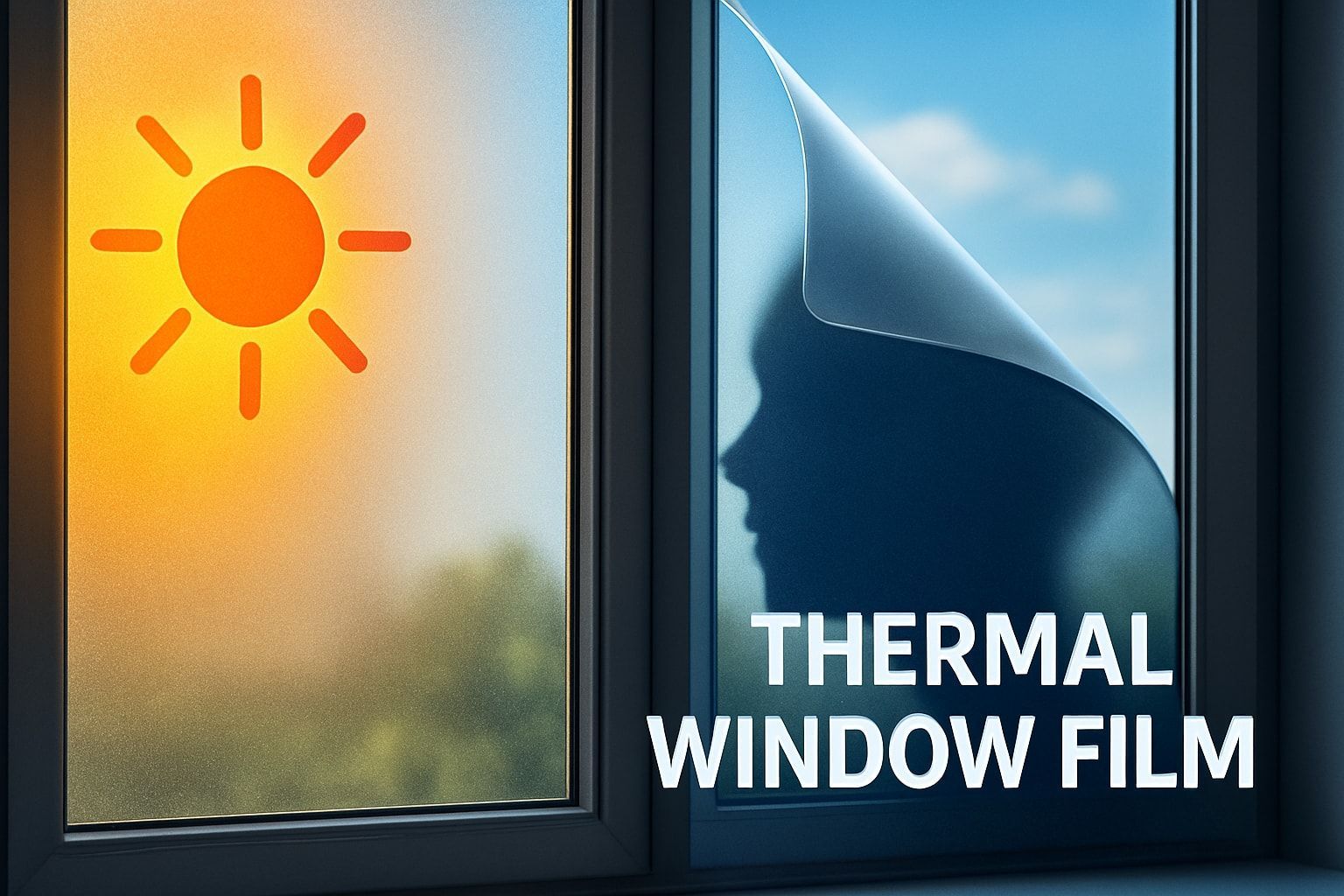
Security film for home windows is a specialized, multi-layered polyester product applied directly to glass surfaces. Unlike standard window tints or decorative films, security film is engineered for strength and impact resistance. It typically consists of clear or tinted polyester layers bonded with robust adhesives, ranging from 4 mil to over 15 mil in thickness. This film remains visually discreet, so your windows retain their natural appearance while gaining a powerful protective upgrade. For example, during a break-in attempt, untreated glass shatters easily, but glass protected by security film for home windows holds together, significantly slowing down intruders.
What is Security Film?
Security film for home windows is crafted from layers of tough polyester, joined by strong adhesives. This composition makes it far more robust than decorative or privacy films, which focus on appearance rather than protection. Security film comes in various thicknesses, directly correlating with its strength and impact resistance. Despite its strength, the film is designed to be optically clear, so it does not disrupt your view or the look of your home. In break-in scenarios, glass protected by security film for home windows remains intact, while untreated glass shatters, providing a clear visual and functional advantage. For a deeper dive into how these films work and their unique features, see this Security Film for Windows Overview.
How Security Film Works
Security film for home windows functions by holding shattered glass together upon impact. This unique mechanism not only delays forced entry by intruders, but also protects against vandalism and severe weather. The film forms a barrier that absorbs and distributes energy, making it harder for glass to break apart. In the event of accidents, the film helps minimize the risk of glass-related injuries by keeping shards attached to the adhesive layer. Studies have shown that installing security film for home windows can reduce glass-related injuries by up to 95 percent, providing both safety and peace of mind for families.
Types of Security Films Available
There are several types of security film for home windows, each designed for different needs. Single-layer films offer basic protection, while multi-layer options provide enhanced resistance against impacts and forced entry. Some films are ballistic-resistant, while others add anti-graffiti or UV-blocking features. Thickness ratings typically range from 4 mil for standard protection to 15 mil and above for high-risk environments. For example, a standard 8 mil film may be ideal for most residential windows, while thicker, multi-layered varieties are suitable for homes in hurricane-prone areas or for those seeking maximum security.
Benefits of Security Film for Homeowners
Installing security film for home windows offers a range of benefits. It significantly enhances your home's security, creating a strong deterrent against break-ins and burglaries. The film also provides storm and accident protection, helping to shield your family from flying debris and broken glass. UV protection is another advantage, as these films can block up to 99 percent of harmful rays, reducing fading and saving energy. In some regions, homeowners may even qualify for insurance premium reductions. Real-world data shows that homes with security film for home windows experience up to a 60 percent reduction in successful burglary attempts.
Common Myths and Misconceptions
Many people believe security film for home windows is the same as bulletproof glass, but this is not accurate. While some films offer ballistic resistance, most are designed to delay intrusion, not stop bullets. Concerns about visibility and aesthetics are largely unfounded, as modern films are nearly invisible and do not alter your home's appearance. Another myth is that installing security film voids window warranties; in reality, most reputable brands work within manufacturer guidelines. It is important to separate genuine performance data from marketing claims and understand what security film for home windows can realistically achieve.
Key Features and Innovations in 2026 Security Films
Security film for home windows has evolved rapidly, offering homeowners more advanced protection and versatility than ever before. In 2026, the latest products combine strength, clarity, and smart features, meeting the rising demand for safety and efficiency. Let us explore the most important features and trends shaping the industry.
Latest Advances in Security Film Technology
The security film for home windows industry in 2026 is defined by cutting-edge technology. Nano-engineered films now deliver exceptional strength while remaining nearly invisible. Manufacturers have introduced self-healing coatings that repair minor scratches automatically, maintaining a pristine appearance for years.
Smart films are also gaining traction. These can integrate with home automation systems, offering features like adjustable tint or real-time breakage alerts. New product launches showcase multi-functional films that combine security, privacy, and UV protection in a single layer.
Recent innovations ensure that security film for home windows is not just tougher, but also smarter and more adaptable to daily living.
Performance Ratings and Certifications
Understanding the reliability of security film for home windows relies on standardized performance ratings. In 2026, ANSI, ASTM, and UL certifications remain the benchmarks for forced entry, impact, and blast resistance. Homeowners should always check product labels for these standards, which provide assurance of tested protection.
Look for films with clear impact and tear resistance ratings. Certification documents also list the conditions under which the film has been tested, which is crucial for matching the right product to your home's needs. For a deeper dive into the technical criteria and what to look for, review the EWFA Technical Paper on Safety Films.
Choosing certified security film for home windows ensures compliance with both safety regulations and insurance requirements.
Energy Efficiency and UV Protection
Security film for home windows now delivers benefits beyond safety. Dual-purpose films offer robust security while blocking up to 99 percent of harmful UV rays. These films help prevent fading of furnishings and reduce interior heat buildup, which can translate to energy savings of up to 30 percent for homeowners.
Case studies from 2026 highlight homes that have seen measurable drops in utility bills after installing security film for home windows. The dual action of these films makes them a logical upgrade for anyone seeking both protection and efficiency.
Selecting a security film for home windows with high UV rejection and energy-saving properties provides year-round comfort and cost control.
Aesthetic Options and Customization
Today’s security film for home windows is designed to blend seamlessly with any architectural style. Homeowners can choose from clear, tinted, or frosted finishes, as well as decorative patterns that add privacy without sacrificing security.
Custom sizing ensures a perfect fit for every window, including arches and specialty shapes. Some films even mimic etched or sandblasted glass, offering both style and safety. With so many options, it is easy to match security film for home windows to your unique design vision.
This flexibility allows you to protect your home without compromising its curb appeal or natural light.
Environmental and Health Considerations
Modern security film for home windows prioritizes health and sustainability. Leading brands use non-toxic adhesives and low-VOC materials, ensuring indoor air quality is not compromised. Films are engineered for longevity, often lasting 10 to 20 years even in harsh climates.
Many security film for home windows products are now recyclable, reducing their environmental impact at end of life. Manufacturers also address concerns about off-gassing, making sure films meet strict emissions standards.
Choosing eco-friendly security film for home windows supports a healthier home and a greener future.
Choosing the Right Security Film for Your Home
Selecting the best security film for home windows requires a thoughtful approach. Not all homes have the same vulnerabilities, and the right solution depends on your property, risk factors, and lifestyle. Let us break down how to navigate your choices for optimal protection and peace of mind.
Assessing Your Security Needs
Begin by evaluating your home's unique security risks. Are you in an area with high break-in rates, or is severe weather a concern? Review police reports and local crime maps to understand potential threats. Walk through your home and identify windows that are easily accessible, especially on the ground floor or near concealed areas.
Prioritize these vulnerable points for security film for home windows. Consider any previous incidents or near misses. A comprehensive risk assessment ensures you invest in the right level of protection for your situation.
Comparing Security Film Brands and Products
Once you have assessed your needs, compare leading brands and product lines. Look for manufacturers that specialize in security film for home windows and offer robust warranties, proven performance, and strong customer support. Review datasheets for each product, focusing on impact resistance, UV blocking, and lifespan.
For a deeper dive into features and homeowner experiences, the House Window Film Guide provides expert tips and detailed comparisons. Taking time to research brands will help you make a confident, informed choice.
Thickness, Strength, and Performance Considerations
The thickness of security film for home windows directly impacts its protective qualities. Films range from 4 mils (basic protection) to 15 mils or more (high security). Thicker films resist impacts better but may require professional installation due to their rigidity.
Always check for certifications and real-world testing. Look for impact, tear, and puncture resistance data, not just marketing claims. Remember, laboratory results are valuable, but ask about performance in homes similar to yours for the most relevant insights.
Cost Factors and Budgeting
Budgeting for security film for home windows involves more than just the price per square foot. In 2026, expect costs to range from $7 to $15 per square foot, depending on thickness and features. Professional installation usually adds to the total but ensures better results.
Factor in long-term savings from lower energy bills, reduced repair costs, and possible insurance discounts. Compare quotes from several providers, and ask about package deals for whole-home installations.
Professional Installation vs. DIY
Deciding between DIY and professional installation for security film for home windows depends on your skill level and project scope. DIY kits are available and may suit small, standard windows. However, achieving flawless results requires precise measurement, careful cleaning, and steady hands.
Professional installers bring expertise, specialized tools, and warranty-backed work. They ensure optimal adhesion and durability. For large projects or complex window shapes, hiring a certified installer is often worth the investment.
Lewolf Window Tint and Film Solutions: Expert Installation Services
Lewolf is a trusted name in security film for home windows, serving homeowners nationwide with expert installation. Their team uses advanced products, including ballistic-resistant and UV-blocking films, to address a wide range of needs.
Choosing Lewolf means you benefit from free estimates, clear warranties, and a track record of positive customer feedback. Their professional approach ensures your windows receive the highest level of protection, offering peace of mind and long-term property value.
Step-by-Step Guide: Installing Security Film on Home Windows
Installing security film for home windows is a practical way to boost your home's safety and resilience. With the right approach, you can achieve professional-grade results and long-term protection. Follow this step-by-step guide for a smooth, effective installation.
Step 1: Preparing Your Windows
Start by thoroughly cleaning your windows. Dirt, dust, and residue can prevent security film for home windows from adhering properly. Use a glass-safe cleaner and a lint-free cloth to remove all contaminants.
Inspect the glass for any chips, cracks, or existing adhesives. Damaged glass can compromise both the film and your window's structural integrity. Measure each window precisely, including the visible glass area and the frame, to ensure a perfect fit.
Careful preparation is essential. Skipping these steps may result in poor adhesion or visible imperfections. Taking your time here sets the foundation for lasting security.
Step 2: Selecting and Cutting the Film
Choose the appropriate type and thickness of security film for home windows based on your needs. Thicker films offer greater impact resistance, while specialty variants provide added features like UV protection or privacy. Refer to resources such as the Impact Resistant Film Guide for detailed comparisons.
Once selected, unroll the film on a clean, flat surface. Use a sharp utility knife and a straight edge to cut each piece to your window's measurements. Handle the film carefully to avoid dust or fingerprints on the adhesive side.
Proper cutting ensures minimal waste and a snug, professional fit on your windows.
Step 3: Applying the Film
Begin by spraying a slip solution—a mixture of water and a few drops of baby shampoo—onto the glass. This allows you to reposition the security film for home windows during application. Peel the backing from the film and place it adhesive-side down onto the wet glass.
Using a squeegee, press from the center outward to remove air bubbles and excess solution. Work methodically to achieve smooth, even coverage. Pay special attention to the edges to prevent future lifting.
Alignment is key. Take your time to ensure the film sits straight and covers the full glass area.
Step 4: Curing and Inspecting the Installation
After application, allow the security film for home windows to cure. Curing times vary by climate and film type, typically ranging from a few days to several weeks. Avoid touching or cleaning the film during this period.
Inspect the finished installation for bubbles, creases, or edge lifting. Small bubbles may dissipate as the film cures, but larger imperfections may require gentle smoothing or, in rare cases, reapplication.
A careful inspection helps guarantee the film performs as intended and looks great.
Step 5: Post-Installation Care and Maintenance
Once cured, maintain your security film for home windows with gentle cleaning. Use a soft cloth or sponge and a mild, ammonia-free cleaner. Avoid abrasive pads or harsh chemicals that could scratch the surface.
Regularly check the film for signs of peeling, bubbling, or discoloration. Prompt attention to minor issues can extend the film's lifespan and preserve your home's security.
Good maintenance routines ensure long-lasting clarity and protection.
Common Installation Mistakes to Avoid
Many homeowners encounter avoidable problems when installing security film for home windows. Here are some frequent pitfalls:
- Inadequate cleaning before application
- Misalignment or improper trimming
- Overstretching thin films, leading to tears
- Failing to remove all air bubbles
- Using the wrong tools or solutions
Awareness of these mistakes helps you achieve a smooth, effective installation.
When to Hire a Professional Installer
While many homeowners successfully install security film for home windows themselves, complex window shapes, multi-story installations, or large projects may require expert help. Certified installers ensure compliance with warranty terms and optimize film performance.
Professional installation can save time, reduce waste, and provide peace of mind. If you have doubts about your skills, consider reaching out to a reputable installer for a flawless result.
Maintenance, Durability, and Long-Term Performance
Ensuring the long-term value of security film for home windows means understanding its lifespan, care requirements, and the factors that can affect its performance. By staying informed and proactive, homeowners can maximize safety, clarity, and efficiency for years to come.
Lifespan and Warranty of Security Films
The typical lifespan of security film for home windows ranges from 10 to 20 years, depending on film quality and exposure to sunlight. Most manufacturers offer warranties that cover discoloration, bubbling, and adhesive failure. In 2026, warranties often extend up to 15 years for premium products.
Signs that your security film for home windows may need replacement include visible peeling, persistent bubbling, or a noticeable drop in clarity. Regular inspections help catch issues early, ensuring your home's defenses remain strong. Always check warranty details, as coverage can vary between brands and installers.
Cleaning and Routine Maintenance
Proper care is essential for maintaining the performance and appearance of security film for home windows. Use soft microfiber cloths and ammonia-free cleaning solutions to avoid scratching or damaging the film. Clean the surface gently, especially along the edges where the film meets the frame.
Routine maintenance includes inspecting for dirt buildup or small abrasions. Avoid using sharp tools or abrasive pads. By following these basic cleaning tips, you help ensure that security film for home windows remains clear and effective, preserving its protective qualities for the long term.
Handling Damage and Repairs
Even the most robust security film for home windows can sustain damage from severe impacts or accidents. Look for cracks, edge lifting, or bubbling, which may indicate a need for repair or replacement. Minor scratches can sometimes be buffed out, but deeper damage usually requires professional attention.
Recent research, such as the Effect of Shatterproof Polymer Film on Glass Strength, highlights how modern films enhance glass resilience against breakage. If you notice compromised areas, act quickly to maintain full protection. DIY patches are possible for small issues, but certified technicians ensure optimal results.
Impact of Weather and Environmental Factors
Security film for home windows is engineered to withstand harsh conditions, including intense sunlight, humidity, and severe storms. In hot climates, UV exposure can gradually degrade adhesives, while freezing temperatures may cause brittleness over time. Films rated for hurricane zones offer added durability.
Data from various climates shows that high-quality security film for home windows can last up to two decades with proper care. If you live in areas prone to extreme weather, choose films specifically tested for those conditions to maximize longevity and safety.
Assessing Ongoing Security Needs
Regularly evaluating your home’s protection is key to ensuring security film for home windows continues to meet your needs. Conduct window inspections at least once a year, looking for new vulnerabilities or signs of wear. As technology advances, consider upgrading to films with enhanced features or certifications.
Integrating security film for home windows with other security measures, such as smart alarms or reinforced locks, creates a comprehensive safety strategy. Staying proactive helps you adapt to changing risks and maintain peace of mind.
Cost-Benefit Analysis Over Time
Investing in security film for home windows provides long-term savings by reducing break-in risks, potential injury costs, and even energy bills. Many homeowners report lower insurance premiums after installation. The initial expense is often offset by years of protection and reduced maintenance.
According to the Window Film Market Report 2024, the popularity of these products continues to rise, reflecting their value and reliability. Real-world case studies highlight significant returns on investment through increased home security and comfort.
Frequently Asked Questions About Security Film for Home Windows
Homeowners often have pressing questions about security film for home windows. Below, we address the most common concerns to help you make informed decisions and maximize the benefits of modern window protection.
Does Security Film Make Windows Bulletproof?
A common question is whether security film for home windows can make glass bulletproof. The answer is no, although high-performance films can provide "bullet-resistant" properties, true bulletproofing requires specialized laminated glass systems. Security film is engineered to hold shattered glass together under force, significantly improving safety and resistance to break-ins. According to the Campus Safety Study Review, most security failures occur at glass openings, making film a valuable deterrent. Always review product certifications for realistic performance expectations.
Will Security Film Affect My Window’s Appearance?
Many people worry that security film for home windows will make their glass look cloudy or dark. Modern films are designed for optical clarity, remaining nearly invisible once installed. Homeowners can choose from clear, tinted, or decorative options to match their preferences. The film does not substantially reduce natural light, and some types even improve window aesthetics with subtle shading or patterns. Before installation, request samples to see how the chosen film will look on your windows in different lighting conditions.
Can Security Film Be Removed or Replaced Easily?
Another frequent concern is whether security film for home windows can be removed or replaced without damaging the glass. Generally, removal is possible using specialized tools and solvents, but it can take time and requires care to avoid scratching. If you wish to upgrade, professionals can safely strip old film and install new technology. Used film is often recyclable, and reputable installers will handle disposal responsibly. Always follow manufacturer guidelines to protect your window’s surface during the process.
Is Security Film Compatible with All Window Types?
Security film for home windows is versatile and compatible with most single-pane, double-pane, and tempered glass installations. However, certain low-emissivity (Low-E) coatings or specialty glass may require specific film types. It is important to check manufacturer recommendations to ensure compatibility and prevent issues like thermal stress cracks. Consult with a certified installer for unique window shapes or advanced glazing systems, as they can advise on the best solution for your property.
How Does Security Film Impact Home Insurance?
Many insurers recognize the added protection provided by security film for home windows and may offer premium discounts for professionally installed systems. To qualify, you often need documentation and proof of certified installation. Policies can vary, so check with your provider to understand specific requirements and benefits. For an overview of available options and to learn more about securing your home, visit Safety and Security Window Solutions for detailed information on insurance and protection.
What Maintenance is Required for Optimal Performance?
Maintaining security film for home windows is straightforward. Clean with a soft cloth and mild, non-ammonia-based solutions to preserve clarity and adhesion. Avoid abrasive tools or harsh chemicals, as these can scratch or degrade the film. Inspect your windows regularly for signs of peeling, bubbling, or discoloration, which may indicate the need for professional attention. Routine care not only extends the film’s lifespan but also ensures continued safety and performance over the years.
Now that you understand how security film can transform your home’s windows from a vulnerable spot into a reliable shield, it’s the perfect time to take the next step. You deserve the peace of mind that comes with knowing your loved ones and property are protected—especially with the advancements in film technology and installation available today. If you’re ready to make your home safer, let trusted experts guide you through every stage, from choosing the right film to professional installation. Start your journey to a more secure home and Get Protected Today.