Professional Window Tinter Guide: Expert Insights for 2026
Professional Window Tinter Guide: Expert Insights for 2026
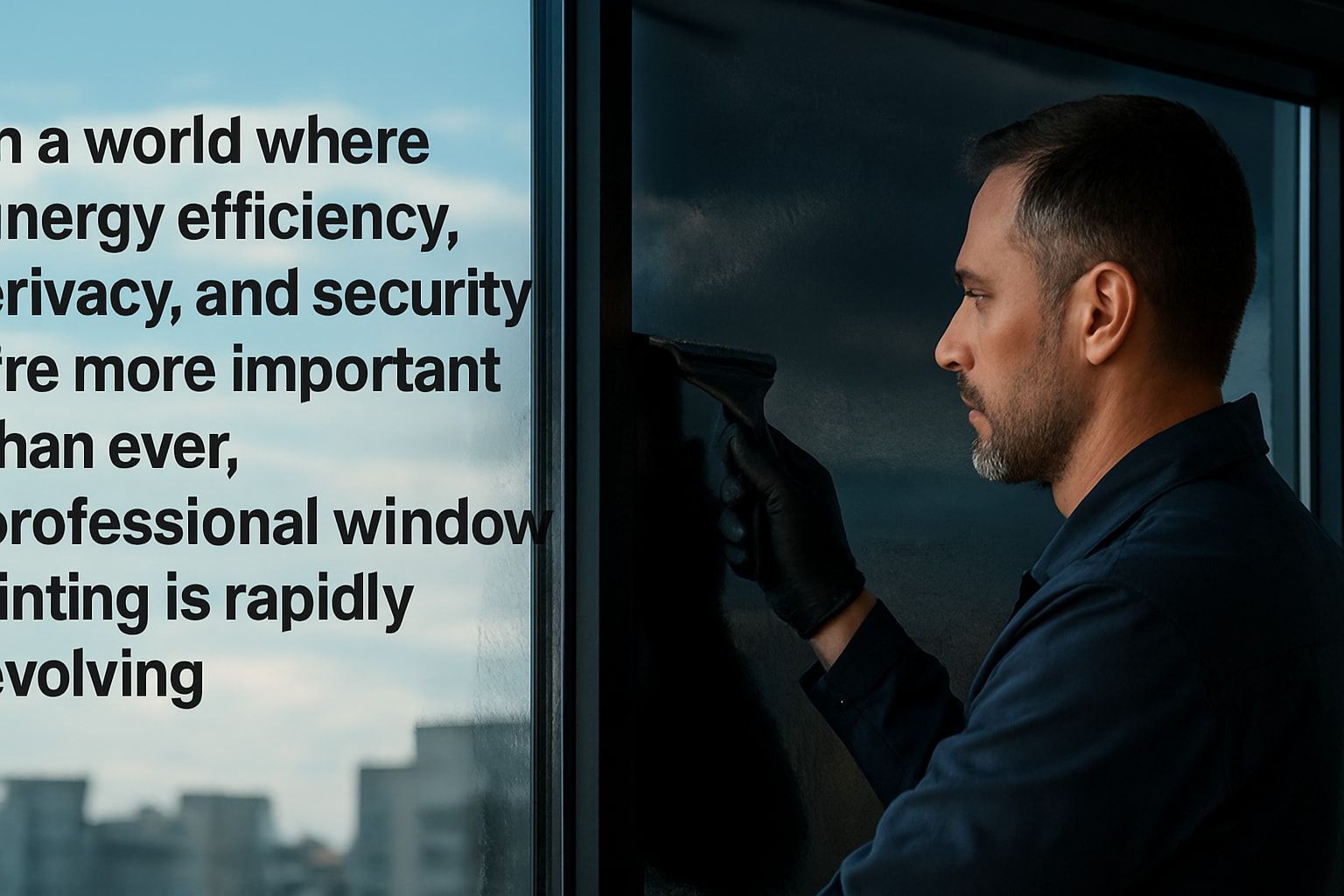
In a world where energy efficiency, privacy, and security are more important than ever, the role of a professional window tinter is rapidly evolving. The industry is experiencing significant growth, fueled by advances in technology and increasing client demands.
This guide is designed to equip you with expert insights, practical step-by-step advice, and the most important trends shaping 2026. Whether you are a seasoned professional window tinter or an ambitious enthusiast, you will discover essential skills, must-have tools, advanced installation techniques, updates on regulations, strategies for business growth, and future innovations.
Did you know that the window tinting market is projected to reach new heights in the coming years? Stay ahead by mastering advanced techniques, seeking expert knowledge, and applying actionable guidance found in this comprehensive resource.
The Evolving Role of a Professional Window Tinter in 2026
In 2026, the role of a professional window tinter is more dynamic and demanding than ever. Driven by growing interest in energy savings, privacy, and security, tinters in this evolving industry must master a blend of technical, customer service, and business skills to stay ahead.
Industry Growth and Demand
The window tinting market is projected to see robust growth by 2026, fueled by increased demand in residential, commercial, and automotive sectors. This surge is linked to rising energy costs, heightened privacy concerns, and the need for UV protection. For the professional window tinter, these trends signal more opportunities and a broader client base.
Essential Skills and Qualifications
A successful professional window tinter must possess a range of technical skills. These include selecting the right film for each project, precise cutting, and expert application. Certifications, such as those from the International Window Film Association (IWFA), are increasingly valued. Ongoing education ensures tinters keep pace with new materials and installation methods.
- Film selection expertise
- Cutting and application precision
- Industry certifications
Core Responsibilities and Daily Workflow
Each day, a professional window tinter manages site assessments, client consultations, and detailed project planning. Surface preparation is critical, followed by quality assurance checks throughout the installation. Balancing efficiency with precision is essential to deliver consistent, high-quality results to every customer.
Customer Expectations and Service Excellence
Today’s clients expect personalized solutions and clear communication from their professional window tinter. There is a growing emphasis on aftercare and comprehensive warranties. According to recent customer review data, superior service quality and transparency are key drivers of repeat business and referrals.
Technological Advancements in Tinting
Technology is transforming the window tinting field. Smart films, nanotechnology, and digital integration are becoming standard. Tools like automated cutting machines enhance precision and reduce installation times. For those seeking to refine their skills, resources such as Precision Window Tinting Insights offer expert guidance on advanced techniques and tools for the modern professional window tinter.
Sustainability and Eco-Friendly Practices
Sustainable practices are now a priority for every professional window tinter. Eco-friendly films and recyclable materials are gaining traction, supported by regulatory measures for greener installations. Notably, green-certified projects are becoming the norm, as seen in case studies where environmental standards drive both business growth and community trust.
Tools, Materials, and Products Every Pro Needs
Every professional window tinter relies on a toolkit built for accuracy, efficiency, and consistency. The right tools and products directly impact installation quality, customer satisfaction, and business reputation. Staying up to date with 2026’s top equipment and materials is essential for delivering the best results in a competitive market.
Essential Tools for Precision Tinting
A professional window tinter’s toolkit has evolved to meet modern demands. Squeegees, heat guns, precision knives, and measuring tapes remain indispensable. In 2026, ergonomic handles and digital film cutters have set a new standard for comfort and accuracy.
Here’s a quick comparison of popular tool brands:
Tool BrandKey FeatureBenefitProCut DigitalAutomated cutterFast, precise cutsTintMasterErgonomic squeegeeReduces hand strainBladeSafeSafety knife systemMinimizes accidents
Automated cutting machines now save time and reduce material waste. For a deeper dive into essential tools and techniques, the Essential Guide to Window Tint Services offers practical insights for every professional window tinter.
Types of Window Films and Their Applications
A professional window tinter must be familiar with a range of window film types to meet diverse client needs. The main categories include solar control, decorative, privacy, safety, and security films. Each type has unique material properties and performance characteristics.
- Solar control films lower heat and block UV rays.
- Decorative films add style or branding.
- Privacy films limit visibility into a space.
- Safety and security films reinforce glass.
Recent data shows solar and security films dominate market share, with privacy films gaining traction in residential and commercial projects. Selecting the right product is a core skill for every professional window tinter.
Innovations in Window Film Technology
Technology is rapidly transforming the window film industry. Modern films now feature self-healing surfaces, anti-glare coatings, and ballistic resistance. Some films integrate seamlessly with smart home systems, allowing users to adjust tint levels electronically.
A professional window tinter can now offer advanced solutions that were once reserved for high-security or luxury projects. For example, ballistic-resistant films are increasingly installed in commercial buildings, providing peace of mind for clients seeking top-tier protection. Staying ahead with these innovations is essential for maintaining a competitive edge.
Choosing the Right Film for Each Project
Matching the correct film to each project is a key responsibility for a professional window tinter. This process starts with understanding client priorities—such as UV protection, heat reduction, or privacy—and analyzing factors like building codes and climate.
For example, schools may prioritize safety and glare reduction, while retail spaces often require branding and privacy solutions. A professional window tinter must also ensure all films meet local regulations and performance standards. Proper film selection guarantees both compliance and client satisfaction.
Safety and Environmental Considerations
Safety and sustainability are top priorities for any professional window tinter. Handling chemicals and adhesives requires protective equipment and proper ventilation. Always use gloves, masks, and safety glasses during installation.
Eco-friendly practices are gaining momentum in 2026. Many films are now recyclable, and regulations encourage responsible disposal of waste. Stay updated on regulatory changes to ensure compliance and protect both installers and the environment. Simple adjustments in workflow can make a significant difference in safety and sustainability outcomes.
Supplier Relationships and Product Sourcing
Reliable suppliers are the backbone of consistent quality for a professional window tinter. Building strong partnerships ensures timely access to high-grade films, tools, and support services. Evaluate suppliers based on warranty coverage, customer support, and product availability.
In large-scale projects, supplier collaboration can streamline logistics and minimize delays. For example, partnering with a supplier that offers on-site training and dedicated support can elevate project outcomes and client satisfaction. Strategic sourcing is a smart investment for long-term business growth.
Step-by-Step Guide to Professional Window Tint Installation
A professional window tinter approaches each project with a methodical and precise process. Mastery of each stage not only ensures flawless results but also builds a reputation for excellence. Below, discover the essential steps every professional window tinter should follow to achieve optimal outcomes in 2026.
Preparation and Site Assessment
Every successful project starts with thorough preparation. A professional window tinter begins by inspecting the glass for chips, cracks, or defects that could affect film adhesion. Environmental factors, such as humidity and temperature, are also assessed to anticipate challenges during installation.
Accurate measurements are critical. Use a laser measurer or tape to document each window’s dimensions and unique characteristics. Record these details digitally to streamline project planning and minimize errors.
Client communication is equally important. Discuss goals, such as UV protection, energy savings, or privacy, and review any building codes or restrictions. Set clear expectations regarding the installation timeline and what the client can expect throughout the process.
A methodical approach in this phase helps a professional window tinter avoid costly mistakes and ensures the project aligns with client needs.
Surface Cleaning and Prepping Windows
Proper surface preparation is the foundation of a flawless installation. The professional window tinter starts by removing dust, dirt, and oils from the glass using approved cleaning agents, such as ammonia-free glass cleaners or a diluted soap solution. Lint-free microfiber cloths and rubber squeegees are essential tools for this step.
Common pitfalls include leaving behind residue, streaks, or tiny debris particles that can cause bubbles or imperfections. To avoid these issues:
- Clean the window frame and seals first to prevent debris from falling onto the glass.
- Use a razor scraper for stubborn spots, but avoid scratching the surface.
- Double-check corners and edges, as these areas often trap dust.
A professional window tinter knows that meticulous cleaning directly impacts the longevity and appearance of the installation. Taking extra time during this step pays dividends in the final result.
Cutting and Shaping the Film
Precision cutting is a signature skill for any professional window tinter. Start by unrolling the chosen film and measuring it against the window, leaving a small margin for fine trimming. Modern automated cutters can boost efficiency and accuracy, but manual cutting remains essential for custom shapes.
Key tools include:
- Sharp utility knives or specialty film cutters
- Stainless steel rulers and cutting mats
- Pre-cut templates for repetitive projects
When tackling complex shapes or curved glass, cut the film slightly larger and trim it in place after application. Always change blades frequently to prevent jagged edges. For intricate patterns, score the film gently to avoid tears.
By combining the right tools and steady hands, a professional window tinter ensures each piece fits perfectly, setting the stage for a seamless installation.
Application and Installation Techniques
The actual installation is where a professional window tinter’s expertise shines. Choose between wet and dry application methods based on film type and project requirements. Wet application, using a soapy water solution, allows for repositioning and bubble removal, while dry methods may suit certain specialty films.
Steps for a flawless installation:
- Peel the film’s liner and spray both the adhesive side and the glass with the application solution.
- Position the film carefully, aligning edges and smoothing out wrinkles.
- Use a squeegee to press out water and air, starting from the center and moving outward.
- Pay special attention to corners and edges to ensure full adhesion.
For large panes or automotive windows, work in sections to maintain control. If you specialize in vehicles, consider reviewing Automotive Window Tinting Tips for advanced techniques tailored to that sector.
A professional window tinter adapts their approach based on the project’s complexity, always prioritizing precision and efficiency.
Trimming, Edging, and Detailing
Achieving clean lines and seamless edges is the hallmark of a skilled professional window tinter. After initial application, carefully trim excess film using a sharp blade and a straightedge. Pay close attention to the window’s perimeter, ensuring the film sits just inside the gasket or frame for a factory-finished look.
For micro-trimming:
- Use specialty corner tools to reach tight angles.
- Employ fine-tipped blades for detailed work.
- Wipe edges with a lint-free cloth to remove moisture and residue.
Automotive projects may require contouring the film to curved surfaces, while architectural jobs demand uniformity across multiple panes. In both cases, a professional window tinter’s attention to detail guarantees a visually flawless and durable result.
Consistent practice and the right tools allow a professional window tinter to deliver top-tier finishes every time.
Quality Control and Final Inspection
The final inspection separates a good installation from a great one. A professional window tinter examines the glass from multiple angles and under various lighting conditions to spot bubbles, creases, or trapped dust.
Use a bright flashlight or sunlight to detect imperfections. Lightly run a squeegee or soft card along the edges to check for secure adhesion. Document any issues and address them immediately to maintain high standards.
Provide clients with clear post-installation care instructions, such as avoiding window cleaning for a specified period and not touching the film until it cures. This step reinforces professionalism and minimizes callbacks.
By prioritizing quality control, a professional window tinter ensures every project meets or exceeds client expectations and industry benchmarks.
Navigating Legal, Safety, and Industry Standards in 2026
In 2026, the landscape for the professional window tinter is shaped by evolving regulations, safety standards, and new industry benchmarks. Staying compliant is not just about following rules—it is about building trust and ensuring long-term business success. Let us explore the critical legal, safety, and industry standards every professional window tinter must master.
Understanding Local and Federal Regulations
Every professional window tinter must keep up with both local and federal regulations as these laws can change yearly. In 2026, tint limits for visible light transmission, reflectivity, and film types vary by state and municipality. For example, recent changes in Texas window tint laws have redefined what is legal for both vehicles and buildings.
A professional window tinter should always review the latest codes before starting a project. This ensures installations meet all requirements and avoids costly fines or rework. Checking updates regularly is a best practice for any professional window tinter.
Compliance and Certification Requirements
For a professional window tinter, certification and ongoing education are essential. Many states now require proof of training or certification from recognized bodies such as the International Window Film Association (IWFA). This demonstrates expertise and commitment to high standards.
Maintaining certification is not just about personal growth. It is also a requirement for insurance and licensing in several regions. Professional window tinter businesses that prioritize compliance stand out in a competitive market and gain client confidence.
Safety Protocols for Installers and Clients
Safety is a non-negotiable aspect of the professional window tinter’s daily routine. Wearing personal protective equipment like gloves and safety glasses is now industry standard. Installers must also handle chemicals and adhesives with care, following the latest OSHA guidelines.
A professional window tinter should always conduct a safety briefing before each project. This includes identifying hazards, using proper ventilation, and ensuring clients are aware of drying and curing times. Adhering to these best practices helps prevent accidents and ensures a safe environment for everyone.
Documentation and Record-Keeping
Thorough documentation is critical for the professional window tinter. Keeping detailed records of installations, client agreements, and compliance checks protects both the business and the customer. Digital tools now streamline record-keeping, making it easier to track warranties and regulatory requirements.
Audit-ready documentation systems are increasingly popular. For example, some professional window tinter companies use mobile apps to store photos, installation data, and client signatures in real time. This level of organization is vital during inspections or client disputes.
Liability and Insurance Considerations
Proper insurance coverage is a must for every professional window tinter. General liability, property, and workers’ compensation policies protect against accidents, damage, or legal claims. Understanding the types of insurance needed for window tinting businesses can save a company from significant financial risk.
Managing liability also means setting clear client expectations and documenting every stage of the project. In the event of a dispute or claim, a professional window tinter with thorough records and the right insurance is well positioned to handle any challenge.
Industry Trends: Security and Ballistic Films
The demand for security and ballistic window films is rising fast in schools, businesses, and public buildings. Clients now expect advanced solutions that not only provide privacy but also enhance safety and deter break-ins. Performance standards and testing protocols have become more rigorous.
For professional window tinter businesses, staying ahead means understanding the latest products and installation methods. For an in-depth look at security film options and installation, see the Security Film Solutions for Professionals guide. Adopting these innovations can set a professional window tinter apart in a competitive field.
Business Growth Strategies and Marketing for Window Tinters
Success as a professional window tinter in 2026 depends on more than technical expertise. Building a thriving business means mastering branding, pricing, marketing, partnerships, customer retention, and ongoing training. Let’s explore the strategies that will set you apart in the window tinting industry.
Building a Strong Brand and Reputation
A strong brand is the foundation for any successful professional window tinter. Prioritize your online presence by showcasing before-and-after photos and encouraging client reviews. Word-of-mouth remains essential, so deliver consistent, high-quality results every time.
Consider developing a signature look or unique service offering. By highlighting your certifications and sharing positive testimonials, you build trust and authority. Remember, a professional window tinter who invests in branding will attract more discerning clients.
Pricing Strategies and Service Packages
Competitive pricing is vital for a professional window tinter looking to expand. Stay informed about industry trends and local benchmarks. According to the Window Film Market Size & Forecast, the demand for varied film types is shaping new pricing models globally.
Bundle services, such as combining security film with decorative options, to increase value. Offer transparent quotes and explain the benefits of each package. This approach not only attracts new clients but also encourages repeat business for the professional window tinter.
Digital Marketing and Lead Generation
Effective digital marketing is a non-negotiable tool for the modern professional window tinter. Optimize your website for search engines and keep your Google My Business profile up to date. Use social media to share project highlights, answer questions, and engage with your audience.
Consider targeted paid ads to reach local homeowners and businesses. Track your results and adjust strategies as needed. A professional window tinter who excels online will consistently generate quality leads.
Networking and Strategic Partnerships
Forming partnerships with contractors, architects, and property managers can significantly boost your project pipeline. Attend industry events and join local business groups to increase visibility.
Membership in associations can provide credibility and referrals. Collaborate on joint marketing initiatives or cross-promotions. For a professional window tinter, strategic networking often leads to larger, more lucrative contracts.
Upselling and Customer Retention Techniques
Upselling is an art every professional window tinter should master. Offer maintenance plans, product upgrades, or seasonal promotions to keep clients engaged. Loyalty programs and referral incentives reward repeat business and word-of-mouth referrals.
Monitor customer satisfaction through follow-ups and surveys. The most successful professional window tinter knows that retention is just as important as acquisition.
Training and Workforce Development
Continual training ensures that a professional window tinter stays ahead of industry changes. Invest in in-house workshops or send staff to external certification programs. Embrace new technologies and installation techniques to maintain a competitive edge.
A skilled, knowledgeable team reflects positively on your brand. Workforce development not only improves service quality but also fosters long-term business growth for the professional window tinter.
The Future of Window Tinting: Trends, Innovations, and Opportunities
The future of window tinting is transforming at an unprecedented pace. As 2026 approaches, every professional window tinter must adapt to new demands, technologies, and global opportunities. This section explores the key trends shaping the industry, from smart films and sustainability to AI integration and international market growth.
Smart Window Technologies and Integration
Smart window technologies are revolutionizing the role of the professional window tinter. Electrochromic and switchable films now allow instant changes in opacity, boosting energy efficiency and user comfort. Integration with smart home and building automation systems is becoming standard, enabling remote control and automated responses to sunlight.
In commercial spaces, demand for smart tint installations is rising rapidly, as building managers seek innovative ways to manage lighting and privacy. Research on self-driving laboratories for developing electrochromic films, like the advancements discussed in the Self-Driving Lab for Electrochromic Films, points to a future where material discovery and customization are faster and more precise than ever.
Sustainability and Green Building Certifications
Sustainability is now at the forefront for every professional window tinter. Eco-friendly films, low-VOC adhesives, and recyclable materials are in high demand, especially for clients pursuing LEED or other green building certifications.
Innovations in biodegradable films and closed-loop recycling programs are transforming the industry. More projects require documentation of environmental impact, making it essential for tinters to stay updated on the latest green standards. Data shows that a growing percentage of commercial installations now seek green certification, driving product development and installer expertise in sustainable solutions.
Advanced Security and Ballistic Film Solutions
Security concerns are driving investment in advanced window films. A professional window tinter must be proficient in installing safety and ballistic-resistant films, which offer protection against forced entry, blasts, and ballistic threats.
Schools, government buildings, and commercial properties increasingly require these solutions to comply with new performance standards. Real-world case studies demonstrate how ballistic film installations have prevented injuries and property loss, making them a key growth area for tinters with specialized training.
Consumer Preferences and Design Trends
Consumer tastes are evolving, with more clients requesting decorative, customizable, and privacy films. Professional window tinters must keep pace with trends in color, texture, and branding, as well as the growing demand for films that enhance both aesthetics and functionality.
Retail and hospitality sectors are especially interested in films offering unique patterns or company logos. The ability to deliver tailored solutions, such as frosted designs or gradient tints, can set a professional window tinter apart in a competitive market.
The Role of AI and Automation in Tinting
Artificial intelligence and automation are transforming the daily workflow of the professional window tinter. Automated film cutters, AI-driven project planning, and digital measurement tools are boosting precision and efficiency.
Companies are already leveraging AI to optimize large-scale installations, reducing both labor costs and installation times. The application of self-driving labs to film development, as highlighted in recent research, suggests an industry where innovation is faster and customization is more accessible than ever before.
Global Market Expansion and Emerging Opportunities
The global market for window tinting is expanding, offering new opportunities and challenges for the professional window tinter. International growth is driven by rising demand in regions with harsh climates and increasing regulatory support for energy-efficient building solutions.
Export trends and unique regional regulations require tinters to adapt products and techniques. According to Automotive Tinting Film Market Growth & Trends, the automotive tinting segment is projected to see robust growth through 2030, reflecting broader opportunities across sectors. Tinters who understand these dynamics will be well positioned to thrive in a globalized market.
As you explore the evolving world of professional window tinting and the advanced solutions highlighted in this guide, you might be thinking about how these innovations could help your own property stay secure, energy efficient, and comfortable. Whether you want to safeguard your business with ballistic film or simply reduce glare and UV exposure at home, working with a trusted expert makes all the difference. At Lewolf Window Tint and Film Solutions, we combine the latest techniques with a strong commitment to safety and quality. If you’re ready to take the next step, you can get free quote tailored to your needs.