Pro Window Tint Guide: Expert Tips for 2026
Pro Window Tint Guide: Expert Tips for 2026
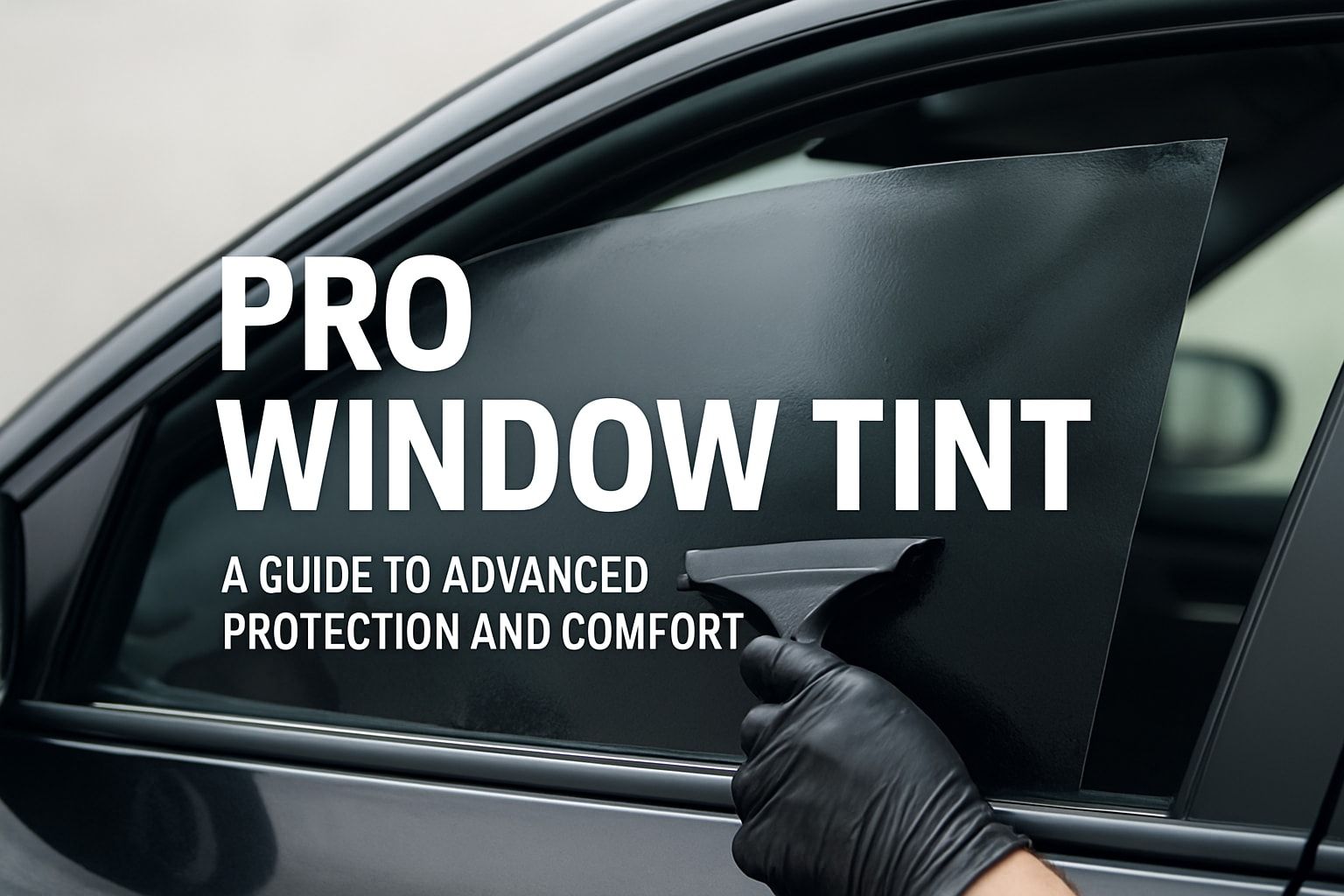
Discover how pro window tint is transforming more than just the look of your vehicle in 2026. Today’s drivers demand high-performance films that block UV rays, reduce glare, and keep interiors cool, all while elevating style.
With advancements like ceramic and nanotechnology-based films, the world of pro window tint offers powerful protection and modern comfort. These solutions help safeguard your car’s interior, boost privacy, and even lower energy use.
Ready to make the right choice for your vehicle? This guide breaks down everything you need to know about pro window tint, from film types and legal tips to expert installation, aftercare, and the latest trends.
Window Tinting Fundamentals: What Every Vehicle Owner Should Know
Understanding the fundamentals of pro window tint is essential for making informed decisions about your vehicle’s comfort, safety, and longevity. With advanced technologies and a wide range of options available, knowing how tints work and their real benefits can help you choose the best solution for your needs.
The Science Behind Window Tinting
Pro window tint films use advanced materials to control light and heat entering your vehicle. Most films operate through a combination of absorption and reflection, with nanotechnology now playing a critical role. Nanoceramic particles and multiple micro-layers block harmful ultraviolet (UV) rays and infrared (IR) heat, while maintaining high clarity.
The main functions of a pro window tint include:
- UV protection: Blocks up to 99% of harmful rays, protecting skin and interiors.
- IR heat rejection: Reduces cabin temperatures by reflecting IR energy.
- Glare reduction: Enhances driver visibility and safety.
It is important to distinguish between visible light transmission (VLT) and IR rejection. VLT refers to the percentage of visible light allowed through the glass, while IR rejection measures the ability to block heat-carrying infrared rays. For example, modern ceramic tints such as Ceramic Pro Ultimate IR can block up to 99% of UV rays and 99% of IR heat, offering superior performance.
For those seeking to maximize their benefits, Expert auto window tinting tips provide in-depth guidance on selecting and maintaining the right film. With pro window tint, you gain both advanced protection and a significant boost in comfort.
Benefits of Professional Window Tinting
Choosing a pro window tint delivers more than just a sleek appearance. Enhanced cabin comfort is one of the most noticeable advantages, as quality films reduce heat buildup even during peak summer. Protecting your vehicle’s interior is another key benefit, with tints preventing fading, cracking, and premature aging of upholstery and dashboards.
Driving safety also improves since tints minimize glare from sunlight and headlights, reducing eye strain and distractions. Increased privacy helps shield your belongings from prying eyes, while a pro window tint can deter theft by making it harder to see inside.
Energy efficiency is a major plus, especially for electric vehicles. By reducing heat, your air conditioning system works less, conserving battery and lowering energy costs. As a real-world example, ceramic IR tints have helped drivers maintain cooler interiors and cut down on energy usage, proving the real-world value of investing in pro window tint.
Common Myths and Misconceptions
There are several myths about pro window tint that can cause confusion. One widespread belief is that darker films always mean better performance. In reality, performance depends on the technology and materials used, not just the shade.
Another misconception is that all tints interfere with electronics. Modern non-metallic films, especially ceramic and carbon types, are designed to avoid disrupting GPS, Bluetooth, and radio signals. Understanding the difference between tint shade and color is also crucial. Most pro window tint films are available in varying shades, not colors, allowing you to choose the right balance of appearance and function.
For instance, Ceramic Pro films are engineered for zero signal interference, making them ideal for today’s connected vehicles. By separating fact from fiction, you can confidently select a pro window tint that aligns with your needs.
Types of Window Tint Films: Comparing Performance and Value
Selecting the right pro window tint film is essential for balancing style, comfort, and protection. With advancements in 2026, understanding film types and their value can help you make an informed decision for your vehicle.
Dyed, Carbon, and Ceramic Films Explained
Window tint films have evolved rapidly, offering a range of options for pro window tint solutions. Each film type delivers unique performance, price, and appearance benefits.
- Dyed films: These are the most affordable entry point for pro window tint. They absorb some solar energy, minimize glare, and offer a uniform look. However, heat rejection is limited, and longevity may be shorter.
- Carbon films: Featuring non-metallic carbon particles, these films provide better heat rejection, enhanced durability, and a sleek matte finish. They resist fading and do not interfere with electronics, making them a popular mid-range choice for pro window tint.
- Ceramic films: At the top tier, ceramic films utilize nanotechnology to block up to 99 percent of UV and IR rays. They deliver excellent clarity, superior heat rejection, and zero signal interference, making them ideal for high-performance pro window tint installations.
For a detailed breakdown, see this Comparing window tint film types guide.
Side-by-Side Comparison Table
Film TypeExampleHeat RejectionVLT RangeAppearanceWarrantyDyedStandard DyedLow5-50%Deep Black1-3 YearsCarbonCarbon XMedium5-50%Matte Black5-10 YearsCeramicCeramic X, IRHigh5-70%NeutralLifetimeLuxury CeramicUltimate IRHighest5-70%Crystal ClarityLifetime
This table highlights how each pro window tint film meets different needs, from basic privacy to advanced thermal control.
Choosing the Right Tint for Your Needs
When selecting a pro window tint, consider your primary goals. Do you want maximum heat rejection, increased privacy, or a seamless factory look? Each factor influences the best film choice for your vehicle.
- Heat rejection: If you drive in hot climates or want to reduce AC usage, ceramic or luxury ceramic films like Ultimate IR are optimal.
- Privacy: Darker shades offer more privacy, but always ensure your pro window tint complies with legal VLT requirements.
- Budget: Dyed films fit smaller budgets, while carbon and ceramic options provide better value over time due to durability and performance.
- Aesthetic preferences: Matching OEM glass shades, such as with Ceramic X, delivers a factory-finish appearance.
- Electronics compatibility: Non-metallic pro window tint films, including carbon and ceramic, guarantee no interference with GPS, Bluetooth, or radio.
Evaluate these aspects with your installer to choose a pro window tint that aligns with your driving habits and style. Remember, the right film enhances comfort, safety, and value.
Latest Innovations in 2026 Window Films
The pro window tint industry in 2026 is defined by cutting-edge advancements. Nanotechnology-infused ceramic films now deliver unprecedented IR and UV rejection, significantly improving cabin comfort.
Multi-layered films have become the norm, providing enhanced durability and optical clarity. Smart and adaptive tints are emerging, allowing drivers to adjust darkness levels via smartphone or vehicle controls.
Ultimate IR, the world’s first luxury ceramic window film, exemplifies these trends. It offers unmatched heat rejection, a crystal-clear appearance, and robust warranty support, setting a new standard for pro window tint.
As technology advances, expect more personalized, energy-efficient, and connected window tint solutions tailored to every vehicle owner.
Legal Considerations: Navigating Window Tint Laws in 2026
Understanding the legal landscape is essential before investing in pro window tint for your vehicle. Laws have evolved, and regulations can vary widely by region. Staying informed helps ensure your installation is both effective and compliant, protecting you from unnecessary risks.
Understanding VLT and State Regulations
Visible Light Transmission (VLT) measures the percentage of light allowed through your vehicle's windows. Most states mandate a minimum VLT—typically 35% or higher for front side windows. Rear windows and windshields often have different requirements, and some states restrict tint colors or reflective finishes.
Before choosing your pro window tint, always confirm the latest regulations for your area. Laws can change, and enforcement may differ between cities or counties. For a detailed overview of current rules and how to check your local requirements, consult the Window tinting legal guide 2026.
- Common state VLT limits:
- Front side: 35% or higher
- Rear side: 20% to 35%
- Windshield: Tinting typically allowed only on the top few inches
Verifying compliance before installation helps you avoid costly corrections.
Compliance and Safety Issues
Non-compliance with pro window tint laws can result in fines, failed vehicle inspections, or even being required to remove the tint. The risks extend beyond legal penalties; improper installation or excessive darkness can impair visibility and pose safety concerns.
Commercial vehicles often have stricter guidelines compared to personal vehicles, especially regarding windshield and driver window tint. Certified installers play a crucial role by providing documentation that your tint meets all legal standards. This certification can be valuable during inspections or if you are ever stopped by law enforcement.
Many high-quality tint brands offer a range of VLT options, making it easier to find a solution that aligns with your state’s regulations. Choosing a reputable shop ensures your pro window tint is both compliant and professionally installed.
International Trends and Differences
Globally, window tint laws reflect diverse approaches to safety and privacy. For example, European countries often set higher minimum VLT for front windows, while some Asian regions allow darker tints for privacy in hot climates. Canada’s rules vary by province but generally mirror US standards.
These international trends influence US policy, as regulators adapt to new safety data and technology advancements. Staying aware of global standards helps you anticipate changes that could affect your pro window tint choices in the future.
When considering aftermarket tint, review not only local but also international guidelines, especially if you travel across borders. Understanding these differences ensures your vehicle remains compliant and safe wherever you drive.
Step-by-Step Guide: Professional Window Tint Installation Process
Achieving the best results with pro window tint involves a meticulous, professional approach from start to finish. Whether you are upgrading your vehicle for privacy, heat rejection, or aesthetics, following expert installation steps ensures flawless performance and longevity.
Preparation and Pre-Installation
Every successful pro window tint project starts with thorough preparation. Professional installers begin by cleaning the glass with ammonia-free cleaners to remove dust, grease, and debris. This step is crucial because even the tiniest particles can cause bubbles or imperfections.
Next, the installer measures each window precisely. Using a tape measure and templates, they ensure the film fits each glass panel perfectly. For most modern vehicles, pro window tint shops rely on computer-cut systems. These tools guarantee that each piece of film matches the exact specifications of the window, reducing waste and speeding up the process.
Essential tools for preparation:
ToolPurposeMicrofiber clothStreak-free cleaningSqueegeeWater removal, smoothingUtility knifePrecise film cuttingHeat gunShaping film to curvesSpray bottleApplying slip solution
Once the film is cut, the installer applies a slip solution to the window. This solution allows the film to be repositioned for accurate placement. For advanced techniques and insights into new equipment, consult Advanced window tinting technologies.
A well-prepared surface is the foundation of a durable, high-quality pro window tint installation. This step is essential for achieving an immaculate finish that meets both aesthetic and performance expectations.
Application Techniques Used by Experts
Applying pro window tint film is a skill that combines precision, patience, and professional technique. The process typically uses either a wet or dry application, but most experts favor the wet method for its adjustability.
First, the installer carefully places the film onto the wet glass, adjusting the position until it aligns perfectly with the edges. Using a squeegee, they work from the center outward, pressing out any water or air bubbles. This step prevents future bubbling and ensures a seamless finish.
When working with complex window shapes, a heat gun is used to contour the film around curves and edges. This ensures the pro window tint adheres smoothly, even on challenging surfaces. For multilayer ceramic or nanotechnology-based films, extra care is required to avoid creases or damage during handling.
Professional application tips:
- Always overlap the film slightly beyond the window’s edge, then trim for a perfect fit.
- Use consistent, firm pressure with the squeegee to remove all moisture.
- Inspect edges immediately to catch any early signs of lifting.
Throughout the application, the installer checks their work under bright lighting to spot and address any flaws. Attention to detail at this stage sets apart a standard job from a true pro window tint installation.
Post-Installation Inspection and Curing
After the film is applied, a thorough inspection ensures the pro window tint meets the highest standards. Installers look for bubbles, creases, or any lifting at the edges. If defects are found, these are corrected immediately to prevent long-term issues.
Curing is the next critical phase. Freshly installed window tint requires time for the adhesive to bond fully with the glass. During this period, which typically lasts 48 to 72 hours, it is vital not to roll down the windows or clean the glass. This allows the pro window tint to set without disturbance.
Post-installation care checklist:
- Wait at least three days before cleaning or lowering windows.
- Use only soft, non-abrasive cloths for initial cleaning.
- Monitor for any signs of bubbling or discoloration.
Professional installations often come with a limited lifetime warranty. This provides peace of mind, as high-quality films and expert workmanship should deliver years of clarity and protection. Address any concerns during the curing period with your installer to ensure lasting satisfaction.
Advanced Technologies and Trends in Window Tint for 2026
Window tinting is entering a new era, driven by rapid advancements in materials, manufacturing, and smart integration. In 2026, pro window tint is defined not just by improved comfort but by innovative features that redefine what drivers expect from their vehicle glass. Let us explore the cutting-edge technologies, sustainability efforts, and personalization options shaping the future of pro window tint.
Nanotechnology and Multilayer Films
Nanotechnology is transforming pro window tint by enhancing both heat and UV rejection. Nanoceramic particles within the film structure block up to 99 percent of infrared heat and ultraviolet rays, keeping interiors cooler and safer.
Multi-layered construction adds strength and clarity. Each layer serves a purpose, from UV filtering to scratch resistance. Premium films like Ultimate IR achieve remarkable IR rejection through precision layering, maintaining optical clarity and durability over years of use.
Here is a comparison of key features in next-generation films:
FeatureStandard TintNanoceramic TintUltimate IR MultilayerIR Heat Rejection40-50%85-95%99%UV Protection80%99%99%DurabilityModerateHighSuperiorOptical ClarityGoodExcellentCrystal Clear
For more on these innovations, see 2026 Window Tinting Technology Advancements. Pro window tint now offers unprecedented performance in all climates.
Smart and Adaptive Window Tints
The future of pro window tint includes smart and adaptive films. Electrochromic tints can adjust opacity with a switch or automatically in response to sunlight. Photochromic tints darken or lighten based on UV intensity, making driving more comfortable in changing conditions.
Some smart tints integrate with vehicle or smart home controls, letting drivers fine-tune privacy and glare reduction. This technology is especially popular in luxury and electric vehicles, where personalization and efficiency go hand-in-hand.
Adaptive window tints are emerging as a must-have for tech-savvy car owners, bringing flexibility and convenience to the pro window tint experience.
Sustainability and Energy Efficiency
Sustainability is a core focus in the evolution of pro window tint. Manufacturers are using eco-friendly materials and cleaner production processes to minimize environmental impact. Modern ceramic films help reduce vehicle emissions by lowering the need for air conditioning, especially in electric vehicles.
By blocking heat before it enters the cabin, pro window tint reduces energy consumption and supports longer EV range. This benefit is crucial as more drivers choose electric and hybrid models for daily use.
With these advancements, pro window tint not only protects your vehicle but also contributes to a greener future.
Aesthetic and Customization Trends
Personalization is a leading trend in pro window tint for 2026. Drivers can choose films that match OEM glass tones for a seamless, factory-original look. New finishes, including matte and glossy, allow for unique expressions of style.
Designer tints are gaining popularity, with subtle color shifts and patterns that enhance a vehicle’s appearance without compromising performance. Pro window tint installers now offer tailored solutions to meet both aesthetic and functional needs.
As technology advances, customization options continue to expand, ensuring every vehicle stands out while benefiting from state-of-the-art protection.
Window Tint Care and Maintenance: Maximizing Longevity
Caring for your pro window tint is essential for protecting your investment and ensuring lasting performance. Even the most advanced films require proper maintenance to maintain clarity, heat rejection, and appearance for years. Follow these expert guidelines to maximize the lifespan of your window tint and keep your vehicle looking its best.
Immediate Aftercare Following Installation
Proper aftercare during the first 48 to 72 hours is critical for any pro window tint. Avoid rolling down your windows or cleaning the glass until the film has fully adhered and cured. This period allows the adhesive to set and prevents bubbles or edge lifting.
What should you avoid during this time? Do not use harsh cleaners, avoid touching the film, and keep the vehicle in a shaded area if possible. Moisture or haze between the film and glass is normal and will clear as the tint cures.
Key Aftercare Tips:
- Do not operate windows for at least three days
- Avoid cleaning or wiping the glass surface
- Keep the car out of extreme temperatures when possible
Ceramic Pro recommends a minimum three-day wait before cleaning. By following these guidelines, you protect your pro window tint from premature damage and ensure optimal adhesion.
Routine Cleaning and Maintenance Tips
Maintaining your pro window tint requires only a few simple steps, but consistency is key. Use a soft microfiber cloth and ammonia-free cleaner to gently wipe the tinted surface. Avoid abrasive pads, rough paper towels, or harsh chemicals, as these can scratch or degrade the film.
Recommended Cleaning Routine:
- Clean every two weeks, or as needed for dust and fingerprints
- Use a dedicated automotive glass cleaner labeled as safe for tinted windows
- Wipe gently in straight lines, not circles, to avoid streaks
Regular maintenance helps preserve the clarity, finish, and UV-blocking properties of your pro window tint. A little care goes a long way in keeping your vehicle cool and your tint looking new.
Troubleshooting and Warranty Support
Even the best pro window tint may develop issues such as bubbling, peeling, or discoloration over time. Recognizing these signs early allows for prompt action. Most high-end films come with a limited lifetime warranty, covering defects and installation errors.
If you notice problems, contact your installer or authorized provider for inspection. Professional aftercare ensures any warranty claims are handled efficiently. The 2026 Window Tinting Industry Report confirms that next-generation films offer enhanced durability, but proper support remains vital.
Common Issues to Watch For:
- Bubbles or creases forming after curing
- Edges lifting or peeling
- Changes in color or clarity
Prompt attention and warranty support will help your pro window tint deliver maximum value and longevity.
Frequently Asked Questions About Pro Window Tinting
Thinking about pro window tint for your car? Here are the most common questions vehicle owners ask, with expert answers to help you make informed decisions.
What are the main differences between carbon and ceramic window tints?
Here is a quick comparison to help you choose the right pro window tint film for your needs:
FeatureCarbon TintCeramic TintHeat RejectionModerateSuperiorUV ProtectionUp to 99%Up to 99%Signal InterferenceNoneNoneAppearanceMatteNeutral/GlossyPrice$$$$$DurabilityHighHighest
Will pro window tint affect my GPS, Bluetooth, or radio signal?
No, modern pro window tint films, especially ceramic and carbon types, are non metallic and designed for zero signal interference. You can use all your electronics without worry, as proven by leading brands like Ceramic Pro.
How much heat and UV can modern window tints block?
High performance pro window tint, such as ceramic IR films, can block up to 99% of UV rays and 99% of infrared heat. This keeps your car interior cooler and protects against fading and cracking.
How long does professional tint last?
Quality pro window tint installed by certified experts often lasts 10 years or more. Many brands offer limited lifetime warranties, covering issues like bubbling, peeling, or discoloration.
What is the typical cost range for high performance tint installation?
Expect to pay between $250 and $700 for a full vehicle, depending on the type of pro window tint, film technology, and installer expertise.
Can window tint be removed or replaced without damaging glass?
Yes, professional removal techniques allow for safe replacement of pro window tint films without harming your vehicle’s glass.
Are there legal restrictions on pro window tint?
Absolutely. Laws vary by state and country, including limits on darkness and windshield tinting. For the latest updates, see 2026 Window Tint Laws and Regulations.
Is pro window tint really worth the investment?
If you value comfort, privacy, and long term protection for your vehicle, pro window tint offers measurable benefits in performance, efficiency, and style.
After exploring the latest innovations in window tinting, from advanced ceramic and nanotechnology films to tips for ensuring long lasting protection, you can see how much value professional installation brings to your vehicle’s comfort and security. If you’re ready to take the next step in safeguarding your investment and enhancing your driving experience, let an expert guide you through the best options for your needs. For personalized advice or to discover the perfect tint solution, Get Protected Today. Your comfort, safety, and peace of mind start with the right protection.