Essential Guide to Window Tint Services in 2026
Essential Guide to Window Tint Services in 2026
As we move into 2026, the demand for window tint services is rising rapidly. Homeowners and drivers alike are looking for better solutions to combat climate shifts, enhance privacy, and boost energy efficiency.
This essential guide will help you navigate the evolving world of window tint services. Here, you’ll discover the newest technologies, understand the latest legal requirements, learn about the installation process, and get expert advice on choosing the right provider for both vehicles and buildings.
Ready to protect your space, improve comfort, and save on energy costs? Let’s explore how window tint services can deliver results that matter most to you.
The Evolving Landscape of Window Tint Services in 2026
As we look ahead to 2026, the landscape of window tint services is transforming rapidly. Driven by consumer needs, climate trends, and remarkable technological progress, the industry is offering solutions that are smarter, safer, and more efficient than ever before.
Advances in Window Tint Technology
In 2026, window tint services are defined by cutting-edge materials and intelligent features. Nano-ceramic films now lead the market, offering superior infrared and UV rejection without interfering with electronics. Smart tints, which adjust opacity with a tap or automated system, are gaining traction in both vehicles and buildings. Self-healing coatings help maintain a flawless appearance by repairing minor scratches over time. Precision-cut systems and custom designs enable perfect fits for any application. Demand for ballistic and security films is rising, especially in sensitive environments. The industry’s shift toward non-metallic, eco-friendly films supports both sustainability and performance. For a deeper dive into these innovations, explore the 2026 Window Tinting Technology Trends resource.
Key Market Trends and Consumer Demands
Today’s consumers expect window tint services to deliver more than just shade. Energy efficiency and sustainability are top priorities, driving adoption in residential and commercial spaces. Data shows a surge in tint installations for homes and offices, fueled by rising energy costs and environmental awareness. The growth of electric vehicles and smart homes is also influencing film selection, as people look for tints compatible with advanced technologies. Privacy and security needs continue to expand the market, with stricter regulations prompting higher standards for product quality and installation. As building codes and automotive regulations evolve, service providers must keep pace to meet these complex demands.
Regulatory Changes and Compliance in 2026
Regulation is a defining factor in window tint services. In 2026, both federal and state laws have updated Visible Light Transmission (VLT) requirements for vehicles and buildings, impacting tint choices and installation practices. Enforcement is stricter, with real consequences for non-compliance, such as fines or warranty voiding. Regional differences remain significant, requiring careful attention to local rules. For instance, what is legal in Texas may not be permitted in California. Service providers now offer clear guidance on compliance, helping customers navigate legal limits and protect their investments. Staying informed and choosing certified installers is essential for peace of mind.
Expanded Applications: Beyond Cars
Window tint services are no longer just for automobiles. The sector is seeing rapid growth in residential, commercial, and institutional applications. Homes, offices, and schools now benefit from glare reduction, energy savings, and enhanced security. Safety and ballistic films are increasingly used for storm protection and forced-entry resistance, especially in schools and government buildings. Recent statistics reveal a sharp rise in adoption rates across non-automotive sectors, with case studies highlighting successful installations in businesses and educational institutions. These trends underscore the versatility and value of professional tint solutions for a range of environments.
The Role of Professional Installation
Expert installation is crucial for maximizing the benefits of window tint services. While DIY kits are available, only certified professionals can guarantee flawless results and protect manufacturer warranties. Leading providers use advanced techniques like micro-edge film cutting for a seamless finish. Customer reviews consistently show higher satisfaction and longer-lasting results with professional services. Ongoing support, including nationwide warranty programs, ensures that clients receive help when needed. Choosing a skilled installer not only enhances appearance but also ensures compliance and long-term performance for any tinting project.
Types of Window Tint Films and Their Benefits
Choosing the right tint film is essential for maximizing the performance and value of window tint services in 2026. With new technologies and specialty options, understanding the differences between film types helps you make informed decisions for your car, home, or business.
Dyed, Metalized, and Hybrid Films
The foundation of most window tint services starts with dyed, metalized, and hybrid films. Dyed films use a color layer to absorb sunlight, providing basic glare reduction and privacy at a lower cost. Metalized films incorporate thin metallic layers, reflecting heat and adding strength, but can interfere with electronics. Hybrid films blend dyed and metalized layers for balanced performance.
Film TypeAppearanceHeat RejectionCostCommon UseDyedMatte/blackLow$EconomyMetalizedShiny/reflectiveModerate$$Mid-rangeHybridSubtle tintModerate$$Balanced option
Each film type offers unique pros and cons. Dyed films are affordable but fade faster. Metalized films last longer, yet may disrupt GPS or radio. Hybrid films are popular in window tint services for their balance of value and performance.
Ceramic and Nano-Ceramic Films
Ceramic and nano-ceramic films represent the cutting edge in window tint services. These films contain microscopic ceramic particles that block heat, UV, and infrared rays without affecting signal transmission or clarity. Premium brands like Prime XR and XR-Plus are known for up to 99% UV and 96% IR blocking, protecting interiors and occupants.
Ceramic films do not fade or discolor, making them ideal for long-term use. Customers consistently praise their clear appearance and noticeable temperature reduction. In 2026, more homeowners and EV owners are choosing ceramic options for superior comfort and protection.
Security and Ballistic Films
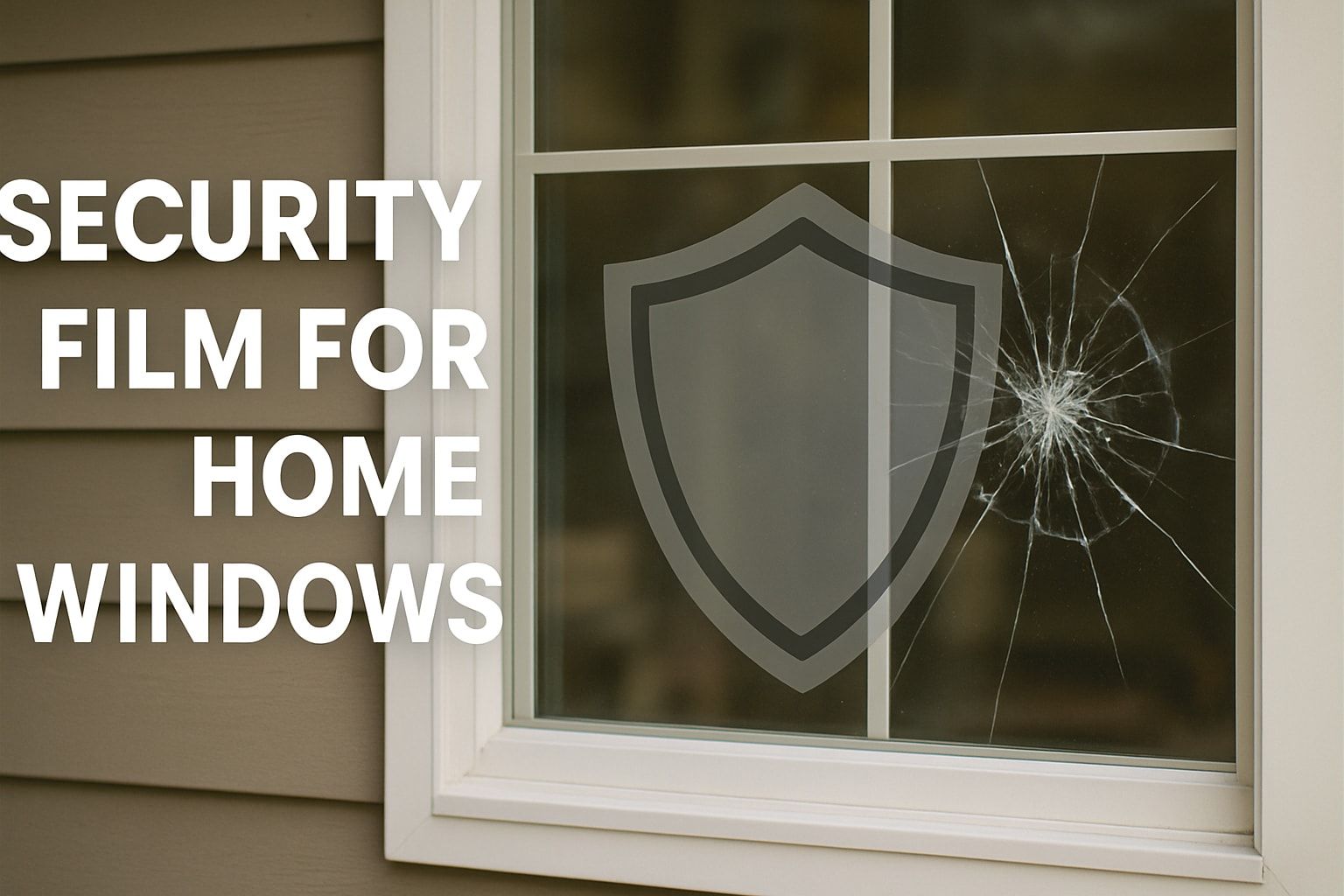
Security and ballistic films are designed for safety, making them a crucial part of advanced window tint services. These thick, multi-layered films hold glass together on impact, deterring forced entry and minimizing injury during storms or accidents. Demand is rising in schools, businesses, and government facilities.
Products like shatter-resistant films and C-Bond BRS systems are trusted for their proven effectiveness. For a deeper look at available options, see Security and Safety Film Solutions. Industry data shows these films can delay break-ins by several minutes, buying critical response time and peace of mind.
Smart and Switchable Tint Technologies
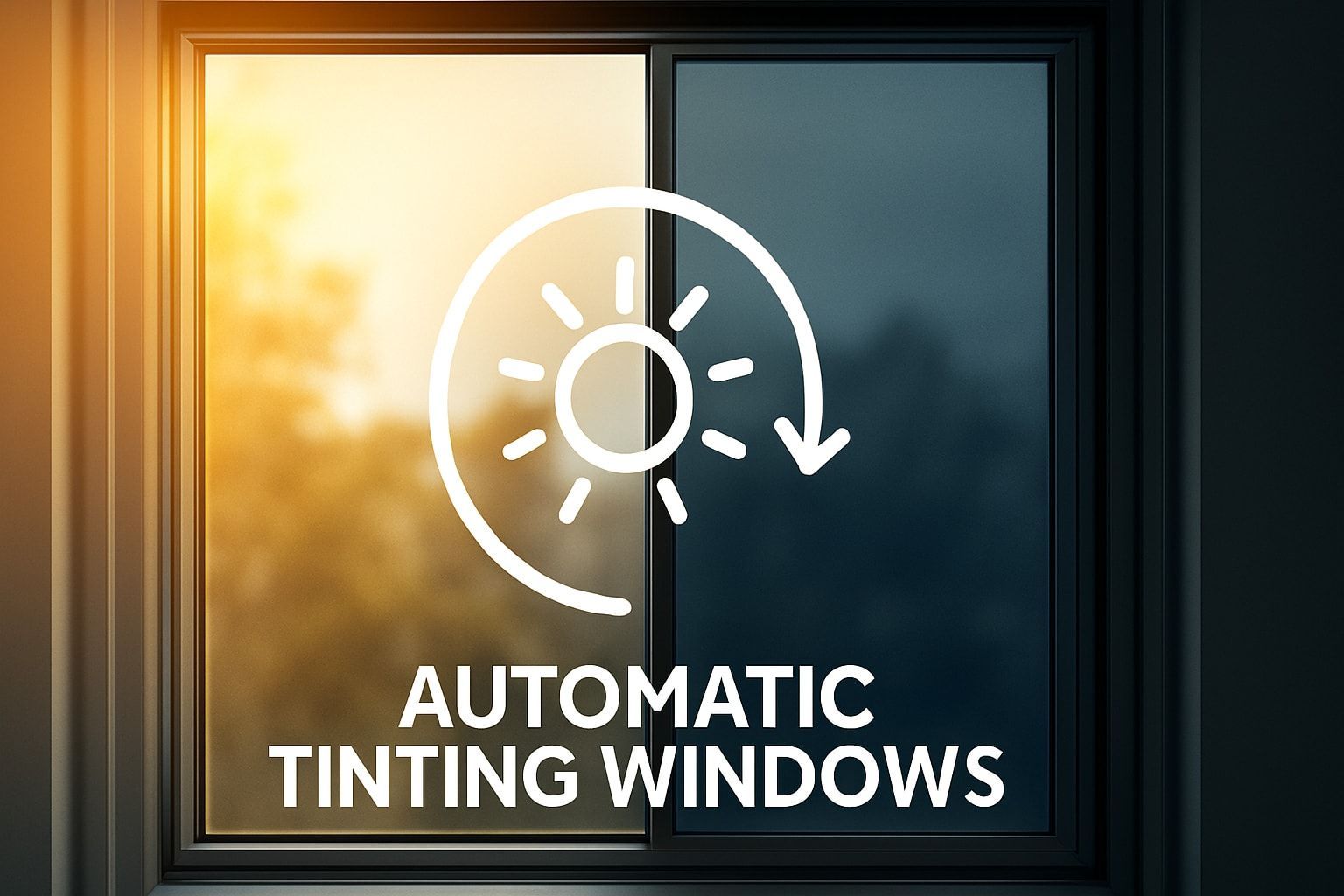
Smart and switchable films are transforming window tint services for both vehicles and buildings. These electrochromic films change opacity at the touch of a button, offering instant privacy or light control. Integration with smart home and vehicle systems is now common, making them ideal for tech-savvy users.
These films improve energy efficiency by adjusting to sunlight automatically. Adoption is growing in luxury vehicles, conference rooms, and medical facilities. Experts predict smart tints will become a standard feature in many new builds by 2026.
UV Protection and Sun Control Films
UV protection and sun control films are essential for health and energy savings in window tint services. These films can block up to 99% of harmful UV rays and significantly reduce glare. By minimizing exposure, they protect skin, prevent interior fading, and lower cooling costs.
Customers frequently report cooler rooms and longer-lasting furnishings after installation. Across all film types, UV-blocking performance is a top factor when selecting window tint services. Testimonials highlight improved comfort and noticeable drops in energy bills.
Specialty Films: Decorative and Custom Options
Specialty films add style and branding to window tint services. Frosted, colored, and custom-printed films are popular in offices, retail stores, and luxury vehicles. They provide privacy without sacrificing natural light and let businesses feature logos or unique designs. Competitors now offer extensive libraries of custom patterns to suit any project.
Understanding Window Tint Laws and Regulations in 2026
Staying informed about window tint laws is crucial for anyone considering window tint services in 2026. Evolving regulations impact both vehicles and properties, affecting not only aesthetics but also safety, compliance, and warranties. Understanding these legal nuances is the first step to making smart, compliant choices for your tinting needs.
Automotive Window Tint Legalities
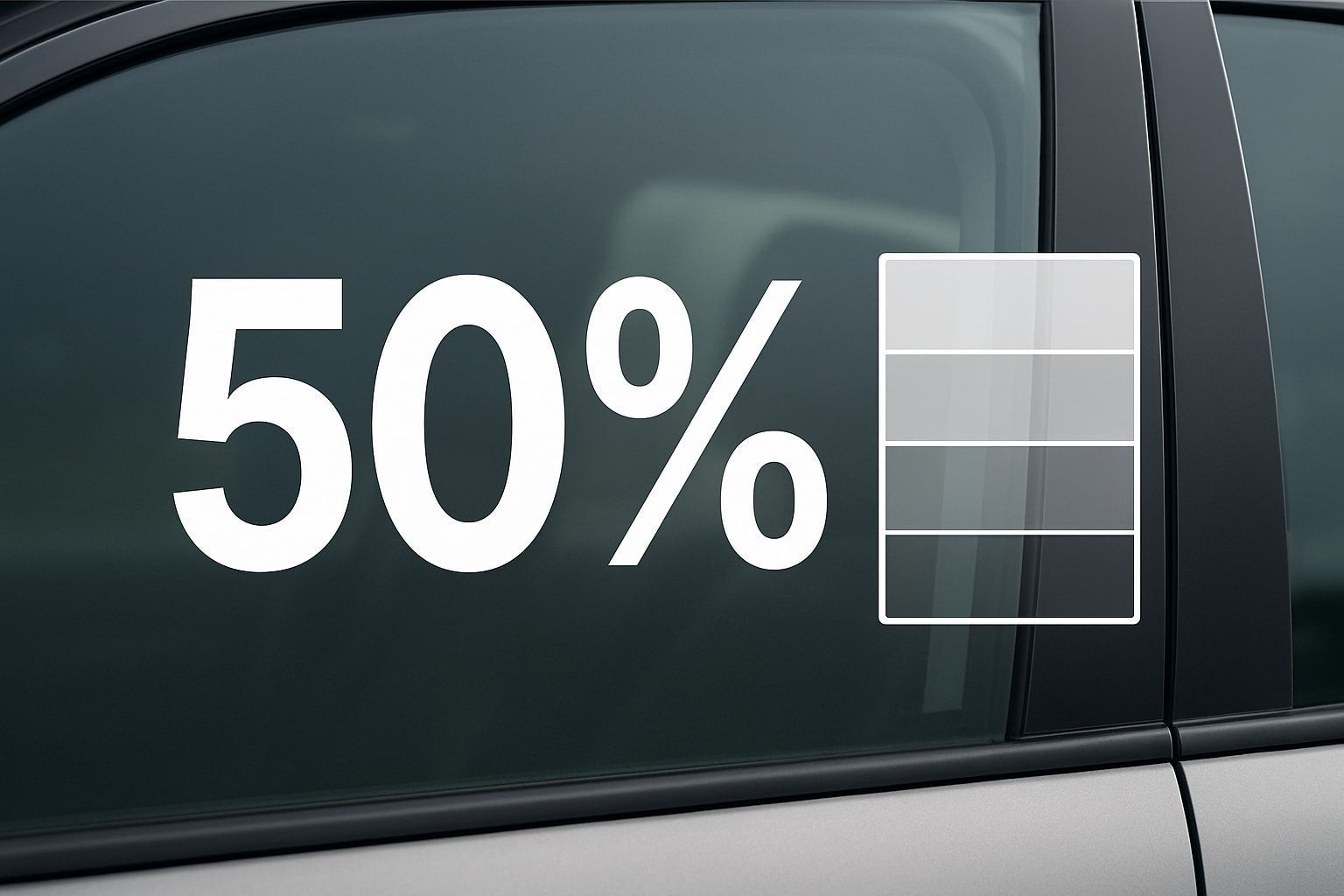
Automotive window tint laws in 2026 continue to evolve, with federal and state regulations setting limits on how dark or reflective tints can be. Visible Light Transmission (VLT) percentages dictate the minimum amount of light that must pass through vehicle windows, and these limits often differ between the front, rear, and side windows. For example, states like California have stricter VLT requirements compared to Texas, and rules for windshield tinting or medical exemptions can also vary.
Before scheduling window tint services, drivers should be aware of the consequences of non-compliance, which may include fines or mandatory removal of illegal tint. Enforcement has become more consistent, with new inspection technologies making it easier for authorities to check VLT percentages. For a detailed summary of recent updates, see the 2026 Car and Truck Tint Laws.
Residential and Commercial Tinting Codes
Window tint services for homes and businesses must also meet local building codes and energy efficiency standards. Many regions have adopted stricter requirements to ensure that tint films do not interfere with fire safety or emergency egress. Certified products are often required for warranty eligibility and insurance coverage, making professional installation a wise choice.
Local code variations can affect the types of films allowed, especially in multi-unit buildings or historic districts. Some areas incentivize energy-efficient window tint services by offering rebates or property tax credits. Always consult with a certified installer who understands relevant codes and can guide you toward compliant, high-performance solutions.
How to Check and Stay Compliant
To ensure your window tint services meet all legal requirements, start by researching state and local regulations. Reliable online resources, official government websites, and professional tinting associations are valuable tools. Keep documentation of your tint installation, including film specifications and receipts, as proof of compliance.
Professional installers play a key role in helping clients avoid legal issues. Many use digital tools to demonstrate legal tint percentages before installation. Ask your provider about their process for ensuring compliance, and take advantage of their expertise to avoid costly mistakes.
Common Myths and Misconceptions
Misunderstandings about window tint services are common. One myth is that tint laws are the same nationwide, but in reality, regulations differ significantly by region. Another misconception is that factory tint counts toward legal limits, while most laws only consider aftermarket window tint services.
Some believe all tints offer the same privacy or safety, yet legal restrictions often apply to specific windows or film types. If you have questions, consult reputable sources or your installer for up-to-date, accurate information. Separating fact from fiction ensures you enjoy the benefits of tinting without unexpected legal complications.
Step-by-Step Process: How Window Tint Services Work in 2026
The process of getting window tint services in 2026 is more advanced and customer-focused than ever before. Modern technology, expert installers, and a streamlined approach ensure that every step delivers maximum value and satisfaction. Whether you’re tinting a vehicle, home, or commercial property, understanding each phase helps you achieve the best results.
Initial Consultation and Assessment
Every successful window tint services project begins with a thorough consultation. During this stage, a professional assesses your needs and the specifics of your car, home, or office. The goal is to understand your priorities, such as privacy, energy savings, UV protection, or added security.
You’ll discuss preferences for shade, style, and performance. Professionals often use digital visualization tools, allowing you to preview tint options on your own windows. Expect questions like:
- What are your main concerns: heat, glare, privacy, or safety?
- Do you have specific aesthetic goals?
- Are there local tint regulations to consider?
This personalized approach sets the foundation for a tailored, compliant solution.
Film Selection and Customization
Next, you’ll choose from a wide range of film types and features. Options include dyed, ceramic, nano-ceramic, security, and smart films. In 2026, many providers offer interactive tools and digital libraries, helping you compare products and visualize the final look.
Considerations include:
- Brand, warranty, and legal compliance
- Level of heat rejection, clarity, and UV protection
- Custom graphics or decorative finishes
If you want to explore the latest advancements and compare features in depth, the Advanced Window Tinting Guide 2026 offers expert insights on choosing the right film for your window tint services project.
Precision Measurement and Preparation
Accurate measurement is essential for seamless results in window tint services. Installers use digital measuring devices and advanced software to map each window precisely. This step eliminates gaps or overlaps and ensures a perfect fit, even for uniquely shaped windows.
Preparation involves:
- Thorough cleaning to remove dust and debris
- Masking surrounding surfaces to protect trim and upholstery
- Pre-cutting film using micro-edge technology
Proper preparation not only enhances appearance but also maximizes the durability of your window tint services.
Professional Installation Techniques
Certified professionals handle the installation process with specialized tools and expertise. The film is carefully applied, trimmed, and finished to create a flawless appearance. Techniques like heat shrinking ensure the film conforms perfectly to curved or contoured glass.
Key steps include:
- Applying a slip solution for easy positioning
- Squeegeeing out bubbles and moisture
- Trimming edges with precision tools
Professional window tint services minimize imperfections and guarantee that your tint adheres properly for long-lasting performance.
Quality Assurance and Inspection
After installation, a detailed inspection ensures your window tint services meet the highest standards. Technicians check for bubbles, creases, or dust particles and confirm that the tint complies with local regulations.
A customer walkthrough allows you to review the final result and address any concerns. Most reputable providers activate your warranty at this stage and provide documentation for future reference. If any issues arise, policies for re-tinting or corrections guarantee your satisfaction.
Care, Maintenance, and Warranty
Proper care extends the lifespan of your window tint services. Wait a few days before cleaning to allow the film to cure fully. Use soft, non-abrasive materials and ammonia-free cleaners to avoid damaging the film.
Warranties in 2026 often cover fading, bubbling, and peeling for years, sometimes even for the product’s lifetime. Many providers offer ongoing support, including repairs and replacements if needed. Regular maintenance and professional support ensure your investment continues to protect and enhance your property.
Cost Factors and ROI of Window Tint Services
The cost and return on investment for window tint services in 2026 are influenced by several evolving factors. Understanding these can help you make informed decisions and maximize both immediate and long-term value.
Pricing Breakdown: What to Expect in 2026
Window tint services now offer a wide range of pricing options in response to advanced film technologies and diverse applications. For automotive tinting, expect to pay between $150 and $800, depending on the vehicle size, film type, and customization. Residential projects usually range from $6 to $15 per square foot, while commercial jobs can reach $16 or more per square foot for premium films.
Service TypeEconomyPremiumCeramic/NanoAutomotive$150$400$800Residential$6/sqft$10/sqft$15/sqftCommercial$8/sqft$12/sqft$16+/sqft
Factors like film quality, coverage area, and installation complexity influence these costs. For more insights on current price trends and industry developments, consult the 2026 Window Tinting Industry Report.
Factors Affecting Cost and Value
Several variables impact the value you receive from window tint services. Film quality is key—higher-end films deliver better heat rejection, durability, and clarity, which justifies their price. The expertise of your installer also matters, as a certified professional ensures a flawless finish and valid warranty.
Consider these factors:
- Film type and brand reputation
- Installer certifications and experience
- Warranty coverage (lifetime, limited, etc.)
- Scope of work and customization needs
While premium window tint services require a higher upfront investment, they often lead to greater long-term savings and satisfaction. Choosing a certified provider maximizes your return and minimizes risks.
Calculating Energy Savings and Payback
One of the main advantages of window tint services is the potential for significant energy savings. Sun control films can reduce cooling costs by 10 to 30 percent annually for both homes and businesses. This leads to payback periods as short as two to four years, depending on local energy rates and building orientation.
Many clients have reported noticeably lower utility bills after installation. Some regions also offer rebates or incentives for energy-efficient upgrades, further enhancing the value of window tint services. Always request an energy analysis and estimate your projected savings before committing.
Long-Term Benefits: Security, Comfort, and Property Value
Beyond energy efficiency, window tint services provide ongoing benefits that enhance your daily life and property investment. High performance films increase privacy, block up to 99 percent of UV rays, and can deter break-ins or storm damage with security options.
Additional long-term advantages include:
- Improved occupant comfort and reduced glare
- Preservation of interior furnishings and flooring
- Potential increases in property value and curb appeal
- Lower insurance premiums for enhanced security
Satisfied customers often cite peace of mind and improved quality of life as key reasons for choosing window tint services over alternatives.
Choosing the Right Window Tint Service Provider
Selecting the ideal provider for window tint services is crucial for achieving optimal results, longevity, and compliance. With the market evolving rapidly, knowing what to look for can make the difference between a seamless experience and potential issues down the road.
Evaluating Experience and Reputation
When researching window tint services, begin by assessing the provider’s track record. Look for companies with multiple years in business, industry certifications, and a strong portfolio of completed projects.
Check online reviews and testimonials to gauge client satisfaction. Reputable providers often highlight their expertise, transparent communication, and safety practices. National providers may offer broader warranty programs, while local experts might deliver more personalized attention.
It is wise to compare credentials, ask about training, and verify that the installer stays up to date with the latest Window Tinting Professional Guide best practices to ensure the highest quality window tint services.
Comparing Products, Packages, and Warranties
Not all window tint services offer the same product range or warranty coverage. Evaluate which film brands and types the provider carries, from basic dyed films to advanced ceramics.
Ask for a breakdown of available packages, including details on UV protection, heat rejection, and security features. Review warranty terms carefully, noting coverage duration and any exclusions.
Compare what is included in each package, such as installation, removal, or aftercare. Lifetime warranties and nationwide support can add significant value to your investment in window tint services.
The Importance of Professional and Customized Service
Personalized service is essential for the best window tint services experience. Providers who assess your unique needs and recommend tailored solutions deliver superior outcomes.
Avoid one-size-fits-all approaches that may not address privacy, security, or energy efficiency goals. Ask for examples of custom projects, such as ballistic films for schools or decorative tints for offices.
Feedback from previous clients often reveals the benefits of expert advice and attention to detail, both of which enhance the performance and durability of your window tint services.
Lewolf Window Tint and Film Solutions: Security and Sun Control Expertise
Lewolf Window Tint and Film Solutions stands out in the competitive landscape of window tint services. Based in Magnolia, TX, and serving clients nationwide, Lewolf specializes in advanced safety and ballistic films for schools, businesses, and homes.
Their C-Bond BRS ballistic film offers robust forced-entry and storm protection, while their sun control films improve energy efficiency and comfort. Clients consistently praise Lewolf for expert installation, personalized service, and fair pricing.
With a 5-star reputation, warranty-backed work, and a commitment to security and comfort, Lewolf is a trusted partner for comprehensive window tint services.
Questions to Ask Before Booking
Before booking window tint services, prepare a list of essential questions:
- Are your installers certified and insured?
- What film options and brands do you offer?
- What are the warranty terms and coverage details?
- How do you ensure compliance with local regulations?
- What maintenance support is included after installation?
Transparent, knowledgeable answers are signs of a reliable provider. Do not hesitate to request references or review portfolios of previous window tint services projects.
Expert Tips and Best Practices for Window Tint in 2026
Staying ahead in the world of window tint services in 2026 requires more than just choosing the right film. To help you make the most of your investment, here are expert strategies for maximizing performance, staying compliant, improving security, and ensuring your tint solution stands the test of time.
Maximizing Performance and Longevity
Selecting the best film for your environment is the first step to unlocking the full benefits of window tint services. Consider the region’s climate, sun exposure, and your goals, such as heat rejection or privacy.
Always rely on professional installation. Certified installers use advanced tools to ensure a flawless fit, minimizing bubbles and ensuring long-term durability. Routine care is simple: clean with a soft cloth and mild soap, avoiding harsh chemicals or abrasive tools.
Neglecting maintenance or choosing DIY kits can lead to peeling, discoloration, or reduced performance. Regularly inspect your tint for signs of wear and resolve issues early to preserve appearance and function.
By following these best practices, you maximize your window tint services’ lifespan and value.
Navigating Legal and Insurance Considerations
Window tint services are governed by detailed regulations that vary by location and application. Before committing, review local requirements for Visible Light Transmission (VLT) percentages, especially for vehicles. Non-compliance can lead to fines or forced removal.
For up-to-date legal guidance, consult resources like the Window Tint Laws by State 2025 guide. This helps ensure your window tint services meet state-specific standards.
Insurance policies may require proof of compliance. Work with certified installers who provide documentation and warranty support. Keeping records of your film type and installation date can streamline future claims and inspections.
Being proactive with legal and insurance matters protects your investment in window tint services.
Enhancing Security and Privacy
Modern window tint services offer advanced solutions for both privacy and safety. Security films reinforce glass, making forced entry more difficult and providing protection during storms or accidents.
For privacy, consider films that obscure views without sacrificing natural light. Many businesses and schools now integrate these films into vulnerable areas, deterring intruders while maintaining a welcoming environment.
Combining privacy and security features ensures comprehensive protection. Customer testimonials highlight increased peace of mind after upgrading to advanced window tint services.
Strategically applied, these enhancements transform ordinary glass into a barrier against threats and prying eyes.
Future-Proofing Your Investment
As technology evolves, so do window tint services. Choose adaptable solutions, such as smart tints or nano-ceramic films, which can integrate with building automation or be upgraded as needs change.
Partner with providers who stay current on trends, like energy-harvesting films or advanced ballistic protection. Ask about scalability for future renovations or technology upgrades.
Evaluate your long-term goals. Will your property need additional privacy, energy savings, or security in coming years? Planning ahead ensures your window tint services deliver ongoing value and flexibility.
By investing in future-ready options, you safeguard both comfort and property value for years to come.
As you’ve seen throughout this guide, window tinting in 2026 is about far more than just style or comfort—it’s a smart way to protect what matters most. Whether you’re looking to boost security in your school or business, cut down on energy bills at home, or simply enjoy a safer, more comfortable environment, choosing the right provider makes all the difference. If you’re ready to take the next step toward better protection and peace of mind, let’s make it happen together. Get Protected Today