Car Window Tint Guide: Everything to Know in 2026
Car Window Tint Guide: Everything to Know in 2026
Thinking of upgrading your ride with car window tint in 2026? You are not alone, as more drivers are choosing tint for a blend of style, comfort, and protection. This guide delivers everything you need to know about car window tint, from the latest laws and innovative tint technologies to practical advice on installation, cost, and care. With new advancements and evolving regulations in 2026, understanding your options is more important than ever. Explore the benefits of cooler interiors, reduced glare, and increased safety, and use this up-to-date resource before making any car window tint decisions.
Understanding Car Window Tint: What It Is and How It Works
Car window tint is no longer just about style. In 2026, it plays a crucial role in vehicle comfort, safety, and compliance. With new technologies and stricter laws, understanding the basics is more important than ever for any driver considering car window tint.
What is Car Window Tint?
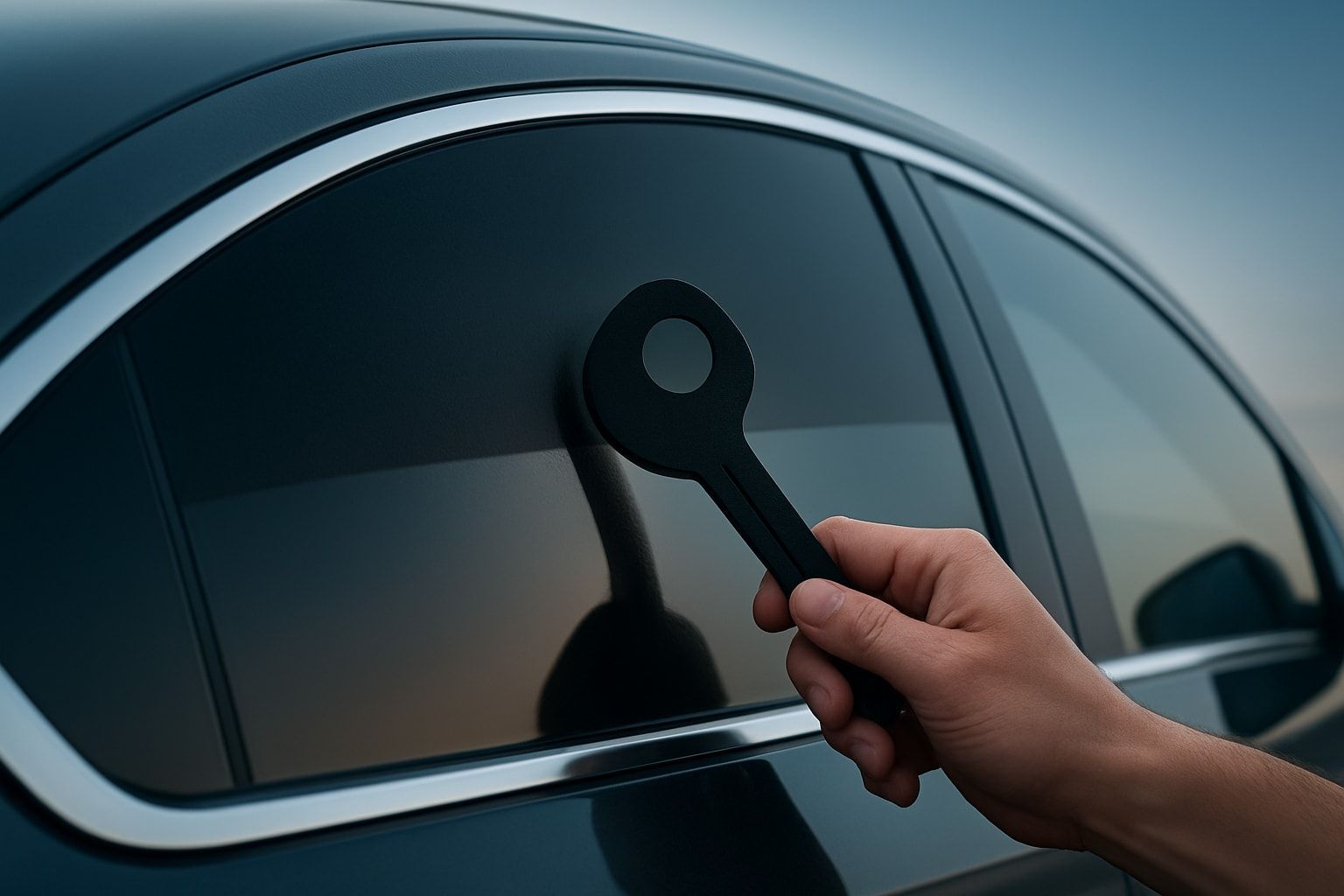
Car window tint is a thin film applied to the inside surface of a vehicle’s glass. This film is designed to block sunlight, filter harmful UV rays, and enhance privacy for occupants.
There are two main types: factory tint and aftermarket tint. Factory tint is typically a colored glass with basic UV protection, while aftermarket tint involves applying a specialized film for higher performance.
The darkness of car window tint is measured by Visible Light Transmission (VLT). For example, a 70% VLT tint allows 70% of visible light to pass through, while a 20% VLT is much darker.
FeatureFactory TintAftermarket TintUV ProtectionModerateHigh (up to 99%)Customization OptionsLimitedExtensiveVLT Range70–80%5–80%
Most new vehicles have some level of UV protection, but aftermarket car window tint can dramatically boost both performance and comfort.
How Window Tint Works
Car window tint is constructed in multiple layers. Typically, there is an adhesive layer, a core layer containing dye, metal, or ceramic particles, and a protective topcoat.
The materials used in car window tint determine how well it rejects UV and infrared heat. For instance, nano-ceramic films can block up to 99% of UV rays and significantly lower interior temperatures.
Car window tint also reduces glare from sunlight and headlights, making driving more comfortable and safer. Enhanced visibility from tint can be especially helpful during bright days or at dusk.
For example, the latest nano-ceramic car window tint options offer impressive clarity while blocking harmful rays and keeping interiors cooler.
Main Benefits of Window Tinting
Choosing car window tint offers several practical benefits:
- Heat reduction: Keeps the cabin significantly cooler, especially during summer.
- UV protection: Shields occupants from skin damage and prevents dashboard and upholstery fading.
- Privacy and security: Makes it harder for outsiders to see inside, deterring theft.
- Shatter resistance: Holds glass fragments together in an accident.
Ceramic car window tint can reduce interior heat by up to 70%, making your vehicle more comfortable and energy efficient.
Common Myths and Misconceptions
Several myths surround car window tint. One common belief is that tint makes night driving dangerous. However, modern clear and ceramic tints provide UV and heat rejection without darkening the glass excessively.
Another misconception is that all tints look and perform the same. In reality, different car window tint films vary in appearance, clarity, and effectiveness.
Some drivers worry about electronic interference. While metallic tints can disrupt GPS or smartphone signals, ceramic car window tint does not have this issue.
For example, choosing a ceramic film ensures no impact on your vehicle’s electronics or connectivity.
The 2026 Perspective: What’s New?
The world of car window tint is rapidly evolving. In 2026, advancements in nano-ceramic and hybrid films offer better performance, clarity, and longevity than ever before.
Sustainability is a new priority, with manufacturers focusing on recyclable materials and eco-friendly processes. Additionally, new state and federal regulations are reshaping legal limits and compliance requirements.
For a detailed look at these emerging technologies and legal trends in car window tint, see Advanced window tinting insights.
Some states now require digital VLT certificates, making it easier to prove compliance during inspections or traffic stops.
Types of Car Window Tint in 2026: Pros, Cons, and Best Uses
Choosing the right car window tint in 2026 involves more than picking a shade. With evolving technology and stricter regulations, understanding the different types is essential. Each tint type has unique benefits, drawbacks, and ideal uses. Below, we break down the main options so you can make an informed decision for your vehicle.
Dyed Film
Dyed film is the most budget-friendly car window tint available in 2026. It features a layer of dye sandwiched between adhesive and polyester. This design offers a dark, uniform look that enhances privacy. Dyed film is popular for its affordability and does not interfere with electronic signals.
However, dyed film tends to fade over time, especially with prolonged sun exposure. Its ability to block heat and UV rays is limited compared to advanced tints. For drivers seeking a low-cost, short-term solution to glare and privacy, dyed film is a practical option.
Metalized Film
Metalized film contains microscopic metal particles embedded within the layers. This construction gives the car window tint a slight metallic sheen and increases durability. Metalized film excels at rejecting heat and blocking UV rays, making it suitable for hot climates and long-term use.
On the downside, the metallic content can interfere with GPS, cell phone, and key fob signals. The shiny appearance may not appeal to everyone. If you prioritize strong heat rejection and shatter resistance, metalized film is a solid choice for your car window tint.
Carbon Film
Carbon film incorporates carbon particles to create a rich, matte finish that adds a premium look to any car window tint. This type effectively blocks up to 99% of harmful UV rays and helps protect your vehicle’s interior from fading. Carbon film does not interfere with electronic signals.
While carbon film offers longer life and better performance than dyed or metalized tints, it is pricier. Its infrared (IR) blocking capability is good but not as advanced as ceramic options. For those seeking a balance of style, durability, and UV protection, carbon film is a top contender.
Ceramic and Nano-Ceramic Film
Ceramic and nano-ceramic films represent the latest advancements in car window tint technology. These tints use non-metallic, non-conductive ceramic particles, delivering exceptional clarity, heat rejection, and UV protection. Nano-ceramic films can block up to 99% of UV and 95% of infrared rays, making them ideal for luxury vehicles and EVs.
Ceramic tints do not interfere with electronics and resist fading over time. The main drawback is cost—these are the most expensive options and typically require professional installation. To explore the latest innovations in this field, the 2026 Window Tinting Industry Report offers valuable insights into emerging car window tint technologies.
Hybrid Film
Hybrid film blends dyed and metalized layers to achieve balanced performance. This car window tint reduces glare, offers moderate heat rejection, and is less reflective than pure metalized films. Hybrid tints are often more affordable than full ceramic or carbon options.
They do not block as much heat or UV as ceramic or carbon films but provide a good middle ground for most drivers. If you want a cost-effective tint with reliable performance and minimal downsides, hybrid film is a practical choice for your car window tint needs.
Specialty and Legal Tints in 2026
In 2026, specialty car window tint options are becoming more mainstream. Smart tints allow drivers to adjust the shade electronically for privacy or clarity, often via smartphone apps. Clear films, nearly invisible, are designed for windshields to block UV and IR rays without darkening the glass.
Legal tints include those for medical exemptions, providing darker protection for drivers with specific health needs. As technology advances, these specialty films continue to push the boundaries of what car window tint can achieve while staying compliant with evolving regulations.
Car Window Tint Laws and Regulations in 2026
Navigating car window tint laws in 2026 is essential for every driver. Regulations have evolved, with new federal guidelines and updated state rules. Understanding these requirements ensures you stay legal, avoid fines, and enjoy the benefits of tinted windows safely.
Understanding VLT and Tint Percentage
Visible Light Transmission, or VLT, is the key measurement for car window tint. VLT refers to the percentage of visible light that passes through your car windows. For example, a 70% VLT means 70% of light enters the vehicle, resulting in a lighter tint, while a lower VLT like 50% produces a darker look.
Each state sets its own legal VLT limits for different windows. Passenger cars often have stricter front window requirements. For a deep dive into one of the most popular legal tint levels, check out this 50 percent tint guide 2026.
Why does this matter? Tint that's legal in one state might be illegal in another. Always check local car window tint laws before installing new film.
2026 Legal Updates: What’s Changed?
The year 2026 brings significant updates to car window tint regulations. Federal guidelines now address front windshield tinting, setting clearer standards on how much tint is allowed for safety and visibility.
Several states have either tightened or relaxed their rules since 2025. For instance, California and New York now require a minimum of 70% VLT for front side windows, making darker tints illegal. Other states, such as Texas and Florida, allow lower VLT for rear windows but set higher limits for windshields.
These changes reflect increased focus on driver safety and law enforcement's ability to see inside vehicles. Always confirm your state's latest car window tint laws before making any changes.
Medical Exemptions and Special Cases
Some drivers require darker car window tint for medical reasons. Qualifying conditions often include lupus, skin cancer, or photosensitivity disorders. If you have a documented medical need, most states allow you to apply for a medical exemption.
The process usually involves submitting a doctor's note, completing a state application, and carrying a certificate in your vehicle. This certificate must be available if stopped by law enforcement.
Remember, exemptions do not grant unlimited tinting. States still set maximum allowable darkness, even for medical exemptions. Always maintain your paperwork to avoid legal issues.
Penalties for Illegal Tint
Failing to comply with car window tint laws can lead to serious consequences. Enforcement officers use VLT meters during traffic stops or annual vehicle inspections to check compliance.
Penalties vary by state. They range from warnings and "fix it" tickets to hefty fines, sometimes up to $1,000. In some cases, repeated violations can result in jail time or mandatory tint removal. For example, Georgia imposes fines up to $1,000 or even 12 months in jail for repeat offenders.
To avoid these penalties, regularly check your car window tint and ensure it meets local standards.
Tint Laws for Different Vehicle Types
Car window tint laws can differ based on vehicle type. Passenger cars, SUVs, minivans, and commercial vehicles each have unique regulations. Front windows typically have stricter VLT limits, while rear and back windows may allow darker tints.
For example, in many states, SUVs and minivans can have nearly blacked-out rear windows, while passenger cars must keep rear window VLT above a set threshold. Windshield tint is usually limited to the top few inches or a specific VLT.
Always verify your vehicle's classification and local requirements to stay compliant.
Staying Compliant When Moving or Traveling
If you move to a new state, your car window tint may no longer meet local laws. Some states require you to adjust your tint to pass safety inspections. Others may issue warnings or citations if your tint is too dark, even if it was legal where you previously lived.
When traveling, law enforcement can stop out-of-state vehicles for non-compliant tint. For example, New York mandates that vehicles failing tint inspection cannot pass annual safety checks.
To avoid problems, research your destination's car window tint laws and make adjustments as needed.
Installation Options: Professional vs. DIY Car Tinting
Choosing how to install car window tint is a crucial decision in 2026. Drivers must weigh the benefits of professional installation against the appeal of tackling the project themselves. Considerations include quality, cost, risk, and long-term satisfaction. This section breaks down both options for modern car owners.
Professional Installation
Professional car window tint installation offers peace of mind and consistent results. Expert technicians use advanced equipment and premium materials tailored to your vehicle's make and model. Most shops complete installations in under two hours, and many provide warranties that cover bubbling, peeling, and fading.
A reputable tint shop guarantees compliance with local regulations and can advise on the latest legal limits for car window tint. Premium installers often offer lifetime warranties and digital VLT certificates for proof of legality. Choosing professional service ensures your car window tint enhances both appearance and protection.
DIY Window Tinting
DIY car window tinting appeals to budget-conscious drivers and enthusiasts who enjoy hands-on projects. Precut tint kits and bulk rolls are widely available, making it easier to achieve a custom fit at home. Essential tools include squeegees, knives, heat guns, and cleaning solutions.
To ensure success, research the installation process carefully. For a detailed walkthrough of pre-cut tint options and installation tips, consult the Essential pre-cut tint guide. While DIY can save money, it demands patience, steady hands, and attention to detail for professional-looking car window tint results.
Cost Comparison: Professional vs. DIY
When comparing car window tint installation costs, professional services typically range from $250 to $500 for sedans, with SUVs and larger vehicles sometimes exceeding $1,000, especially for premium nano-ceramic films. These costs include expert labor, high-grade materials, and warranty coverage.
DIY car window tint kits cost between $50 and $200, depending on film type and vehicle size. While the savings are significant, the risk of bubbles, peeling, or legal issues is higher. Premium films for DIY projects may cost 20% more than standard options, narrowing the price gap between DIY and professional installation.
Common Installation Mistakes and How to Avoid Them
Installing car window tint can be tricky, especially for beginners. The most frequent mistakes include poor surface cleaning, which leads to trapped dust and bubbles, and misalignment or uneven cutting of the film. Rushing the process or skipping steps can result in peeling or reduced effectiveness.
To avoid these pitfalls, always clean windows thoroughly, use the right tools, and follow curing guidelines by not rolling down windows for 3–5 days. Even a single lint particle can compromise the appearance of your car window tint, making attention to detail essential for a durable, flawless finish.
How to Choose a Reputable Tint Shop
Selecting a trustworthy tint shop is vital for maximizing the benefits of your car window tint. Look for shops with industry certifications, positive customer reviews, and a portfolio of completed work. Quality shops will explain local laws, provide VLT certificates, and offer clear warranty terms.
Ask about the types of films available, warranty coverage, and whether the shop ensures compliance with 2026 regulations. A reputable shop should walk you through the process, answer your questions, and deliver paperwork for your records, ensuring your car window tint investment stands the test of time.
Caring for and Maintaining Car Window Tint
Proper care ensures your car window tint remains effective and attractive for years. Following the right aftercare, cleaning, and maintenance routines is essential for maximizing the lifespan and performance of your tint. Let’s break down each step for optimal results.
Immediate Aftercare: The First Week
The first week after installing car window tint is critical for a flawless finish. Avoid rolling down your windows for at least three to five days, as this prevents the film from shifting or peeling while the adhesive cures. Do not clean or touch the film during this period, since even gentle pressure can cause bubbles or marks before the tint has fully set.
You may notice slight haze or small bubbles initially. These are normal and typically disappear as the car window tint cures. Keep your vehicle parked in a shaded area whenever possible to allow for even drying. Following these simple steps helps ensure your tint remains smooth and free of imperfections.
Cleaning and Maintenance Best Practices
Maintaining your car window tint is straightforward but requires some care. Always use ammonia-free glass cleaners, as ammonia can damage the tint film and cause discoloration or peeling over time. Opt for a soft microfiber cloth to avoid scratching or abrading the film surface.
Never use abrasive tools, harsh chemicals, or rough paper towels on tinted windows. Instead, spray cleaner onto the cloth rather than directly on the glass to control moisture and prevent streaking. Regular cleaning helps your car window tint look its best and supports its long-term durability.
Longevity and Warranty Considerations
The expected lifespan of car window tint depends on the film type and installation quality. Standard dyed tints may last up to five years, while advanced ceramic films often provide protection for ten to fifteen years. Many reputable installers offer warranties that cover bubbling, peeling, and fading, with premium shops extending coverage to accidental damage.
Professional installation is usually required for warranty eligibility. For those seeking reliable maintenance or repairs, consider reviewing the 9 essential tint shops 2026 guide to find trusted professionals. This ensures your car window tint investment remains protected and performs as expected.
Signs Your Tint Needs Replacement
Over time, car window tint may show signs that replacement is needed. Fading, bubbling, or peeling are clear indicators that the film is deteriorating. If you notice a purple hue, this often means the dye has broken down, compromising UV protection and appearance.
Reduced heat or UV rejection is another sign of aging tint. Legal compliance is also important. If you move to a new state, check local regulations to confirm your car window tint meets current standards. Addressing these issues promptly maintains your vehicle’s comfort, safety, and style.
Frequently Asked Questions About Car Window Tint in 2026
Thinking about car window tint in 2026? Here are the answers to the most common questions drivers ask.
How dark can I legally tint my windows in 2026?
Legal limits for car window tint vary by state and vehicle type. For example, 2026 Georgia Window Tint Laws Overview explains that front side windows often require a minimum of 32% VLT, while rear windows may allow darker tint. Always check your state’s current regulations.
Does tint affect my car’s resale value?
Quality car window tint can help protect your interior and may boost resale value if installed professionally and kept legal. However, illegal or poorly applied tint can lower value, as buyers may be concerned about removal costs or compliance.
Can I tint my windshield?
Most states only allow a tinted strip at the top of the windshield, typically above the AS-1 line. Some newer clear films are permitted for UV protection, but dark tint across the entire windshield is usually prohibited.
Will tint interfere with my electronics?
Certain types of car window tint, like metallic films, can disrupt GPS, cell signals, or key fobs. Ceramic and carbon tints do not interfere with electronics, making them a popular choice for modern vehicles.
How do I remove old or illegal tint?
Removing car window tint involves carefully heating and peeling the film, then cleaning adhesive residue with specialized products. For stubborn or large areas, professional removal is recommended.
Is window tinting covered by insurance?
Most standard auto insurance policies do not cover damage to aftermarket car window tint. However, some comprehensive plans or add-on riders may provide coverage for theft or vandalism.
Are there eco-friendly or recyclable tint options available now?
Yes, the car window tint industry in 2026 offers several sustainable options, including films made from recyclable materials and manufacturing processes with reduced environmental impact.
Can I get a medical exemption for darker tint?
Drivers with specific medical conditions, like lupus or skin cancer, may qualify for a medical exemption allowing darker car window tint. You must carry official documentation in your vehicle as proof.
What’s the difference between cheap and premium tint?
Budget tints may fade, bubble, or offer minimal UV protection. Premium options, such as nano-ceramic films, provide superior heat rejection, durability, and clarity.
How do I know if my tint is still legal after moving?
When relocating, review your new state’s car window tint laws. Non-compliant tint could result in inspection failure or fines, so consider re-measuring VLT and updating your film if needed.
After exploring all the ins and outs of car window tinting in 2026—from the latest technologies to legal updates and the benefits for your comfort and safety—you’re now equipped to make a smart decision for your vehicle. If you’re looking for expert installation, advanced protection, and long lasting results, Lewolf Window Tint and Film Solutions in Magnolia, TX is here to help. Whether you need UV defense, glare reduction, or enhanced security, you deserve peace of mind every time you drive. Ready to upgrade your ride and safeguard what matters most?
Get Protected Today