
13 min readBy Joshua Leleux
Table of Contents
- What Auto Window Tinting Is and Why Local Installation Matters
- Auto Window Tinting Cost: What to Expect When Getting a Quote
- Understanding Car Window Tint Percentage and Legal Requirements
- Film Types: Dyed, Carbon, and Ceramic Window Tint for Cars
- Window Tint Curing Time and Aftercare Instructions
- How to Choose a Local Auto Tinting Installer
- Benefits of Professional Auto Window Tinting
- Finding and Booking an Auto Tinting Service Near You
- Frequently Asked Questions
Last Updated: October 12, 2026
What Auto Window Tinting Is and Why Local Installation Matters
Auto window tinting is the application of a thin, adhesive film to vehicle windows to reduce heat, block ultraviolet rays, and enhance privacy. Unlike off-the-shelf static cling products, professional auto window tinting involves precision installation by trained technicians using premium films engineered for durability and performance.
When you choose auto window tinting near you, you're investing in more than appearance. A local installer brings accountability, warranty support, and the ability to address issues quickly. Working with experienced technicians in your area can eliminate shipping delays and ensure your vehicle receives hands-on quality control from start to finish.
The difference between a professional installation and a DIY attempt is significant. Professional auto window tinting creates an imperceptible seal with no bubbles, peeling edges, or imperfections.
Auto Window Tinting Cost: What to Expect When Getting a Quote
Auto window tinting cost varies based on vehicle size, film type, and the number of windows being treated. A sedan typically costs less than an SUV or truck because there's less glass surface area. The film grade you select, dyed, carbon, or ceramic, also directly affects pricing.
When you request a quote for auto window tinting, expect the installer to ask about your vehicle's year, make, and model. This determines the complexity of the installation. Some vehicles have curved glass or complex window shapes that require more labor.
The best approach is to contact local auto tinting providers for specific pricing. Most shops offer free consultations and written quotes. This lets you compare options without obligation. At LeWolf Window Tint & Film Solutions, we provide transparent quotes that break down film cost and labor.
Understanding Car Window Tint Percentage and Legal Requirements
Car window tint percentage refers to the amount of light that passes through the film, measured as Visible Light Transmission (VLT). A 50% tint allows half the light through; a 20% tint is much darker and blocks 80% of incoming light. Legal tint percentages vary significantly by state.
Most states allow darker tints on rear and side windows but restrict front windshield tint to preserve driver visibility. Some states permit 35% tint on front side windows, while others allow as little as 20%.
Before you choose a tint shade for your auto window tinting project, verify your state's legal limits. An installer who knows local regulations can guide you to the darkest legal option for your preferences. Installing illegal tint can result in fines, failed inspections, and mandatory removal.
Film Types: Dyed, Carbon, and Ceramic Window Tint for Cars
Dyed Film: Affordable Appearance and Light Reduction
Dyed film is the most affordable window tint option. It consists of a layer of dye sandwiched between adhesive and a protective outer layer. Dyed film absorbs light, reducing glare and heat to a moderate degree.
The primary advantage of dyed film is cost. It's an accessible entry point for drivers who want basic privacy and glare reduction without premium pricing. Dyed film performs adequately for vehicles in cooler climates or those parked in garages most of the time.
The trade-off is longevity. Dyed film can fade over 3-5 years, especially in vehicles exposed to intense sun. The dye degrades, and the film may turn purple or blue. For drivers seeking long-term performance, carbon or ceramic films are better investments.
Carbon Film: Heat Rejection and Durability
Carbon film contains carbon particles suspended in the film's layers. This construction provides superior heat rejection compared to dyed film, typically 40-50% heat reduction. Carbon film also resists fading much longer than dyed options.
The appearance of carbon film is distinctive. It has a matte finish that looks sleek and professional. Many car owners prefer this aesthetic because it doesn't have the purple tint associated with aged dyed film.
Carbon film costs more than dyed but less than ceramic. For drivers who want meaningful heat reduction and durability without the premium price tag, carbon film strikes a practical balance. It's a popular choice for daily drivers in warm climates.
Ceramic Film: Premium Performance and Longevity
Ceramic window tint for cars uses advanced ceramic particles that don't conduct heat or interfere with electronic signals. This film type offers the highest heat rejection, often 50-70% depending on the grade.
Ceramic film maintains its clarity and color indefinitely. It won't fade, turn purple, or degrade over time. The film is also non-metallic, so it doesn't interfere with GPS, cell signals, or radio reception, an important consideration for modern vehicles with integrated technology.
The cost of ceramic window tint for cars is higher than dyed or carbon options. However, the lifespan and performance justify the investment for owners of luxury vehicles or those planning to keep their car long-term.
Window Tint Curing Time and Aftercare Instructions
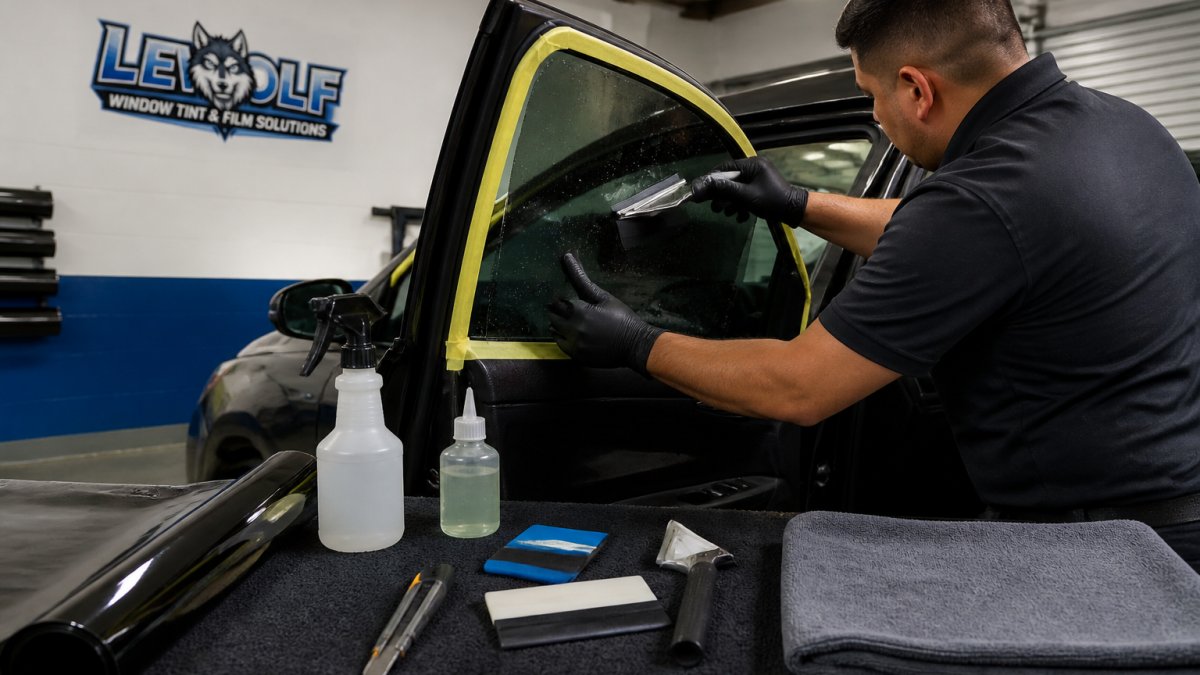
Window tint curing time is the period during which the adhesive fully sets and bonds to the glass. This process typically takes 24-72 hours depending on temperature, humidity, and film type.
Aftercare during the curing period is critical. Do not roll down windows or expose the tinted glass to water for at least 48 hours. Moisture can interfere with the adhesive bond and cause bubbling or peeling. Avoid washing the vehicle or exposing it to heavy rain during the first few days.
After the curing window tint time has elapsed, you can resume normal use. Clean the windows gently with a soft cloth and mild soap solution. Avoid abrasive cleaners or rough materials that could scratch the film. Proper maintenance extends the life of your tint and keeps it looking sharp for years.
How to Choose a Local Auto Tinting Installer
Verify Certifications and Experience
When searching for auto window tinting near you, prioritize certified installers. Look for 3M Certification, which indicates the technician has completed formal training and passed competency testing. Certification programs cover proper film application, heat shrinking, and troubleshooting.
Experience matters significantly. An installer with experience in the field has encountered countless vehicle types and learned how to handle edge cases. Ask potential installers about their background and the types of vehicles they've worked on. Someone who regularly installs tint on luxury vehicles or complex window configurations brings valuable expertise.
At LeWolf Window Tint & Film Solutions, our team combines three decades of experience with current certifications. We've worked on everything from standard sedans to high-security government vehicles and school district buses. This breadth of experience means we can handle your project with precision.
Check Reviews and Ask About Warranty
Customer reviews provide insight into an installer's reliability and quality. Look for consistent five-star ratings and comments about professionalism, cleanliness, and attention to detail. A few negative reviews are normal, but patterns of complaints about bubbles, peeling, or poor communication are red flags.
Ask about warranty coverage before booking. Most reputable installers offer warranties covering defects like bubbling, peeling, or delamination. Understand what the warranty covers and what it doesn't. Some warranties exclude damage from accidents or improper aftercare, which is reasonable.
Verify that the installer carries liability insurance. This protects you if damage occurs during installation. A professional shop will provide proof of insurance without hesitation. This is a non-negotiable mark of a legitimate operation.
Benefits of Professional Auto Window Tinting
Heat Rejection and UV Protection
Professional auto window tinting reduces interior cabin temperature by blocking infrared radiation. Quality ceramic films reject 50-70% of solar heat, which translates to lower air conditioning load and reduced fuel consumption. On hot days, your vehicle stays noticeably cooler, improving comfort and reducing strain on your cooling system.
Ultraviolet protection is another critical benefit. UV rays damage interior materials, leather cracks, plastics fade, and dashboard trim becomes brittle. Quality window tint blocks 99% of UV rays, preserving your vehicle's interior condition. This protection extends the life of seats, steering wheels, and dashboard components.
The cumulative effect of heat rejection and UV protection is significant. Your vehicle maintains its resale value longer because the interior doesn't show the wear associated with sun damage. Leather and trim stay supple and vibrant instead of faded and cracked.
Glare Reduction and Driving Comfort
Glare from sunlight bouncing off roads, water, or other vehicles creates eye strain and reduces visibility. Auto window tinting reduces glare substantially, making driving more comfortable and safer. You'll notice reduced squinting and less fatigue on long drives, especially during early morning or late afternoon when sun angles are low.
Reduced glare also improves safety. When your eyes aren't strained from bright sunlight, you react faster to hazards. Your peripheral vision remains sharp instead of being washed out by bright reflections. This benefit is particularly valuable during rush hour or highway driving.
Privacy and Vehicle Appearance
Tinted windows provide privacy by limiting visibility into your vehicle from outside. Passengers feel more secure, and personal belongings are less visible to potential thieves. This is especially valuable for vehicles parked in public areas or left unattended for extended periods.
From an aesthetic standpoint, auto window tinting enhances your vehicle's appearance. A professionally installed tint creates a sleek, finished look that complements any paint color. The uniform appearance signals that your vehicle is well-maintained and cared for.
Finding and Booking an Auto Tinting Service Near You
Start your search by identifying auto window tinting providers in your area. Search online for "window tint near me" or "auto tinting [your city]" to find local shops. Review their websites, customer ratings, and service offerings.
Call or visit 2-3 shops to get quotes and assess professionalism. Pay attention to how they answer questions and whether they explain options clearly.
When you're ready to book, confirm the appointment date and ask about preparation. Most shops ask you to park your vehicle and leave it for 2-4 hours depending on the scope of work.
LeWolf Window Tint & Film Solutions makes booking straightforward. We provide free consultations to discuss your vehicle, preferred tint shade, and film options.
Choosing professional auto window tinting transforms your vehicle's comfort, appearance, and protection. The right installer combines technical skill, quality materials, and customer service to deliver results that last.
Frequently Asked Questions
What is the difference between dyed, carbon, and ceramic window tint?
Dyed film is the most affordable option, offering privacy and light reduction but minimal heat rejection. Carbon film provides better heat rejection and UV protection without the reflective appearance of older films. Ceramic window tint for cars delivers premium performance with superior heat rejection, UV blocking, and longevity without interfering with electronics. Your choice depends on your budget, climate, and performance priorities.
How long does window tint curing time take before I can use my windows?
Window tint curing time typically ranges from 24 to 72 hours, depending on humidity, temperature, and film type. During this period, avoid rolling down windows, washing the vehicle, or exposing tinted glass to direct sunlight. Following your installer's aftercare instructions ensures the film bonds properly to the glass and prevents peeling or bubbling. Your professional installer will provide specific guidance based on current conditions.
How much does auto window tinting cost?
Auto window tinting cost depends on vehicle type, window size, number of windows, and film quality you select. Dyed film is the most budget-friendly, while ceramic window tint for cars commands a premium price due to superior performance. Get a quote from a local professional installer who can assess your specific vehicle and recommend the best film for your needs and budget.
Is window tint legal in my state?
Tint darkness and placement regulations vary by state. Most states allow darker tint on rear and side windows but restrict front windshield and driver-side window tint to maintain visibility. Check your state's Department of Motor Vehicles website for specific car window tint percentage limits. A reputable local tinting shop can advise you on legal limits and help you stay compliant while achieving your privacy and comfort goals.