
13 min readBy Joshua Leleux
Table of Contents
- What Is Ceramic Window Tint?
- Ceramic vs Carbon Window Tint: Key Differences
- Heat Rejection and Infrared Protection
- UV Ray Protection and Interior Fading Prevention
- Signal Interference: Debunking the Myth
- How to Choose the Right Window Tint Percentage
- Ceramic Window Tint Cost and Long-Term Value
- Is Ceramic Tint Worth the Investment?
- Frequently Asked Questions
Last Updated: September 21, 2026
What Is Ceramic Window Tint?
Ceramic window tint is a premium film made from nano-ceramic particles suspended in a polyester base. Unlike older tint technologies, ceramic tint doesn't contain metal or dye that interferes with electronics. This makes it the modern choice for heat rejection, UV protection, and signal clarity.
The film works by absorbing infrared radiation before it enters your vehicle or home. Nano-ceramic particles are incredibly small, invisible to the naked eye, but powerful enough to block up to 99% of ultraviolet rays and reject significant heat without darkening your windows excessively.
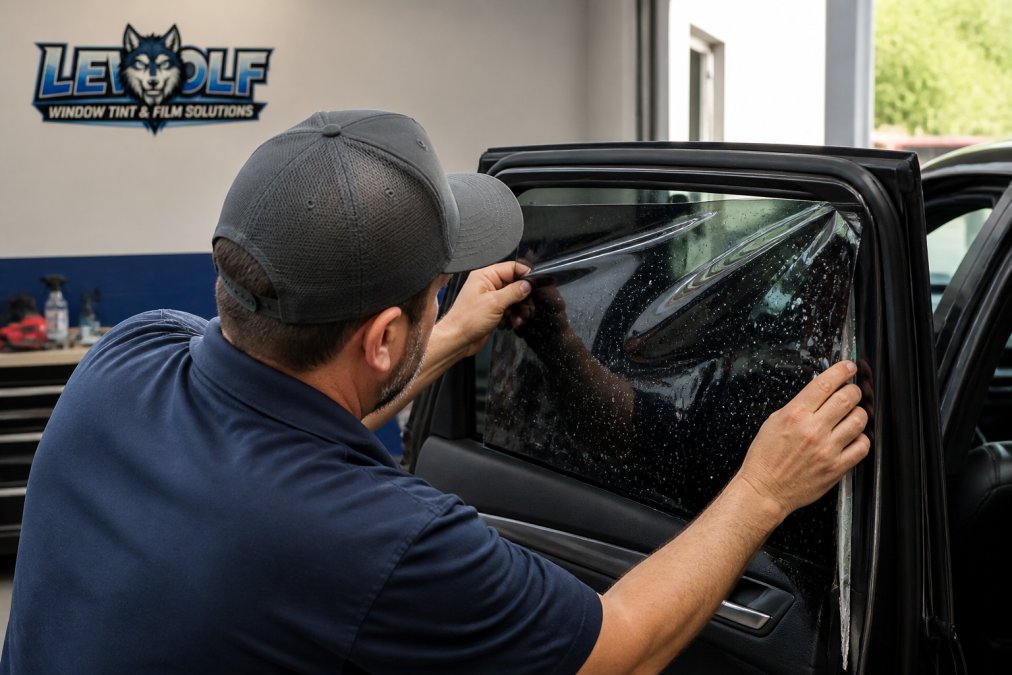
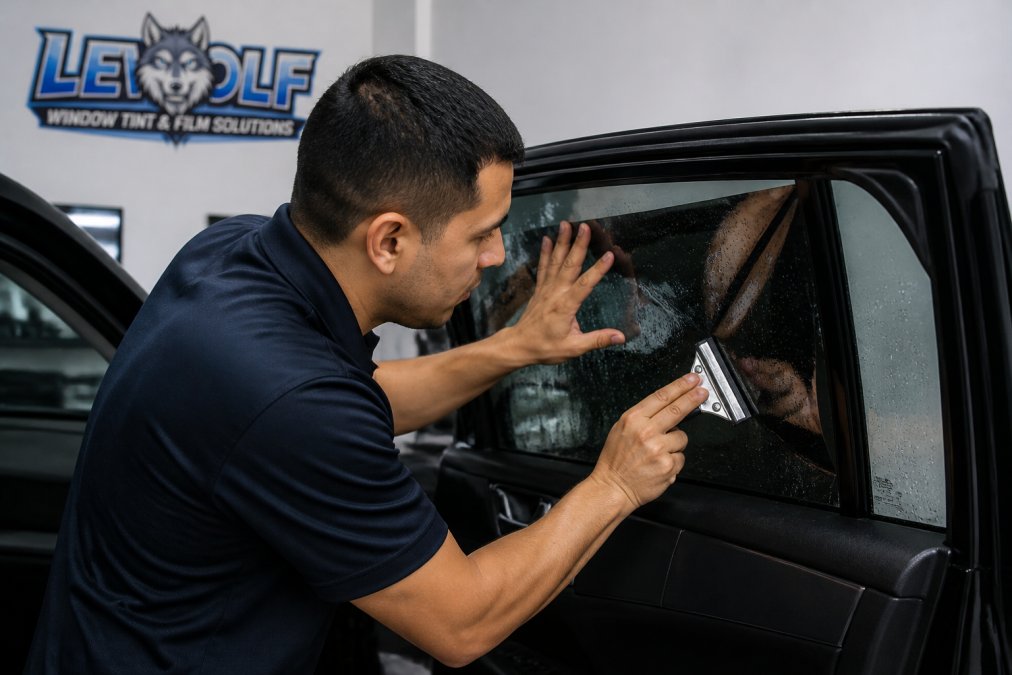
LeWolf Window Tint & Film Solutions provides premium auto window film, paint protection film, and ceramic coating services for automotive, residential, and commercial clients. The technology delivers three things people actually care about: cooler interiors, protected furnishings, and uninterrupted phone and GPS signals.
Most homeowners and car owners first notice the difference in summer. A ceramic-tinted car stays noticeably cooler. A ceramic-tinted window prevents furniture and artwork from fading. These aren't marketing claims, they're physics.
Ceramic vs Carbon Window Tint: Key Differences
The difference between ceramic, carbon, and dyed tints comes down to what's actually in the film. Each type blocks heat differently, costs differently, and lasts differently.
Dyed tint uses organic dyes to darken windows. It's the cheapest option but fades quickly, usually within 2-3 years in strong sunlight. It provides minimal heat rejection and no UV protection worth mentioning.
Carbon tint uses carbon particles to block heat. It's better than dye but still fades over time. Carbon doesn't interfere with electronics, which is an improvement, but it doesn't reject as much heat as ceramic.
Ceramic tint uses nano-ceramic particles. It doesn't fade, doesn't interfere with signals, and rejects more heat than either alternative. It costs more upfront but lasts 10+ years.
How Nano-Ceramic Particles Work
Nano-ceramic particles are so small that light passes through them without scattering. This means ceramic tint maintains optical clarity, you can see out clearly even when the tint is dark. The particles absorb infrared radiation (heat) before it crosses the film.
Think of it this way: infrared radiation carries heat energy. Ceramic particles intercept that energy and convert it to negligible amounts of heat that dissipate through the film. The result is a cooler interior without the haze or distortion that older films created.
The non-conductive nature of ceramic particles means they don't block radio frequencies, cellular signals, or GPS. Your phone works normally. Your car's navigation system works normally. This is why ceramic tint became standard in luxury vehicles first, owners weren't willing to sacrifice connectivity for comfort.
Comparison With Dyed and Metallic Films
Dyed films use organic colorants. They're affordable but absorb heat rather than rejecting it, making your interior warmer over time. Dyed tint also fades noticeably within 2-3 years because UV exposure breaks down the dye molecules.
Metallic films use aluminum or other metals to reflect heat. They work reasonably well but create a mirror-like appearance that some people dislike. More importantly, metallic particles can interfere with cell phone signals, GPS, and car electronics. Many vehicle manufacturers void warranties if you install metallic tint.
Ceramic tint avoids all these problems. It rejects heat without reflecting it (no mirror effect). It doesn't fade. It doesn't interfere with signals. The trade-off is cost, ceramic tint runs 2-3 times more expensive than dyed film, but the longevity and performance justify the investment for most applications.
Heat Rejection and Infrared Protection
Heat rejection is where ceramic window tint proves its value. Infrared radiation (IR) carries most of the sun's heat energy. Ceramic tint blocks 50-80% of infrared radiation depending on the specific product and darkness level.
Your car's interior temperature drops noticeably after installation. A ceramic-tinted vehicle parked in direct sun stays cooler than an untinted vehicle. This matters for two reasons: comfort and preservation. You spend less energy running air conditioning. Your dashboard, steering wheel, and upholstery don't degrade as quickly from heat exposure.
Residential windows benefit the same way. A room with ceramic window tint stays cooler in summer, reducing air conditioning costs. The thermal insulation effect also works in winter, the film helps retain interior heat, lowering heating costs slightly.
The mechanism is simple: infrared radiation hits the ceramic particles. The particles absorb that radiation and convert it to heat. Most of that heat radiates back out through the film rather than passing into your vehicle or home. The result is measurable temperature reduction without sacrificing visibility.
UV Ray Protection and Interior Fading Prevention
Ultraviolet rays cause interior fading. Furniture, artwork, leather, and dashboard materials all deteriorate when exposed to unfiltered sunlight. Ceramic window tint blocks 99% of UV rays, essentially stopping this degradation process.
This matters more than most people realize. A car interior left untinted for years shows significant fading on the dashboard and seat surfaces. A home with untinted windows experiences the same problem, artwork fades, upholstery discolors, wood floors bleach.
Ceramic tint provides the same UV protection as sunscreen provides for skin. The particles block the damaging wavelengths before they reach interior surfaces. Over 10 years, this protection preserves the appearance and value of your vehicle or home furnishings.
The UV protection is permanent. Unlike sunscreen that wears off, ceramic tint maintains its UV-blocking capability for the entire lifespan of the film. This is one reason why professional installation matters, a properly installed ceramic film will protect your interior for a decade or more.
Signal Interference: Debunking the Myth
A common concern is that window tint blocks cell phone signals, GPS, or radio reception. This was true with older metallic tints. Ceramic tint is different.
Ceramic particles are non-conductive and non-metallic. They don't block radio frequencies. Your cell phone signal passes through ceramic tint without degradation. Your GPS works normally. Your car's electronics function exactly as they did before installation.
This is a critical distinction between ceramic and metallic films. Metallic tint can reduce signal strength by 5-10%. Ceramic tint has no measurable effect on signal quality. This is why vehicle manufacturers accept ceramic tint, while many explicitly prohibit metallic tint.
If you're concerned about signal strength, ceramic is the only choice. Dyed tint also doesn't interfere with signals, but it fades quickly and provides minimal heat rejection. Ceramic gives you signal clarity plus superior performance.
How to Choose the Right Window Tint Percentage
Window tint darkness is measured by Visible Light Transmission (VLT). VLT percentage tells you how much visible light passes through the film. Lower VLT means darker tint.
Understanding VLT and Legal Requirements
VLT is expressed as a percentage. A 70% VLT film allows 70% of visible light to pass through. A 20% VLT film allows only 20% of visible light through, it's much darker.
Legal limits vary by state and by window position. Front windshields typically must allow more light through (usually 70% VLT or higher) to maintain driver visibility. Side windows and rear windows have more flexibility. Some states allow 20% VLT on rear windows. Others require 35% or higher.
Check your state's specific regulations before choosing a tint percentage. Installing illegal tint can result in fines and mandatory removal. LeWolf Window Tint & Film Solutions can advise on legal limits for your location and help you choose a darkness level that complies with regulations while meeting your privacy and heat-rejection goals.
Daytime Visibility vs. Nighttime Visibility
Darker tint (lower VLT) provides more privacy and heat rejection but reduces visibility at night. A 20% VLT film looks nearly opaque from outside during the day but allows you to see clearly from inside. At night, the same film reduces your outward visibility.
For vehicles, the practical range is 20-35% VLT on side windows.
Ceramic Window Tint Cost and Long-Term Value
Ceramic window tint costs more than dyed or carbon alternatives. Pricing depends on several factors: the number of windows, the size of each window, the VLT percentage you choose, and local labor costs.
Professional Installation vs. DIY Risks
DIY ceramic tint application sounds appealing because it eliminates labor costs. The reality is more complicated.
Durability and Scratch-Resistant Coatings
Quality ceramic window tint lasts without fading, peeling, or significant performance degradation. Premium films include scratch-resistant coatings that protect the surface from minor damage.
Is Ceramic Tint Worth the Investment?
For most people, the answer is yes. Here's why:
Heat rejection saves money on air conditioning over time. A ceramic-tinted vehicle stays cooler. A ceramic-tinted home reduces cooling costs. These savings accumulate over years.
Frequently Asked Questions
Is ceramic tint better than regular tint?
Ceramic window tint outperforms dyed and metallic films in several ways. It rejects more infrared heat without metallic particles that interfere with GPS, radio, and cellular signals. Ceramic tint also resists fading, scratches, and discoloration over time, making it a premium choice for long-term protection and optical clarity.
How long does ceramic window tint last?
Quality ceramic window tint typically lasts longer when professionally installed and properly maintained. The nano-ceramic particles resist degradation from ultraviolet rays and thermal stress better than dyed or metallic alternatives. Lifespan depends on climate exposure, vehicle use, and the specific product grade you choose.
Does ceramic tint block heat better than dyed film?
Yes. Ceramic tint rejects significantly more infrared radiation than dyed film, which primarily blocks visible light. This superior heat rejection means lower cabin temperatures, reduced air conditioning load, and greater thermal comfort. For vehicles and homes in hot climates, ceramic's infrared rejection capability delivers measurable energy savings.
What VLT percentage should I choose for my vehicle or home?
VLT (Visible Light Transmission) percentage determines how much light passes through the tint. Legal limits vary by state and vehicle type; front windows typically require 70% VLT or higher, while rear windows allow darker shades. Choose based on privacy needs, glare reduction goals, and local regulations. Professional installers can help you select the right shade while staying compliant.