Guide to Understanding Active Shooter Film in 2026
Guide to Understanding Active Shooter Film in 2026
In 2026, the topic of active shooter film stands at the forefront of public and professional safety discussions. With recent statistics showing a continued rise in active shooter incidents across schools and businesses, understanding effective protective measures is crucial.
This guide aims to clarify what active shooter film is and why it matters. We will explore its technology, practical applications, and how it supports modern security strategies. You will gain insights into its evolution, the different types available, and its measurable impact in real-world settings.
Curious about how these films work, their benefits, and how to implement them? Read on to discover how active shooter film can enhance safety for your organization or community.
What is Active Shooter Film?
The term "active shooter film" has become central to modern building security, especially in the wake of rising threats. These specialized films are designed to offer a critical layer of defense during active shooter incidents, giving occupants and first responders invaluable extra time.
Definition and Core Purpose
Active shooter film is a highly engineered security window film created to strengthen glass and delay forced entry during active shooter events. Unlike standard window films, its primary role is to resist intense, targeted attacks, such as those from firearms or blunt objects, rather than just accidental impacts.
These films use advanced layering, often combining thick polyester with proprietary adhesives and sometimes additional polycarbonate shields. The result is a barrier that holds glass together under extreme force, making it much harder for an attacker to breach quickly.
Industry experts use terms like "ballistic film," "forced-entry film," and "active shooter mitigation film" to describe these solutions. While sometimes confused with safety film, active shooter film is specifically engineered for life-threatening situations. For example, products like 3M™ Scotchshield™, DefenseLite™, and BulletShield™ are now common choices for schools, hospitals, and commercial buildings.
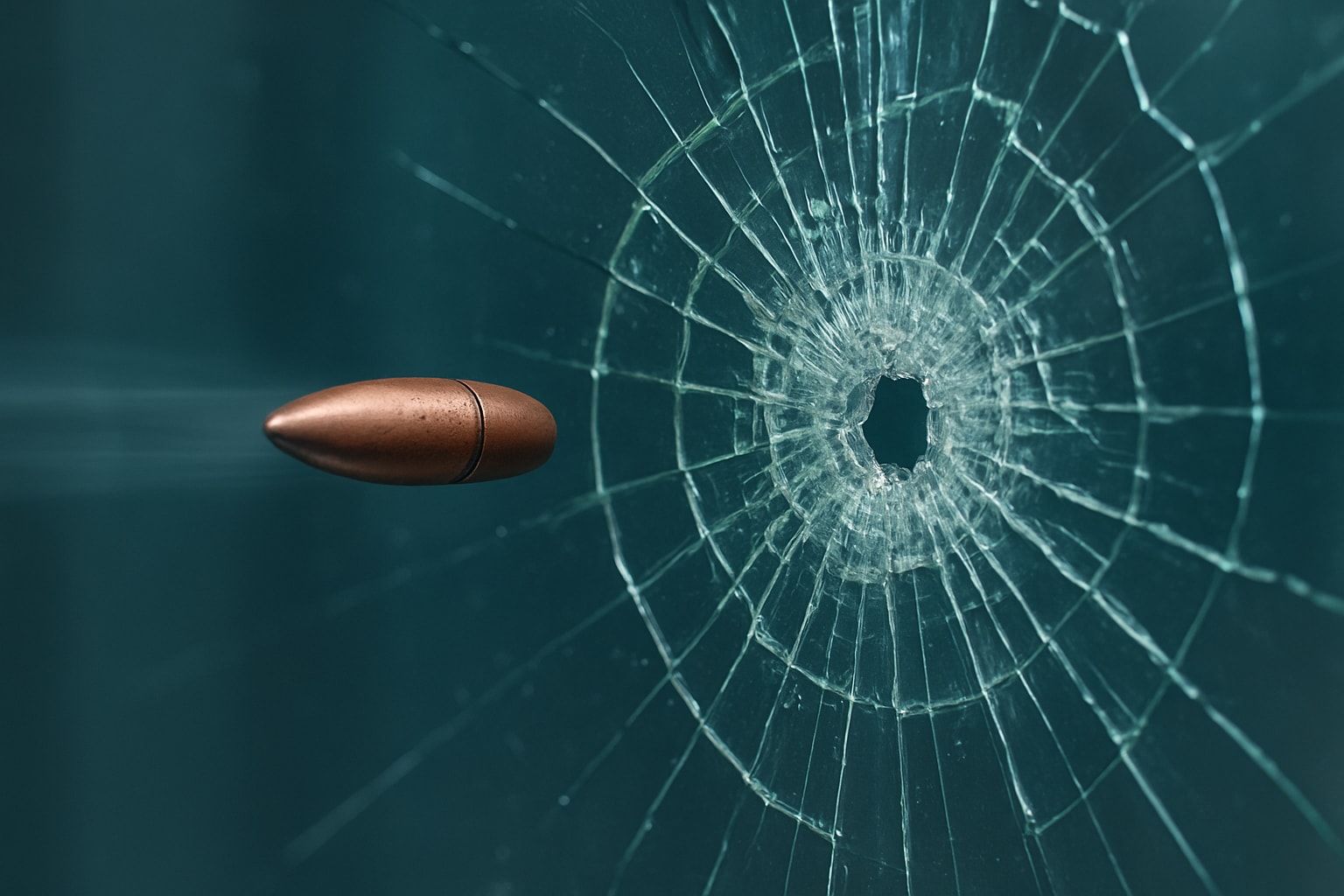
A vital point: active shooter film is not bulletproof. Instead, it is ballistic-resistant or forced-entry resistant. This means it can absorb and distribute energy from impacts, helping to prevent glass from shattering instantly. By delaying entry, it buys precious minutes for lockdowns and law enforcement response, which can be lifesaving.
Demand for active shooter film has surged since 2020, particularly in the United States. High-profile incidents in schools and workplaces have driven organizations to seek effective, affordable ways to upgrade security. According to industry data, installations of these films have increased year over year as both public and private sectors prioritize occupant safety.
To learn more about the science and benefits of ballistic-resistant window films, see this Ballistic film for window security guide.
How Active Shooter Film Differs from Other Security Films
Active shooter film stands apart from other security films in both design and function. Standard safety films are usually intended to prevent injury from accidental glass breakage or minor impacts. Anti-smash and grab films focus mainly on deterring theft by making it harder to break through storefront windows. Blast mitigation films are engineered to reduce hazards from explosions.
In contrast, active shooter film uses multi-layered construction and advanced adhesives specifically tailored for resisting violent, targeted attacks. These films are thicker, often with additional polycarbonate or overglaze shields that add even more protection.
For example, a middle school that installed DefenseLite panels found that the film preserved the building’s appearance while making it nearly impossible for an intruder to gain rapid entry. The extra time provided by active shooter film is crucial for initiating emergency protocols and allowing authorities to respond.
The table below summarizes key differences:
Film TypePrimary PurposeConstructionTypical Use CasesSafety FilmAccident/injury preventionBasic polyester layersResidential, commercialAnti-Smash & GrabTheft deterrenceModerate thicknessRetail, storefrontsBlast MitigationExplosion hazard reductionMulti-layered, flexibleGovernment, high-risk sitesActive Shooter FilmForced-entry delay, securityAdvanced layers, adhesives, polycarbonateSchools, hospitals, offices
Understanding these distinctions is vital for choosing the right protection. Active shooter film is a specialized solution developed in response to evolving threats, offering a unique combination of strength and strategic delay that other films cannot match.
How Active Shooter Film Works: Technology and Mechanisms
Understanding how active shooter film operates requires a close look at its advanced engineering and real-world functionality. These films are not just simple plastic layers—they are specialized security solutions designed to protect occupants and assets during critical incidents. Let’s break down the technology and mechanisms that make active shooter film a vital part of modern building safety.
Composition and Material Science
Active shooter film is engineered using a combination of high-strength polyester layers and specialized adhesives. These layers are often micro-layered, which means dozens or even hundreds of ultra-thin sheets are bonded together to form a single, cohesive barrier. This micro-layered construction is key—it allows the film to flex and stretch when struck, distributing the impact energy across a wider area.
In higher-security applications, active shooter film may be paired with polycarbonate shields or overglaze systems, such as DefenseLite or BulletShield. These add-ons mount over existing glass, providing an extra layer of forced-entry resistance. The film bonds directly to the glass surface, forming a unified structure that is much stronger than untreated glass.
A typical film system includes:
- Multiple layers of polyester for tensile strength
- Proprietary adhesives for maximum glass adhesion
- Optional polycarbonate or acrylic shields for added defense
This advanced composition transforms standard glass into an active component of building security. The result is a barrier that holds together under intense force, a core function of active shooter film that distinguishes it from basic window treatments.
Mechanisms of Protection
When an assailant attempts to breach a window or door protected by active shooter film, the response is immediate and effective. The film’s layered structure absorbs and disperses the energy from impacts, whether caused by bullets or blunt objects. Instead of shattering instantly, the glass cracks but remains largely intact, held together by the film.
Here’s how the mechanism works step-by-step:
- The glass is struck by force.
- The film flexes, stretching rather than tearing.
- Impact energy spreads throughout the film’s layers.
- Glass fragments are contained, preventing immediate entry.
This delay is critical. Manufacturer and independent tests show that active shooter film can add precious minutes to a forced-entry scenario—time that can mean the difference between chaos and a successful lockdown. For example, some systems have been documented to withstand repeated strikes for up to three minutes or more, significantly extending response windows for law enforcement and building occupants.
For a deeper dive into these impact-resistant properties and how they translate to real-world protection, see the impact-resistant film benefits guide.
Limitations and Misconceptions
It is important to clarify that active shooter film is not “bulletproof.” Instead, these films are classified as “ballistic-resistant” or “forced-entry resistant.” This means they are designed to slow down or deter an attacker, not stop bullets entirely. The film’s main purpose is to delay entry, providing time for emergency protocols to activate.
Common misconceptions include the belief that any window film will offer the same level of protection. In reality, only films tested and certified for active shooter scenarios can deliver the enhanced performance required. Additionally, active shooter film should always be part of a layered security approach, used alongside alarms, reinforced doors, and emergency training.
By addressing these limitations, organizations can make informed decisions about their security strategy and set realistic expectations for the role of active shooter film in overall building safety.
Key Benefits and Use Cases in 2026
Active shooter film is transforming how organizations protect their spaces in 2026. The technology is now a core element in proactive safety planning, delivering both peace of mind and practical defense against evolving threats. Below, we explore how this solution is being used across different environments, its measurable impact, additional advantages, and considerations for implementation.
Enhanced Security in Vulnerable Locations
Active shooter film is especially vital in locations historically targeted for forced entry. Schools remain a top priority, as administrators seek ways to slow or stop intruders. By installing active shooter film on windows and doors, schools can support lockdown procedures, giving staff and students extra time to respond.
Office buildings and government facilities are also embracing this technology. Executive offices and high-traffic lobbies benefit from the added layer of protection, helping to safeguard both personnel and sensitive assets. Retailers and public venues use active shooter film to deter smash-and-grab attacks and armed intrusions, minimizing potential losses and injuries.
A notable example is a middle school that deployed DefenseLite panels. These installations maintained the building’s original appearance while significantly increasing its ability to withstand forced entry. This demonstrates the flexibility and effectiveness of active shooter film across diverse sectors.
Real-World Effectiveness and Response Time
What sets active shooter film apart is its proven ability to delay unauthorized entry. Manufacturer and law enforcement feedback consistently highlight how these films add precious minutes during emergencies. According to independent tests, active shooter film can extend the time it takes for an intruder to breach glass barriers, which can be crucial for enacting lockdowns or awaiting police response.
For instance, hospitals and educational institutions that have adopted these systems report measurable improvements in emergency preparedness. As detailed in this 3M™ Safety & Security Window Film effectiveness article, installations have been shown to increase response windows, often making the difference between safety and tragedy.
Real-world case studies, such as those highlighted by Window Film Depot, reveal that minutes gained by active shooter film can save lives. By delaying entry, these solutions provide critical time for occupants to move to safety and for law enforcement to intervene.
Additional Benefits Beyond Active Shooter Scenarios
Beyond its core security function, active shooter film offers several secondary benefits. During severe weather events, such as storms or explosions, the film’s shatter resistance helps protect occupants from flying glass. This feature is especially valuable in regions prone to natural disasters.
Many active shooter film products also block harmful UV rays, contributing to energy efficiency and preserving interior furnishings. Compared to full glass replacement or the installation of ballistic glass, active shooter film is a cost-effective upgrade. Organizations can enhance safety without major construction or disruption.
The versatility of active shooter film means it serves multiple protective roles, making it a smart investment for future-ready facilities.
Aesthetic and Practical Considerations
One of the leading advantages of active shooter film is its ability to maintain building aesthetics. Unlike bulky security barriers, these films are virtually invisible, preserving clear views and natural light. This is particularly important for schools and offices that prioritize a welcoming atmosphere.
Customization is another key feature. Active shooter film can be tailored to fit various window sizes and architectural styles, ensuring seamless integration with existing designs. Whether applied to historic buildings or modern glass facades, the film delivers both protection and visual appeal.
Facilities managers and architects appreciate that active shooter film does not compromise the look or functionality of their properties. Instead, it enhances safety while supporting everyday usability.
Lewolf Window Tint and Film Solutions: Expert Installation & Nationwide Service
Lewolf Window Tint and Film Solutions stands out as a leader in active shooter film installation and consulting. Their team specializes in ballistic-resistant and forced-entry security films, offering nationwide service for schools, businesses, and public organizations.
Lewolf employs advanced systems like C-Bond BRS to maximize glass strength and resistance. Clients benefit from professional installation, clear communication, and robust warranty coverage. The company provides free estimates and competitive pricing, making active shooter film accessible to a wide range of clients.
For organizations seeking advanced protection, Lewolf’s solutions align with the increasing demand for active shooter mitigation strategies in 2026. Their expertise ensures that every project meets the highest standards for safety and peace of mind.
Step-by-Step Guide to Selecting and Installing Active Shooter Film
Choosing and installing active shooter film is a strategic process that ensures your facility is prepared for today’s security challenges. This step-by-step guide outlines the critical stages, from initial risk assessment to post-installation care. Each step is designed to help you make informed decisions and maximize the protective benefits of active shooter film.
Step 1: Assessing Security Needs
The first step in selecting active shooter film is a thorough security assessment. Begin by identifying areas most vulnerable to forced entry, such as entry doors, ground-level windows, and glass partitions. Walk through your building and note locations that see frequent traffic or house sensitive operations.
Consult with security professionals who understand the unique threats facing your type of facility. They will help you evaluate potential entry points and suggest where active shooter film offers the greatest benefit. Consider recent incident data, building layout, and existing security measures.
Key assessment actions:
- Map all glass surfaces and entryways
- Evaluate visibility, access, and locking mechanisms
- Prioritize areas based on risk and occupancy
A comprehensive assessment ensures that every application of active shooter film directly addresses your most pressing vulnerabilities.
Step 2: Comparing Film Types and Products
Once you have a clear understanding of your needs, compare the different types of active shooter film available. Look for products specifically engineered for forced-entry resistance, not just standard safety or anti-smash films. Leading brands such as 3M, DefenseLite, BulletShield, and C-Bond BRS are recognized for their durability and performance.
Review key features for each product:
- Film thickness and layers
- Ballistic or forced-entry ratings
- Warranty and compliance with industry standards
- Compatibility with your glass type
For a comprehensive overview of available options and their specific applications, consult resources like the Safety and security film overview. This helps you understand the distinctions between products and ensures your choice aligns with your facility’s requirements.
Selecting the right active shooter film at this stage lays the foundation for effective protection and long-term value.
Step 3: Obtaining Professional Consultation and Estimate
Engage a certified installer or security consultant for an expert evaluation. Professionals will conduct a site visit, take precise measurements, and recommend the best active shooter film for your building’s architecture. Expect a detailed estimate that includes product options, labor, and warranties.
Prepare a list of questions for your installer:
- Which certifications does the film hold?
- How will the installation affect daily operations?
- What are the maintenance requirements?
- Are there references from similar projects?
A professional consultation ensures that the active shooter film is custom-fitted and that you understand every aspect of the installation process.
Step 4: Installation Process
Preparation is crucial for a successful installation. The area must be cleaned thoroughly, and all measurements double-checked. Installers will cut the active shooter film to exact dimensions and apply it to the glass using specialized adhesives.
Key steps in the installation process include:
- Surface cleaning and preparation
- Film cutting to match window dimensions
- Careful application and smoothing for clarity
- Allowing time for adhesives to cure
Most installations take one to several days, depending on building size and complexity. Professional installers will minimize disruption and ensure the active shooter film bonds correctly, maximizing its performance.
Step 5: Post-Installation Testing and Maintenance
After installation, verify the effectiveness of your active shooter film. Some providers perform impact tests to confirm proper adhesion and resistance. Regular visual inspections are recommended to check for peeling or damage.
Maintenance tips:
- Clean film surfaces with non-abrasive materials
- Schedule periodic reviews with your installer
- Address any issues promptly to maintain protection
Routine maintenance extends the life of your active shooter film and keeps your security measures operating at peak performance. Ongoing evaluation ensures your facility remains prepared for evolving threats.
Leading Products and Innovations in 2026
The landscape of active shooter film in 2026 is defined by robust product innovation and cutting-edge security integration. Advances in material science and engineering have given rise to a new generation of films and shield systems designed to meet the evolving demands of modern facilities. Facility managers, security consultants, and property owners now have access to a diverse range of active shooter film solutions, each offering unique protective benefits and specialized features.
Top Active Shooter Films and Shield Systems
Selecting the right active shooter film involves understanding the leading products and their unique strengths. In 2026, top-tier brands include 3M™ Scotchshield™, DefenseLite™, BulletShield™, and C-Bond BRS. Each system is engineered for maximum resistance to forced entry and ballistic threats.
Key features of these products include:
- Multi-layered polyester or polycarbonate construction for enhanced durability
- Proprietary adhesives that bond film tightly to glass surfaces
- Overglaze shields, such as polycarbonate panels, for additional reinforcement
Below is a comparison of the most trusted active shooter film systems:
ProductConstructionBallistic ResistanceWarrantyEstimated Cost3M™ Scotchshield™Micro-layered polyesterForced-entry ratedUp to 10 yrs$$DefenseLite™Polycarbonate overglazeBallistic-resistant5-10 yrs$$$BulletShield™Polycarbonate shieldBallistic-resistant5-10 yrs$$$$C-Bond BRSNanotechnology + filmEnhanced glass strength10 yrs$$$
These solutions have set the standard for active shooter film, offering protection that can delay or deter unauthorized entry and provide critical response time.
Technological Advancements
The field of active shooter film has seen remarkable technological progress. Modern films now incorporate smart features, such as integrated sensors and alarms that can detect glass impact and trigger immediate alerts. Manufacturers have also improved clarity and UV protection, ensuring that security enhancements do not compromise building aesthetics or occupant comfort.
Some innovations include:
- Films with embedded micro-sensors for real-time breach detection
- Enhanced energy efficiency with solar rejection and insulation properties
- Custom architectural designs to fit complex window shapes and historical facades
According to Advanced window tinting insights, these advancements are not only enhancing protective capabilities but also driving greater adoption across diverse sectors. As a result, active shooter film is now a core component of integrated building security systems.
Case Studies and Real-World Applications
Active shooter film has demonstrated its value in a range of real-world environments. Hospitals, schools, and government buildings have reported significant improvements in response times and occupant confidence after installing advanced film solutions.
For example, a major metropolitan hospital retrofitted executive offices with BulletShield panels, achieving a delay of several minutes against forced entry attempts. In schools, DefenseLite has been used to maintain clear sightlines while providing robust entry resistance, supporting effective lockdown procedures.
Law enforcement and facility managers consistently cite measurable outcomes:
- Delayed unauthorized entry by 2–5 minutes, allowing for lockdowns and emergency response
- Reduced risk of injury from flying glass shards
- Enhanced peace of mind for staff and students
For a deeper look at how glass protection strategies can delay active shooters, see this AASA webinar on glass window and door protection, which highlights the role of security films in real-world scenarios.
Industry Standards and Certifications
Strict industry standards ensure that each active shooter film product meets rigorous safety and performance requirements. Key certifications include UL 972 for burglary-resistant glazing and ASTM F1233 for forced-entry resistance. Leading manufacturers also pursue additional testing for blast mitigation and ballistic protection.
When selecting active shooter film, always verify that products and installers hold recognized certifications. This not only guarantees performance but may also be required for regulatory compliance or insurance purposes.
Certified installation is essential for maintaining warranty coverage and achieving optimal protection. As building codes continue to evolve, staying informed about current standards will help organizations maximize their investment and ensure lasting security.
The Future of Active Shooter Film and Building Security
In 2026, the landscape of building security is rapidly changing as organizations seek advanced ways to protect occupants. Active shooter film is at the center of this evolution, responding to new threats, industry standards, and innovative technologies. Looking ahead, the future of active shooter film is shaped by several pivotal trends that will define how buildings are secured for years to come.
Evolving Threats and Security Demands
Active shooter film has become essential as the frequency and sophistication of security threats increase. Recent years have seen a rise in incidents targeting schools, offices, and public spaces, prompting new legislative and insurance requirements for security upgrades. In response, many states and organizations now mandate enhanced protective glazing, pushing the demand for advanced active shooter film solutions.
Security glazing standards are evolving to address these concerns. According to the School security glazing standards from the National Glass Association, updated guidelines emphasize the use of security, ballistic, and attack-resistant glazing in educational facilities. These standards set clear benchmarks for performance, ensuring that active shooter film meets rigorous criteria for forced-entry and ballistic resistance.
With policymakers focusing on occupant safety, the adoption of active shooter film is becoming a fundamental part of modern building security planning. As threats evolve, so do the expectations for building protection.
Integration with Comprehensive Security Systems
The effectiveness of active shooter film is maximized when integrated with broader security systems. Combining security film with access controls, alarms, surveillance, and emergency response protocols creates a layered defense strategy that addresses multiple points of vulnerability.
Research highlights that building occupant behavior is a critical factor in emergency situations. Studies like Personal factors in active shooter responses demonstrate that personal awareness and preparedness can influence outcomes during active shooter incidents. By integrating active shooter film with training, drills, and communication systems, organizations enhance both physical and psychological readiness.
Holistic safety planning ensures that every layer, from reinforced glass to effective evacuation procedures, works together. This approach transforms active shooter film from a standalone product into a vital component of a comprehensive security ecosystem.
Market Growth and Accessibility
The market for active shooter film is expanding rapidly, driven by increased awareness and regulatory incentives. In 2026, manufacturers offer a wide range of solutions tailored for schools, commercial buildings, healthcare facilities, and public venues. This diversity makes active shooter film accessible to more organizations, regardless of size or budget.
Affordability is improving as production scales and competition grows. Many institutions now view active shooter film as a cost-effective alternative to replacing entire glass systems or installing full ballistic glass. Grants, insurance credits, and government funding further support adoption, making protective upgrades feasible for a broader audience.
Mainstream adoption signals a shift in how security is prioritized, moving from reactive measures to proactive investment in occupant safety.
Innovations on the Horizon
Technology is driving the next generation of active shooter film products. Manufacturers are developing advanced features such as self-healing coatings, integrated IoT sensors, and rapid deployment systems that respond to emerging threats in real time. These smart films can alert security teams or trigger lockdowns when an attack is detected, providing an additional layer of protection.
Architectural integration is also improving, with new films designed for minimal visual impact and compatibility with diverse building styles. Energy efficiency, UV filtering, and improved clarity are now standard in premium offerings, making active shooter film a multifaceted solution for modern buildings.
Potential regulatory changes are on the horizon, with building codes expected to incorporate security glazing requirements as a baseline standard. This will further drive innovation and set higher benchmarks for product performance.
Expert Insights and Recommendations
Security consultants emphasize the importance of a proactive, data-driven approach to building protection. The future of active shooter film lies in regular risk assessments, ongoing staff training, and collaboration with certified installers to ensure optimal application.
Experts recommend that organizations:
- Conduct annual security audits to identify evolving risks
- Pair active shooter film with electronic security and emergency protocols
- Stay informed about new standards and product certifications
- Invest in professional installation and routine maintenance
By following these best practices, organizations can maximize the benefits of active shooter film and build environments that support safety, confidence, and peace of mind.
As we’ve explored, the right active shooter film can make a significant difference in how your building stands up to modern threats, giving you valuable time to respond and protect those who matter most. If you’re ready to take the next step toward a safer environment, Lewolf Window Tint and Film Solutions offers expert guidance and nationwide installation of advanced security films. You don’t have to navigate these decisions alone—professional support ensures your facility gets the protection it deserves.
Get Protected Today