8 Essential Benefits of Car Window Tinting in 2026
8 Essential Benefits of Car Window Tinting in 2026
Car window tinting is rapidly gaining momentum among drivers as technology transforms how we experience our vehicles. With 2026 on the horizon, advancements in tint films are making rides cooler, safer, and more private than ever before.
This article uncovers the top 8 essential benefits of car window tinting every modern driver should know. From enhancing comfort and protecting interiors to improving safety and boosting privacy, today’s tints offer much more than just style.
Curious about how these innovations can upgrade your drive? Discover why investing in car window tinting could be the smartest move for your vehicle.
The Science and Evolution of Car Window Tinting
Modern car window tinting has evolved dramatically, driven by innovations in materials and installation techniques. As we move toward 2026, drivers have access to advanced films, improved safety features, and smarter compliance options. Let us explore the technology, legal landscape, tint types, and installation methods shaping the future of car window tinting.
The Technology Behind Modern Window Tint Films
Car window tinting uses specialized films applied to glass surfaces to manage heat, light, and UV exposure. There are several film types: ceramic, carbon, metallic, hybrid, and dyed. Each offers unique benefits for drivers.
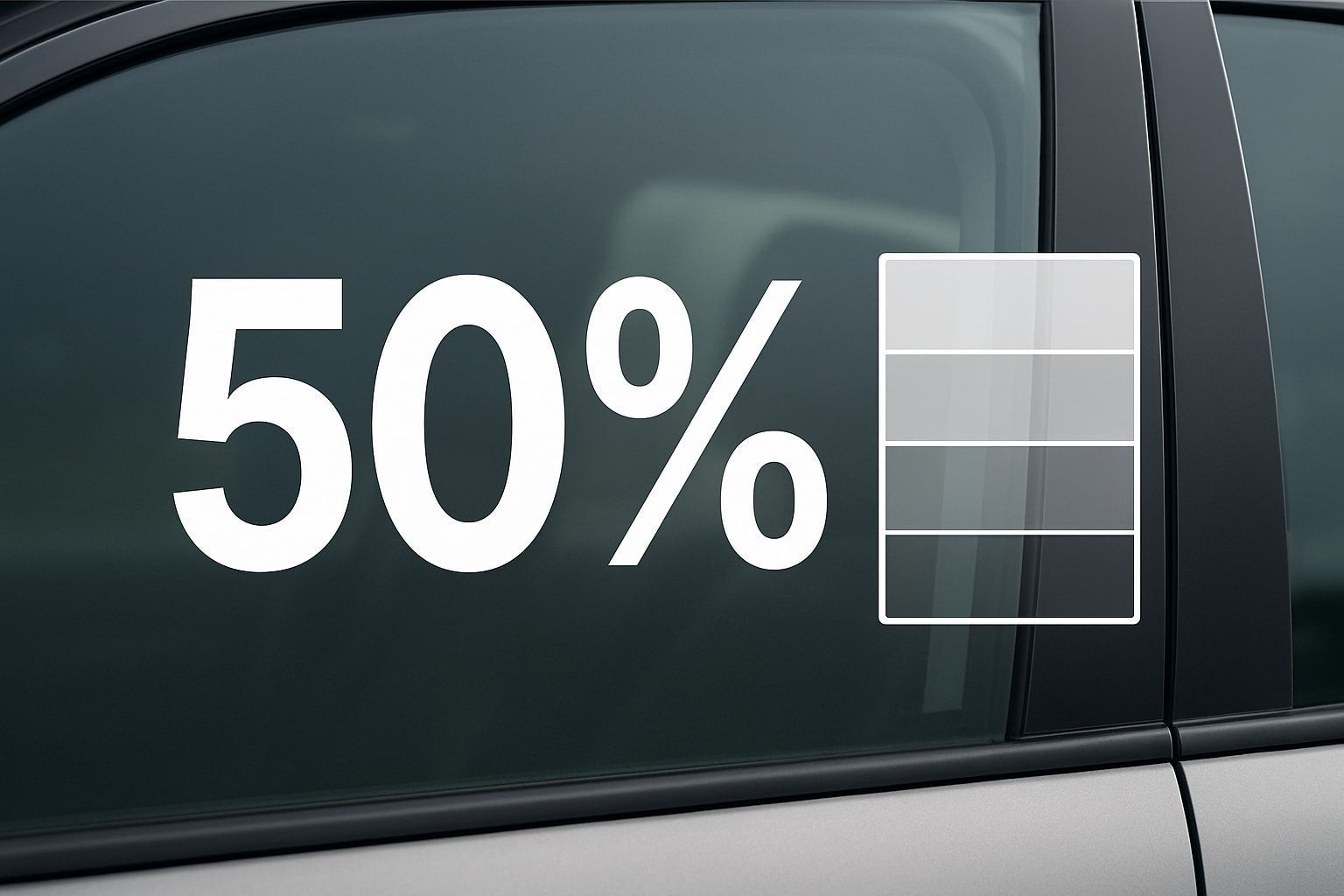
Recent years have seen a surge in nano-ceramic and multi-layer films. These utilize microscopic particles to block heat and UV rays while maintaining optical clarity. Visible light transmission (VLT) is a critical metric, indicating how much light passes through the tint. Lower VLT means darker tint but may impact visibility if not selected carefully.
Modern tints can block up to 99 percent of UV and 95 percent of infrared rays, according to Kelley Blue Book. The rise of smart and adjustable tints in new vehicles allows drivers to modify tint levels on demand for optimal comfort and safety. For an in-depth look at these advancements, see the Advanced window tinting insights.
Legal Considerations and Compliance in 2026
Understanding legal requirements is essential before choosing car window tinting. Laws vary by state, often specifying minimum VLT percentages and maximum reflectivity. For example, Connecticut mandates a 65 percent VLT with a compliance sticker. Some states offer medical exemptions for individuals with light sensitivity.
Penalties for violations range from warnings and fines to mandatory removal or failed inspections. New York, for instance, enforces strict compliance and issues “fix it” orders for non-compliance. Reputable installers stay current with local regulations, ensuring your tint is both effective and legal.
Recent trends show states updating laws and tightening enforcement, making it crucial to verify the latest requirements before installation. Always check your installer’s knowledge of current rules.
Types of Window Tint: Pros and Cons
Car window tinting options include ceramic, carbon, metallic, hybrid, and dyed films. Each type has distinct strengths and drawbacks:
Tint TypeProsConsCeramicBlocks 99% UV, 85–95% IR, premium lookHigher costCarbonMatte finish, no signal interferenceLess IR rejectionMetallicExcellent UV/glare blockingMay interfere with electronicsHybridBalanced cost and performanceModerate durabilityDyedBudget-friendly, various shadesFades faster, less protection
Ceramic tints lead the market with best-in-class rejection rates, while carbon films offer a sleek, non-reflective appearance. Metallic tints are effective for glare but may cause electronic interference. Hybrid and dyed films provide affordable entry points with varying longevity.
Installation Options: Professional vs. DIY
When considering car window tinting, you can choose between professional installation and DIY approaches. Professional installers deliver expert results, legal compliance, and warranties that can last a lifetime, especially with premium films. Pricing typically ranges from $250 to over $1,000, depending on your vehicle and tint type.
DIY kits are available as pre-cut or roll films. While cost-effective, they come with a learning curve and risk of bubbles or improper fit. Clean installation is vital for performance and lifespan. Professionals offer valuable support, including warranty service and legal guidance.
Ultimately, choosing the right method depends on your skill, budget, and desired results. Professional shops are recommended for most drivers seeking long-term value from car window tinting.
8 Essential Benefits of Car Window Tinting in 2026
Car window tinting is more than just a visual upgrade for your vehicle. As technology advances and driver expectations shift, tinting has become an essential feature for modern cars. Below, we reveal the 8 most important benefits of car window tinting in 2026, with each advantage playing a vital role in enhancing your driving experience.
1. Superior Heat Rejection and Interior Comfort
Car window tinting is a powerful tool for managing heat inside your vehicle. Modern films, especially nano-ceramic and hybrid technologies, can block up to 70% of total solar energy, keeping your cabin noticeably cooler. In peak summer, this can translate into interior temperatures being up to 30°F lower compared to untinted vehicles.
This reduction in solar heat gain means drivers and passengers experience a much more comfortable ride. For families with children or pets, this comfort can make a significant difference during long journeys or when parked in direct sunlight.
Reducing heat also lessens the need for constant air conditioning use. Not only does this improve fuel efficiency, but it also puts less strain on your vehicle’s HVAC system. Over time, you’ll notice lower fuel consumption and potentially longer component lifespan.
Those living in hot or sunny climates will immediately notice the benefit, but even in milder regions, car window tinting can help maintain a consistent, pleasant interior temperature. For anyone sensitive to heat or prone to discomfort during summer, tinting is a practical solution that enhances overall driving enjoyment.
Whether you drive daily for work or take frequent road trips, the comfort provided by advanced car window tinting makes every journey more pleasant and less fatiguing. As technology progresses, these thermal benefits only become more pronounced.
2. UV Ray Protection for Occupants and Interiors
Protecting yourself and your vehicle’s interior from harmful ultraviolet radiation is one of the most critical reasons to invest in car window tinting. Advanced films now block up to 99% of UV rays, significantly reducing risks associated with long-term sun exposure.
UV rays can cause skin damage, premature aging, and increase the risk of skin cancer, especially for those who spend extended periods driving. For families and frequent travelers, car window tinting adds an essential layer of protection for all occupants.
The benefits extend to your vehicle’s interior as well. Sun exposure is the leading cause of fading, cracking, and deterioration of upholstery, dashboards, and trim. Leather and premium materials are especially vulnerable, but even standard interiors benefit from reduced UV exposure.
Nano-ceramic films are particularly effective, offering maximum UV protection without darkening the windows excessively. This makes them ideal for drivers who want the benefits of car window tinting without compromising visibility.
For a deeper dive into how tinting safeguards against UV rays, see the UV film protection guide.
Medical exemptions are available in some states for those with light sensitivity or specific health conditions, making car window tinting not just a comfort, but a necessity for many.
3. Enhanced Privacy and Security
Car window tinting provides an immediate upgrade to privacy. Tinted films make it difficult for outsiders to see inside your vehicle, protecting personal belongings from prying eyes and deterring theft.
This added privacy is especially valuable for rideshare drivers, business professionals, and families who often carry valuable items. For parents, car window tinting offers peace of mind by shielding children and pets from unwanted attention.
Different tint types, such as carbon and hybrid films, provide a crisp, non-reflective look that enhances privacy without appearing overly dark or mirrored. Many drivers appreciate this subtlety, as it maintains a professional appearance while delivering security.
Some states have privacy-specific regulations for rear windows, so it’s important to choose a film that balances legal compliance with your privacy needs. Regardless of the legal limits, car window tinting consistently improves the sense of security inside your vehicle.
For those living in urban areas or frequently parking in public spaces, the privacy benefit of car window tinting can make all the difference in daily peace of mind.
4. Reduced Glare for Safer Driving
Glare from sunlight, reflective surfaces, and headlights is a major cause of eye strain and distraction while driving. Car window tinting is highly effective at minimizing this problem, making driving safer and more comfortable.
Ceramic and hybrid films are particularly known for their glare-reducing capabilities. By filtering out excessive brightness, these tints help maintain clear visibility in challenging lighting conditions, such as dawn, dusk, or night.
Reduced glare means less squinting and fewer distractions, allowing drivers to focus on the road ahead. For older drivers or those with light sensitivity, this benefit can be life-changing, making every journey smoother and safer.
Glare reduction also plays a role in accident prevention. When drivers are not blinded by harsh sunlight or oncoming headlights, their reaction times improve, and the risk of collisions decreases. This is especially important on long road trips or during rush hour when visibility can be compromised.
In summary, the safety and comfort provided by car window tinting’s glare reduction are essential for anyone who spends significant time behind the wheel.
5. Shatter Resistance and Added Safety
Car window tinting does more than just enhance aesthetics; it provides a crucial safety advantage by reinforcing your vehicle’s glass. High-quality tint films help hold shattered glass together in the event of an accident, reducing the risk of injury from flying fragments.
This shatter resistance also acts as a deterrent against smash-and-grab theft attempts. Would-be thieves are less likely to succeed when faced with reinforced windows that don’t break apart easily.
Some films, such as metallic and hybrid options, are engineered specifically for added security. Premium “ballistic” or safety-specific tints can even withstand impacts from blunt objects, providing peace of mind for parents, commuters, and business travelers.
For a comprehensive look at these protective features, review the safety and security film benefits.
In addition to accident protection, shatter-resistant car window tinting complements other vehicle safety systems, such as airbags, by preventing dangerous debris. This makes it an excellent investment for anyone prioritizing occupant safety.
6. Improved Vehicle Appearance and Value
Aesthetic appeal is a major motivator for many drivers considering car window tinting. Tinted windows instantly give any vehicle a sleek, modern, and customized look. With a wide range of shades and finishes available, you can select a style that matches your personality and vehicle type.
Premium films, such as carbon and ceramic, deliver a high-end, non-reflective finish that stands out for its elegance. This visual upgrade can boost your car’s perceived value and make it more appealing in the resale market.
Tinting also helps protect the interior from fading, preserving that “like new” appearance for longer. For car enthusiasts, this is a key benefit, as maintaining a pristine look is often a top priority.
In competitive used car markets, vehicles with well-installed car window tinting often attract more buyers and command higher prices. Whether you drive a family sedan or a luxury SUV, tinting adds both style and substance.
For those seeking a luxury appearance without the cost of major upgrades, car window tinting is one of the most effective and affordable options available.
7. Energy Efficiency and Environmental Benefits
Car window tinting is not just about personal comfort and style; it also delivers measurable environmental benefits. By reducing the amount of heat entering the vehicle, tints decrease the need for air conditioning, which in turn lowers fuel or battery consumption.
Studies show that in hot climates, car window tinting can improve fuel efficiency by up to 10%. This translates to real cost savings for drivers and contributes to the overall reduction of vehicle emissions.
For owners of electric or hybrid vehicles, every bit of energy saved extends driving range and supports sustainability goals. Fleet managers and eco-conscious drivers increasingly see car window tinting as a critical component of responsible vehicle ownership.
The environmental impact extends beyond fuel savings. Reduced AC usage means less wear on the vehicle’s mechanical systems and fewer maintenance issues over time.
In summary, car window tinting plays a strategic role in supporting both individual cost savings and broader environmental objectives.
8. Long-Term Cost Savings and Maintenance Reduction
Investing in car window tinting pays substantial dividends over the life of your vehicle. By blocking UV rays and reducing heat, tints help prevent interior fading, cracking, and deterioration, leading to fewer repairs and replacements.
Lower cabin temperatures mean your air conditioning system works less, reducing energy costs and extending the lifespan of key components. Over years of ownership, these savings add up quickly.
Premium tint films are designed for durability, often lasting 10 to 15 years with proper care and warranty support. This longevity means you’ll spend less on reapplications and enjoy consistent performance.
Tinted windows also make cleaning and maintenance easier. Interiors stay cleaner, with less dust and sun-related wear, reducing the need for frequent detailing.
For high-mileage drivers, rideshare operators, and families, the long-term savings and reduced maintenance provided by car window tinting make it a smart, forward-thinking investment.
Choosing the Right Window Tint for Your Needs in 2026
Selecting the best car window tinting is a decision that impacts your comfort, safety, and vehicle value. As technology evolves, understanding your options and making informed choices is more important than ever. Here is how to navigate the process in 2026.
Factors to Consider Before Tinting
When exploring car window tinting, evaluate your local climate, the type of vehicle you drive, and your daily commute. Legal requirements are crucial—each state sets specific rules for visible light transmission and reflectivity. Review installer credentials and check for product certifications. Ask about warranty length and what is covered.
Consider how different films affect electronic systems in newer vehicles. Compare costs and performance across ceramic, carbon, and hybrid films. For a comprehensive overview of professional services and key considerations, visit this Essential window tint services guide.
- Assess privacy and heat rejection needs
- Get quotes from reputable shops
- Inspect previous installer work
Maintenance, Care, and Longevity of Window Tints
Proper care extends the lifespan of car window tinting. Use ammonia-free cleaners and soft cloths for regular cleaning. Allow the tint to cure fully before rolling down windows. Inspect for bubbling, peeling, or fading, especially after extreme weather.
Understand your warranty and the claim process. Avoid using harsh chemicals or abrasive materials. Professional maintenance is recommended for premium films. When old tint wears out, have it removed safely to avoid window damage.
- Clean gently and regularly
- Schedule periodic inspections
- Follow installer’s care instructions
Future Trends: Smart Tints and Advanced Technologies
The future of car window tinting is shifting toward smart films and integrated electronics. Adjustable tints that respond to sunlight or driver settings are gaining popularity. Some new tints connect with mobile apps for real-time control.
Ongoing advancements promise better UV and infrared blocking, as well as improved sustainability. Stay informed about evolving regulations and technology to ensure your tint remains compliant and effective. Investing in next-generation films can help future-proof your vehicle.
- Explore electrochromic and nano-ceramic options
- Monitor updates in tint laws
- Consider integration with vehicle electronics
After exploring the latest advancements and the essential benefits of car window tinting in 2026, it is clear that protecting your vehicle and those inside is more important than ever. Whether you are looking to enhance safety, boost comfort, or preserve your car’s value, investing in professional tinting can make a real difference for your daily drive. If you are ready to experience the advantages firsthand, now is the perfect time to act. Let’s make your vehicle safer, more comfortable, and future ready—Get Protected Today.