Rear Privacy Glass Guide: Benefits, Uses, and Tips for 2026
Rear Privacy Glass Guide: Benefits, Uses, and Tips for 2026
Are you searching for the next essential upgrade for your vehicle in 2026? Rear privacy glass is becoming a must-have feature, offering an ideal blend of privacy, security, and comfort for drivers and passengers alike.
In this guide, we explore the evolving benefits, practical uses, and expert tips for maximizing rear privacy glass in modern vehicles. You'll discover how it works, its key advantages, where it shines, installation tips, maintenance advice, legal considerations, and the latest trends.
Unlock a new level of convenience and style by learning how rear privacy glass can transform your driving experience.
Understanding Rear Privacy Glass: What It Is and How It Works
Rear privacy glass has become a sought-after feature in modern vehicles, offering both practical and aesthetic benefits. Understanding how rear privacy glass is constructed, how it differs from traditional window tint, and how its effectiveness is measured can help you make informed decisions for your vehicle.
The Basics of Rear Privacy Glass
Rear privacy glass refers to factory-tinted glass installed on the rear windows of vehicles such as SUVs, minivans, and trucks. Unlike aftermarket tint films, this glass is tinted during the manufacturing process, resulting in a seamless and durable finish. Manufacturers use various materials and tinting processes, including adding colorants or metallic compounds directly into the glass.
The primary purpose of rear privacy glass is to enhance privacy, boost security, and reduce ultraviolet (UV) exposure for rear passengers. While it is commonly found in family vehicles and premium trims, the darkness and materials can vary by automaker. For a deeper dive, the Understanding Privacy Glass on Cars guide offers more details about materials and manufacturing.
How Rear Privacy Glass Differs from Window Tint Film
While rear privacy glass and window tint film may look similar, their construction and performance are quite different. Factory-installed rear privacy glass has the tint embedded within the glass, whereas window tint film is applied as a separate layer on the surface after manufacturing.
Visually, rear privacy glass usually appears more uniform and less reflective than aftermarket films. In terms of performance, factory glass typically offers consistent UV and infrared (IR) blocking, while films can provide enhanced heat rejection depending on the type. Durability is another key difference, as embedded tint is less likely to peel or bubble over time compared to applied films. For example, original equipment manufacturer (OEM) privacy glass often outlasts standard tint installations.
Measuring Visible Light Transmission (VLT)
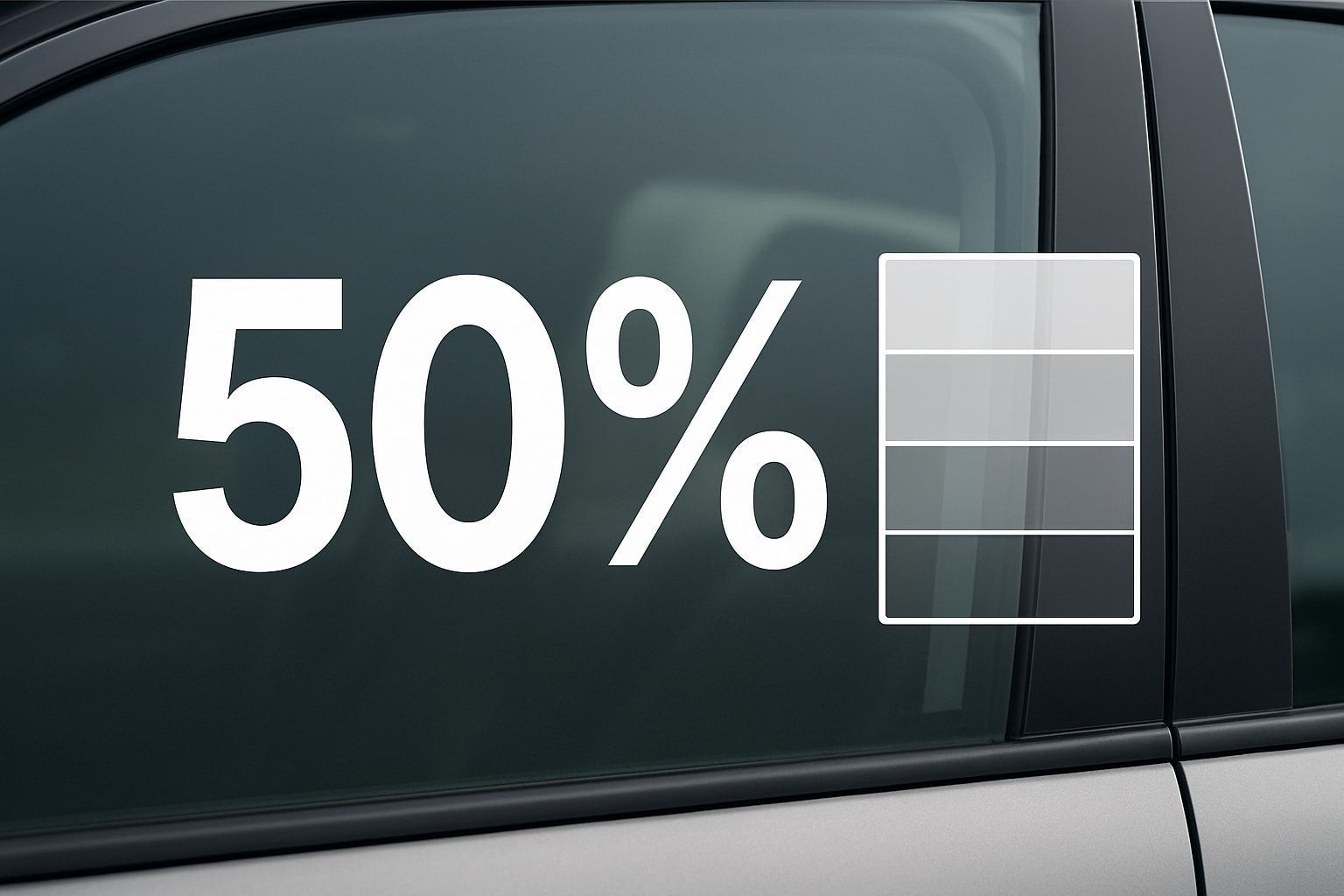
Visible Light Transmission (VLT) is a critical metric for evaluating rear privacy glass. VLT refers to the percentage of visible light that passes through the glass. Factory rear privacy glass usually has a VLT rating between 15% and 26%, meaning it blocks a significant portion of incoming light.
Specialized meters are used to measure VLT, which helps ensure compliance with local laws and optimal visibility. Lower VLT values mean darker glass, which can affect interior visibility, especially at night. When additional tint film is applied over rear privacy glass, the total VLT decreases even further, and this should be calculated carefully to avoid overly dark windows.
Common Myths and Misconceptions
There are several misconceptions about rear privacy glass among vehicle owners. One common myth is that all privacy glass meets legal tint requirements in every state, which is not always true. Another misconception is that rear privacy glass blocks as much heat as premium window films, but this depends on the manufacturer and glass type.
It is also incorrect to assume that all rear privacy glass provides complete UV protection. The level of darkness can vary, and not all versions offer the same performance. Real-world confusion often arises when owners try to match aftermarket tint to factory privacy glass, only to find differences in appearance and protection.
Key Benefits of Rear Privacy Glass in 2026
Modern vehicles are increasingly equipped with rear privacy glass, and for good reason. This feature brings a suite of advantages that go beyond style, making it an essential for 2026 vehicle owners. Here is a closer look at the key benefits you can expect from rear privacy glass.
Enhanced Privacy and Security
Rear privacy glass acts as a powerful deterrent against theft by making it difficult for outsiders to see inside your vehicle. Valuables stored in the back seat or cargo area are concealed from view, reducing the risk of smash-and-grab incidents. Data shows that vehicles with rear privacy glass experience fewer break-ins compared to those with standard glass.
For an in-depth comparison of privacy and security advantages, including how factory glass stacks up to tint films, see this Factory Privacy Glass vs. Aftermarket Window Tint guide.
Beyond theft deterrence, rear privacy glass also shields passengers from unwanted attention, creating a more secure and comfortable environment.
Protection from Harmful UV Rays
One of the standout benefits of rear privacy glass is its ability to block a significant portion of harmful UVA and UVB rays. This feature protects children, pets, and all passengers from sun exposure during long drives. It also helps prevent fading and cracking of your vehicle’s interior upholstery, electronics, and trim.
While many believe rear privacy glass blocks all UV rays, the actual percentage varies by manufacturer. Always check the product specifications for UV protection ratings to ensure you are getting the right level of defense for your needs.
Improved Comfort and Temperature Control
Rear privacy glass significantly reduces solar heat gain in the rear cabin. This keeps the vehicle’s interior cooler, especially during summer months. By limiting heat penetration, the air conditioning system works less, which can improve fuel efficiency over time.
Studies indicate that rear privacy glass can cut heat penetration by up to 60 percent, depending on the manufacturer and glass type. This leads to a more pleasant ride for rear passengers and less energy spent on climate control.
Feature With Rear Privacy Glass Without Privacy Glass Heat Reduction Up to 60%MinimalInterior Fading Reduced Higher risk AC Load Lower Higher
Glare Reduction for Safer Driving
Rear privacy glass is designed to minimize glare from sunlight and headlights, making driving safer and more comfortable, especially for rear passengers. Glare reduction helps the driver maintain better visibility when checking rearview mirrors, particularly at night.
Combining rear privacy glass with a high-quality front window tint can optimize glare reduction throughout the cabin. This combination supports a safer driving experience for everyone in the vehicle.
Aesthetic and Resale Value Enhancement
Vehicles equipped with rear privacy glass often feature a modern, sophisticated look that appeals to today’s buyers. This sleek appearance can be a selling point in both new and used vehicle markets, leading to higher resale values.
Automakers are recognizing this trend, increasingly offering rear privacy glass as a standard or premium feature in 2026 models. Choosing a vehicle with this feature not only enhances its visual appeal but also positions it favorably in future resale transactions.
Practical Uses and Applications of Rear Privacy Glass
Rear privacy glass is increasingly valued for its versatility across a wide range of vehicles. Its practical uses extend from family safety to commercial security, luxury travel, and outdoor adventures. Let us explore how rear privacy glass enhances the driving experience in these key scenarios.
Family and Child Safety
For families, rear privacy glass offers essential protection for children during daily commutes and road trips. The tinted glass helps block out harsh sunlight, reducing UV exposure and keeping the rear cabin cooler. It also minimizes distractions from outside, creating a calmer environment for young passengers.
Parents often choose SUVs and minivans with rear privacy glass to ensure their children are shielded from prying eyes and uncomfortable glare. This added layer of privacy is especially important when transporting infants or toddlers who are sensitive to bright light. As a result, demand for rear privacy glass has risen significantly in family-oriented vehicles.
Commercial and Fleet Vehicles
Business owners and fleet managers rely on rear privacy glass to secure valuable equipment and sensitive documents stored in work vans and trucks. The darker glass prevents outsiders from seeing inside, deterring theft and protecting assets during deliveries or service calls.
A professional appearance is also critical for commercial vehicles. Rear privacy glass provides a polished look that enhances brand reputation. For businesses seeking even greater protection, combining privacy glass with safety and security window films can further strengthen vehicle security and peace of mind.
Luxury and Executive Transportation
Rear privacy glass is a standard feature in luxury sedans, limousines, and executive shuttles. Discreet travel is a top priority for high-profile clients, celebrities, and corporate executives. The glass ensures privacy from onlookers and paparazzi, making every journey more comfortable and confidential.
Limousine services often highlight rear privacy glass in their marketing, showcasing it as a premium amenity. Passengers can relax or conduct business without worrying about unwanted attention. This emphasis on privacy helps luxury transportation companies stand out in a competitive market.
Recreational and Adventure Vehicles
Adventurers and outdoor enthusiasts appreciate the benefits of rear privacy glass in RVs, campers, and off-road vehicles. The glass helps keep gear safe from view, reducing the risk of theft at campsites or remote parking areas. It also provides a sense of seclusion, making overnight stays more comfortable.
Whether you are exploring national parks or embarking on overlanding trips, rear privacy glass enhances security and comfort for extended travel. Many modern recreational vehicles now include this feature as standard, reflecting its growing popularity among campers and explorers.
Installation, Upgrades, and Customization Tips for 2026
Upgrading or customizing rear privacy glass is an excellent way to enhance your vehicle’s privacy, comfort, and style. Whether you are considering factory options or aftermarket solutions, making informed choices is crucial for the best results and compliance in 2026.
Factory vs. Aftermarket Privacy Glass
When choosing rear privacy glass, you will face the decision between factory-installed and aftermarket options. Factory privacy glass is tinted during the manufacturing process, ensuring even color, high durability, and full integration with vehicle warranties. In contrast, aftermarket privacy glass typically involves adding a tinted film to existing windows.
Here is a quick comparison:
Feature Factory Privacy Glass Aftermarket Tint Film Tint Process Embedded in glass Applied as film Durability Highly durable Can peel or bubble Warranty Covered by OEM Varies, not always OEM Customization Limited Highly customizable
Factory rear privacy glass is often more reliable for long-term use, while aftermarket solutions offer flexibility. Before upgrading, always check how new installations affect your vehicle’s warranty and compatibility with existing features. For a thorough overview of technologies and options, see the Advanced window tinting guide.
Adding Window Film Over Privacy Glass: What to Know
Many car owners choose to add window film over their rear privacy glass to enhance UV protection or heat rejection. This process, however, requires careful consideration of visible light transmission (VLT) limits. Combining a 20 percent VLT privacy glass with a 35 percent film, for example, can result in a total VLT of approximately 7 percent, which may not comply with local laws.
- Always confirm your factory glass VLT with a meter.
- Research state regulations for legal darkness.
- Adding film can improve security and comfort, but excessive darkness reduces visibility.
Real-world experiences from car forums highlight the importance of balancing privacy with safety. If in doubt, consult a professional installer before applying window film to your rear privacy glass.
Step-by-Step Guide: Upgrading Rear Privacy Glass
Upgrading your rear privacy glass involves several key steps:
- Assess your factory glass VLT using a reliable meter.
- Research legal VLT limits for your state or region.
- Choose a window film that meets your privacy and UV/IR protection needs.
- Clean and prep the glass thoroughly before installation.
- Decide between professional installation and DIY. Professionals offer better results and warranty protection.
- After installation, check for bubbles, streaks, and measure final VLT.
Common mistakes include selecting a film that is too dark, poor surface prep, and failing to check local laws. Taking a methodical approach ensures your rear privacy glass upgrade is both effective and compliant.
Maintenance and Care for Longevity
Proper care extends the life of your rear privacy glass and keeps it looking sharp. Use non-ammonia glass cleaners and soft microfiber cloths to avoid scratches and haze. Regularly inspect for chips, peeling, or other damage, especially after extreme weather.
- Clean every few weeks for best clarity.
- Avoid using sharp tools or abrasive materials near the glass.
- Schedule maintenance checks at least twice a year.
These simple steps will preserve the appearance and functionality of your rear privacy glass for years.
Troubleshooting Common Issues
Even high-quality rear privacy glass can develop issues over time, especially with aftermarket films. Bubbling, peeling, or discoloration are often caused by poor installation or inferior materials. Reduced night visibility is another common concern, particularly with very dark glass.
- If bubbling or peeling occurs, have the film professionally replaced.
- For night visibility, consider using brighter interior lighting or choosing a lighter tint.
- Address legal concerns immediately if your glass is too dark for local regulations.
Online forums offer valuable advice for resolving these problems. Prompt attention to issues will keep your rear privacy glass safe, effective, and attractive.
Legal Considerations and Compliance in 2026
Navigating the legal landscape is essential for anyone considering rear privacy glass in 2026. Regulations are evolving, and understanding these rules will help you avoid costly penalties and ensure your vehicle remains compliant. Let us break down the key legal considerations for rear privacy glass owners.
Understanding Tint Laws and Regulations
Rear privacy glass is subject to both federal and state regulations, which can differ widely across the country. While federal guidelines offer a baseline, most enforcement happens at the state level. Each state sets its own maximum allowed darkness, measured by visible light transmission (VLT) percentages.
For instance, some states allow rear privacy glass with a VLT as low as 15 percent for SUVs and trucks, while sedans may have stricter limits. The laws are not uniform, so it is crucial to understand the difference between vehicle classes. In 2026, several states have updated their statutes, introducing new checks and penalties. For the latest specifics and how these changes may affect your vehicle, consult the 2026 Legal Updates: Car and Truck Tint Laws You Need to Know.
Safety and Visibility Concerns
Choosing rear privacy glass impacts not only privacy but also safety and visibility. Darker glass can reduce rearward visibility at night, making it more challenging to reverse or spot obstacles. Many states require dual side mirrors if your rear privacy glass is below a certain VLT, ensuring drivers maintain a clear view of their surroundings.
There have been documented incidents where limited visibility contributed to accidents, especially in poorly lit areas. Always consider how your rear privacy glass performs in various lighting conditions. Prioritize safety features, and check if your vehicle’s backup camera or sensors can compensate for any reduced visibility.
Inspection and Enforcement Trends
Enforcement of rear privacy glass regulations is becoming more sophisticated in 2026. Law enforcement agencies now routinely use tint meters to check VLT during roadside stops or vehicle inspections. If your rear privacy glass is too dark, you may face fines or receive a “fix-it” ticket requiring you to remove or replace the tint.
Recent campaigns in major cities have increased the frequency of these inspections, particularly targeting vehicles with aftermarket modifications. Staying informed about enforcement trends can help you avoid unexpected penalties and keep your vehicle road-legal.
Tips for Staying Compliant
To ensure your rear privacy glass meets all legal requirements, start by measuring your VLT using a certified meter. Before making any upgrades, research state laws or consult a professional installer for guidance. Keeping documentation that proves your rear privacy glass is factory-installed can help if questions arise during inspections.
If you are considering additional tint or film, remember that combined VLT may push you over legal limits. For a deeper dive into compliance and tips for selecting the right tint, review the 70 percent tint benefits and laws guide. Staying proactive and informed will help you enjoy the benefits of rear privacy glass without legal hassles.
Rear Privacy Glass Trends and Innovations for 2026
The automotive industry is rapidly evolving, and rear privacy glass is at the forefront of this transformation. In 2026, innovations are redefining how drivers and passengers experience privacy, safety, and comfort. Let’s explore the most impactful trends shaping rear privacy glass for the vehicles of tomorrow.
Advances in Glass Technology
Rear privacy glass is seeing significant leaps in technology, with smart glass and electrochromic solutions leading the way. These advanced materials allow drivers to adjust opacity levels at the touch of a button, providing customizable privacy for every situation.
Manufacturers are embedding improved UV and IR blocking properties directly into the glass. This means better protection and comfort, without sacrificing visibility. According to the Switchable Privacy Glass for Vehicles Market Research Report 2033, automakers are prioritizing switchable privacy glass in new models, responding to consumer demand for flexibility and innovation.
With these advancements, rear privacy glass is becoming a key differentiator in vehicle design and performance.
Integration with Vehicle Safety Systems
Modern vehicles rely on advanced driver assistance systems (ADAS), sensors, and cameras for safety. Rear privacy glass must be compatible with these technologies to ensure optimal function.
Automakers are developing glass that maintains sensor clarity while blocking unwanted light and heat. This balance is essential for backup cameras, lane detection, and emergency braking systems. Guidelines from manufacturers stress the importance of glass that does not interfere with signal transmission or image quality.
As a result, rear privacy glass is now engineered to integrate seamlessly with safety features, ensuring both privacy and top-tier protection for all occupants.
Eco-Friendly and Sustainable Materials
Sustainability is a growing priority in automotive manufacturing. Rear privacy glass is now being produced using recycled materials and low-emission processes. These eco-friendly options help reduce the environmental impact of vehicle production.
Some manufacturers are achieving environmental certifications by adopting greener methods and materials. Consumers can look for vehicles that offer rear privacy glass made from sustainable sources, knowing they are making a responsible choice.
This trend not only benefits the planet but also enhances the appeal of rear privacy glass for environmentally conscious buyers.
Customization and Personalization Options
Personalization is a major trend in 2026, and rear privacy glass is no exception. OEMs and aftermarket providers are offering a range of colors, opacity levels, and finishes to suit individual tastes.
Digital customization is becoming increasingly popular, with some vehicles allowing drivers to adjust the tint via smartphone apps or dashboard controls. Auto expos and tech shows are showcasing these innovations, highlighting the flexibility and style they bring to modern vehicles.
With so many choices, rear privacy glass empowers owners to express their personality while enjoying enhanced comfort and privacy.
Market Demand and Consumer Preferences
Rear privacy glass is in high demand among SUV, EV, and family vehicle buyers. Consumer surveys show that privacy and security are top priorities, pushing automakers to include this feature in more models.
Industry data for 2026 reveals that a growing percentage of new vehicles come equipped with rear privacy glass as standard. Buyers perceive it as a sign of quality and modern design, influencing purchasing decisions and resale values.
This strong market demand is driving further innovation and investment in rear privacy glass technology.
Frequently Asked Questions and Expert Insights
Many vehicle owners have questions about maximizing the benefits of rear privacy glass. Experts recommend consulting with professionals before making upgrades or modifications, especially to ensure compliance with local laws.
Proper installation and maintenance are crucial for long-term performance. For actionable advice on care and upgrades, drivers can refer to Window tinting professional tips, which offers guidance on everything from cleaning to legal considerations.
By staying informed and seeking expert help, owners can fully leverage the advantages of rear privacy glass in 2026.
As we've explored, rear privacy glass offers much more than just a sleek look—it provides enhanced privacy, added security, UV protection, and comfort for your vehicle, especially as we move into 2026. If you value protecting your passengers, belongings, and vehicle interior while staying ahead of the latest trends, it’s worth considering expert solutions tailored to your needs. Whether you’re thinking about an upgrade or seeking professional advice on compliance and installation, you don’t have to navigate it alone. For comprehensive protection and peace of mind, Get Protected Today.