Impact Resistant Film Guide: Protecting Surfaces in 2025
Impact Resistant Film Guide: Protecting Surfaces in 2025
In 2025, the demand for surface protection is soaring as homes, businesses, and institutions seek smarter ways to guard against break-ins, harsh weather, and daily wear. Modern environments face growing threats to glass, screens, and other vulnerable surfaces, making security a top priority for property owners.
Impact resistant film offers a cutting-edge solution that addresses these risks by strengthening surfaces while maintaining clarity and aesthetics. This guide will walk you through the types, benefits, installation process, and future trends shaping the impact resistant film market. Discover everything you need to know to keep your property safe and secure in the year ahead.
Understanding Impact Resistant Film: What It Is and How It Works
Surface protection is rapidly evolving, and impact resistant film stands out as a leading solution for safeguarding glass and other vulnerable surfaces in 2025. This section explores what makes these films unique, how they work, the different types available, and the standards that define their performance.
Definition and Composition of Impact Resistant Film
Impact resistant film is engineered from tough, multilayered polyester or polycarbonate sheets, bonded with advanced adhesives and hard coatings. These films are optically clear, ranging in thickness from 4 to 14 mils for most security applications. Their construction ensures lasting durability, high clarity, and resistance to yellowing over time.
Unlike standard window films, impact resistant film incorporates UV inhibitors and is designed to withstand repeated stress. The adhesive layer bonds tightly to glass, while a scratch-resistant top layer protects against daily abrasion. These films are available in various grades to match different security needs and are widely used in both residential and commercial settings. For an overview of how these films are used to enhance safety and security, see the Safety and Security Window Film guide.
How Impact Resistant Film Protects Surfaces
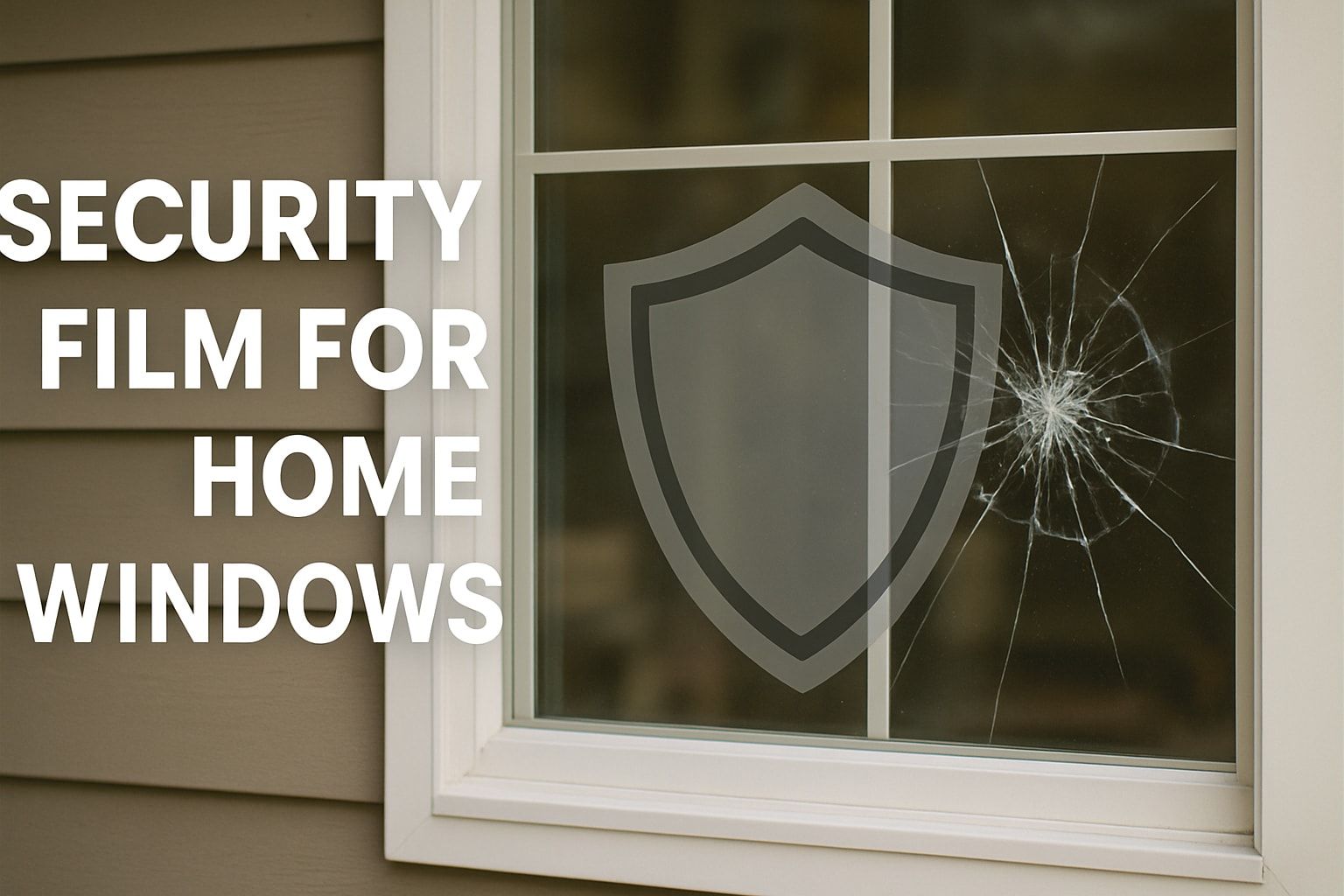
The core function of impact resistant film is to absorb and disperse shock energy when a surface is struck. By holding shattered glass fragments together, the film prevents dangerous shards from scattering, which reduces the risk of injury and property damage.
During forced entry attempts, accidents, or natural disasters, the film maintains the integrity of the glass, making break-ins more difficult and helping meet safety regulations. In fact, studies show a significant drop in injury rates after installing impact resistant film, as the glass remains adhered to the film even when broken. This added layer of protection is crucial in high-traffic areas and buildings with heightened security needs.
Types of Impact Resistant Films Available in 2025
In 2025, impact resistant film comes in several specialized forms. Security and safety films are ideal for windows and doors in homes and offices. Anti-graffiti and scratch-resistant variants protect public-facing glass from vandalism and wear. For high-risk environments, ballistic and forced-entry films offer advanced protection against severe threats.
Some decorative impact films combine security with style, making them suitable for offices and retail spaces. For example, schools often use thicker, forced-entry rated films, while commercial buildings may select lighter grades optimized for daily wear and energy efficiency. This variety allows property owners to tailor protection to their specific risks.
Key Standards and Certifications
To ensure reliability, impact resistant film must meet recognized standards such as ANSI, ASTM, and UL certifications. Compliance with local building codes is essential, especially in regulated environments like schools, where forced-entry rated films are often mandated.
Third-party testing by certified labs confirms a film's effectiveness and can impact insurance eligibility. For instance, schools and government buildings increasingly require films tested to stringent criteria. These certifications give property owners confidence in the film's performance and help maintain a safe, code-compliant facility.
Benefits of Impact Resistant Film for Surface Protection
Choosing impact resistant film for your property delivers a wide range of benefits, making it a smart investment for both residential and commercial spaces. As threats evolve, so do the ways this advanced film protects people and assets.
Enhanced Security and Safety
Installing impact resistant film significantly increases security by deterring forced entry and vandalism. This film holds glass together, making break-ins much more difficult and reducing the risk of injury from flying shards. For example, an office building equipped with security film reported a sharp drop in theft incidents. In fact, studies show up to 93 percent reduction in entry time for burglars. Many property managers turn to Security Window Film Overview to understand the various types and effectiveness of these products. By making unauthorized entry harder, impact resistant film provides valuable peace of mind.
Protection Against Natural Disasters and Accidents
Impact resistant film shields windows from severe weather, such as storms, hail, and windborne debris. During natural disasters like earthquakes or blasts, the film helps keep glass fragments intact, minimizing injuries and property damage. In hurricane-prone regions, many homes and businesses use impact resistant film to comply with local building codes. Insurance companies often offer premium discounts to properties with this added layer of protection. By acting as a barrier, impact resistant film can be a crucial part of any disaster preparedness plan.
UV and Glare Reduction
One of the standout benefits of impact resistant film is its ability to block up to 99 percent of harmful UV rays. This protection prevents fading of furnishings, flooring, and merchandise, helping maintain the appearance and value of interiors. Retail stores, for instance, have extended product shelf life and improved display quality by installing impact resistant film. Additionally, the film reduces glare, which enhances comfort and productivity for occupants. Protecting interiors from sun damage is another reason impact resistant film is a top choice for modern spaces.
Energy Efficiency and Cost Savings
Impact resistant film also contributes to lower energy costs by rejecting solar heat and reducing cooling demands. Many properties experience a typical payback period of three to five years due to energy savings. The film can help buildings achieve LEED or other green certification goals. Commercial spaces have reported up to 15 percent reductions in energy bills after installation.
Benefit Impact Example ROI Lower Cooling Costs10-15% savings3–5 year payback UV Protection99% UV blocked Longer asset life Security Enhancement93% slower break-ins Reduced theft claims
By combining protection with efficiency, impact resistant film offers value that extends well beyond safety.
Applications of Impact Resistant Film in 2025
Impact resistant film is transforming the way people protect surfaces across every sector in 2025. Its versatility and proven results make it a preferred choice for homeowners, businesses, schools, healthcare facilities, and industrial complexes. Let’s explore where and how these innovative films are making a difference.
Residential Uses: Homes and Apartments
Homeowners are increasingly choosing impact resistant film for windows, patio doors, and skylights. This solution offers year-round protection from accidents, flying debris, and potential break-ins. Parents and pet owners appreciate the added safety, knowing that glass is less likely to shatter dangerously.
A recent testimonial from a city homeowner highlights the peace of mind gained after installation, especially in urban areas where break-ins and severe storms are more common. As more people seek to secure their homes, impact resistant film is becoming a key trend for urban dwellers.
Commercial and Retail Spaces
In the commercial sector, impact resistant film is essential for storefront security, display case protection, and shelving. Retailers, especially jewelry stores and pharmacies, rely on these films to deter smash-and-grab theft and minimize property damage.
According to a recent survey, 70% of retailers now consider security film indispensable for their business. For a deeper dive into how businesses use these solutions, see the Office Window Film Guide. This resource details practical benefits and showcases why impact resistant film is a top choice for commercial environments.
Educational Institutions and Public Buildings
Schools, libraries, museums, and government buildings are upgrading safety with impact resistant film. School districts, in particular, are responding to new security regulations by installing films on doors and windows. These films help protect students and staff, adding a critical layer against break-ins and accidental impacts.
Compliance with state and federal safety mandates is driving district-wide upgrades. Public institutions recognize that impact resistant film not only increases security but also helps fulfill regulatory requirements efficiently.
Healthcare and Hospitality Sectors
Hospitals, hotels, and behavioral health facilities use impact resistant film to safeguard patients, guests, and staff. Glass partitions, lobby doors, and patient rooms are common application points. These films reduce injury claims by preventing dangerous glass breakage during accidents or emergencies.
In behavioral health environments, impact resistant film adds valuable protection, minimizing the risk of self-harm or accidental injury. This proactive approach is now considered a standard in modern healthcare and hospitality design.
Transportation and Infrastructure
Transit environments benefit greatly from impact resistant film. Buses, trains, airports, and transit stations use these films to cut vandalism, reduce maintenance, and protect passengers. Airports, for example, apply anti-graffiti films to public-facing glass, ensuring clear views and long-term durability.
Growth in public sector adoption is notable, with municipalities and transportation agencies investing in impact resistant film for enhanced safety and cost savings. This trend is expected to accelerate in coming years as infrastructure security becomes a higher priority.
Industrial and High-Security Environments
Factories, warehouses, and critical infrastructure sites count on impact resistant film for advanced protection. These environments often require ballistic and blast-resistant films to safeguard assets and personnel. Data centers use the film to protect sensitive server rooms from forced entry and accidental damage.
Meeting OSHA and homeland security guidelines, impact resistant film is a crucial component of comprehensive security strategies in high-risk industries. Its ability to combine physical protection with code compliance makes it a valuable asset for industrial leaders.
Step-by-Step Guide: Selecting and Installing Impact Resistant Film
Selecting and installing impact resistant film is a process that calls for careful planning and the right expertise. Whether you are a homeowner, facility manager, or business owner, following a proven approach ensures your surfaces are protected for years to come.
Assessing Your Needs and Surface Types
Start by identifying your property’s unique risks. Is your building located in a high-crime area or exposed to frequent storms? Consider the type and thickness of glass, its location, and the daily usage of each surface.
Consult with security professionals to evaluate vulnerabilities and determine if impact resistant film is suitable for your situation. Use a checklist to compare residential and commercial requirements, factoring in safety, privacy, and compliance needs.
- Assess location and threat level
- Inspect glass condition and compatibility
- Determine if safety or decorative films are needed
A thorough assessment sets the foundation for effective protection.
Choosing the Right Film: Factors to Consider
Selecting the best impact resistant film involves comparing thickness, clarity, and performance ratings. Thicker films offer greater security, while some options also deliver energy efficiency or decorative enhancements.
Review the technical specifications and certifications to match your needs. For high-risk environments, consider advanced options like ballistic or forced-entry resistant films, as detailed in the Ballistic Film Guide for Windows.
Compare leading brands and calculate your expected return on investment. Use the table below to summarize your options:
Film Type hickness (mil)Best Use Cases Standard Security4–8Homes, offices Forced Entry/ Ballistic10–14+Schools, banks, data centers Decorative/ Privacy4–8Retail, offices
Sourcing and Vetting Professional Installers
Professional installation is vital for the long-term performance of impact resistant film. Look for certified and experienced installers who offer clear communication and stand behind their work.
Ask these questions:
- Are you certified for security film installation?
- What warranty and aftercare do you provide?
- Can you share references or case studies?
A cautionary tale: improper installation can lead to film failure or voided warranties. Always verify credentials before proceeding.
Lewolf Window Tint and Film Solutions: Trusted Experts in Impact Resistant Film
Lewolf Window Tint and Film Solutions brings unmatched expertise in impact resistant film installation nationwide. Their team specializes in safety, security, and ballistic films for schools, businesses, and homes.
Benefits include professional installation, transparent communication, and comprehensive warranties. Customers consistently praise Lewolf’s reliability and quality, citing five-star reviews for both service and results.
Ready to protect your property? Request a free, customized quote from Lewolf and experience peace of mind with industry-leading solutions.
Installation Process: What to Expect
The installation of impact resistant film begins with a detailed inspection and precise measurements of all glass surfaces. Installers thoroughly clean each pane before cutting and applying the film to exact specifications.
Most projects require a curing period, during which the film fully bonds with the glass. For a typical commercial property, the process—from inspection to completion—takes two to three days, depending on the scope.
Proper installation ensures optimal performance and longevity.
Maintenance, Cleaning, and Longevity
To maximize the life of your impact resistant film, use non-abrasive cleaning products and soft cloths. Expect a lifespan of 10 to 20 years, depending on environmental conditions and usage patterns.
Monitor for signs of wear such as bubbling, discoloration, or peeling. Property managers should follow a maintenance checklist, scheduling regular inspections to maintain protection.
When the film shows persistent signs of damage, plan for timely replacement to keep surfaces secure and compliant.
Innovations and Future Trends in Impact Resistant Film Technology
Innovation is rapidly transforming the impact resistant film industry as we move into 2025. Modern demands for security, efficiency, and sustainability drive manufacturers to develop smarter, stronger, and more adaptive solutions. These trends promise to reshape how impact resistant film is used across residential, commercial, and public sectors.
Smart Films and Adaptive Technologies
The next generation of impact resistant film is integrating smart technology. Films now feature switchable opacity, allowing users to change from clear to frosted with a simple switch or app. Offices and hospitals are adopting these adaptive films for privacy at a moment's notice.
IoT-enabled impact resistant film can alert property managers about attempted breaches, temperature changes, or glass impacts. This real-time data supports quicker responses and enhanced security. In smart offices, adaptive privacy films are already reducing distractions and boosting productivity.
Sustainability and Eco-Friendly Materials
Sustainability is a top priority in the evolution of impact resistant film. Manufacturers increasingly use recycled polymers and low-VOC adhesives, reducing the environmental footprint of film production. These eco-friendly materials help buildings meet LEED and WELL certification requirements.
Green building projects are specifying eco-films as part of their sustainability goals. The result is a new generation of impact resistant film that balances strength, clarity, and environmental responsibility. Choosing these films supports both occupant safety and a healthier planet.
Advanced Protection: Ballistic and Blast-Resistant Films
Recent advances have expanded the capabilities of impact resistant film to address ballistic and blast threats. Multi-layered films now protect against firearms, explosions, and even chemical hazards. Government facilities, data centers, and critical infrastructure sites are leading adopters.
These new films offer multi-threat protection without compromising visibility or aesthetics. Upgrading to ballistic-rated impact resistant film is an effective way to comply with emerging security standards and safeguard sensitive environments.
Market Growth and Regulatory Changes
The market for impact resistant film is experiencing robust growth, driven by evolving safety codes and increased awareness of physical threats. New insurance requirements and state mandates, especially for schools and public buildings, are accelerating adoption.
According to recent Surface Protection Film Market Growth Forecast, the industry is set to nearly double in value by 2035, reaching 2.7 billion USD. This surge reflects both regulatory changes and growing demand for advanced impact resistant film solutions across all sectors.
After exploring how impact resistant film offers real protection against break ins, severe weather, and daily wear, you can see why so many homeowners, schools, and businesses are upgrading their surfaces in 2025. With expert installation and cutting edge solutions from Lewolf Window Tint and Film Solutions, you can confidently protect your property and loved ones while enjoying benefits like UV defense, energy savings, and peace of mind. If you are ready to take the next step toward a safer, more resilient space, Get Protected Today.