
14 min readBy Joshua Leleux
Table of Contents
- XPEL Window Tint Overview: What It Does and Why It Matters
- Heat Rejection, UV Protection, and Glare Reduction: How XPEL Performs
- XPEL vs 3M Window Tint: Key Differences and Which Wins
- XPEL XR vs XR Plus: Choosing Between the Two PRIME Films
- XPEL Window Tint Cost: What You'll Pay and What Affects Price
- XPEL Window Tint Warranty: Coverage, Duration, and What's Protected
- Pros, Cons, and Who Should Choose XPEL Window Tint
- Frequently Asked Questions
Last Updated: October 14, 2026
XPEL Window Tint Overview: What It Does and Why It Matters
XPEL window tint is an automotive film that reduces heat, blocks ultraviolet rays, and minimizes glare while preserving optical clarity. Before committing to installation, understand what XPEL delivers and what it costs.
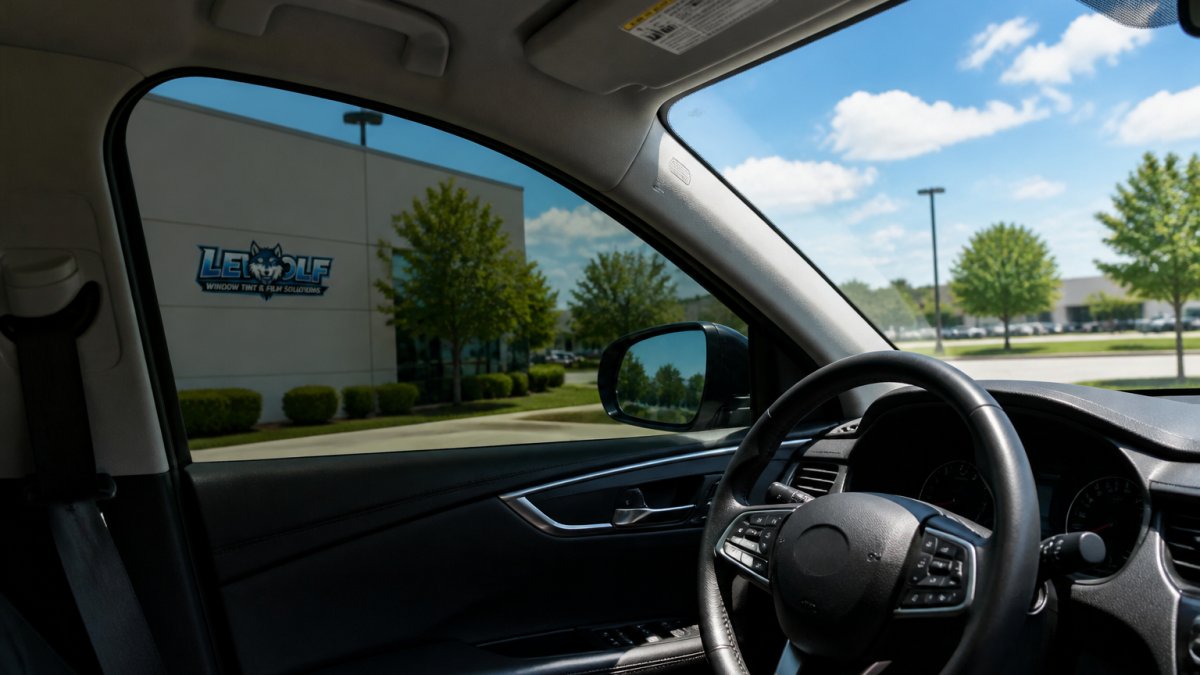
At LeWolf Window Tint & Film Solutions, XPEL consistently ranks among the most requested ceramic films. Its product lines target different priorities: heat rejection, UV protection, durability, and cost.
This review breaks down XPEL window tint performance, compares product lines, covers installed pricing, and explains the warranty coverage you actually get.
Heat Rejection, UV Protection, and Glare Reduction: How XPEL Performs
XPEL window tint rejects solar heat, blocks UV rays, and reduces glare without darkening your interior. Its ceramic film uses nano-ceramic particles that reflect infrared energy while allowing visible light through.
Heat rejection is where XPEL earns its reputation. The company claims its film provides up to 60% less heat inside the cabin than unprotected glass, translating to cooler interiors, reduced AC load, and better comfort in vehicles parked in direct sun (Automotive Window Film | Window Tint).
UV protection is equally important.
Glare reduction rounds out the trio. Harsh sunlight reflecting off roads, water, and other vehicles causes eye strain and reduces visibility. XPEL's ceramic film cuts that glare without the optical distortion cheaper films introduce.
XPEL vs 3M Window Tint: Key Differences and Which Wins
Comparing XPEL window tint to 3M means comparing categories, since both companies offer multiple product lines at different price points.
Choosing the Right Window Tint | XPEL CS, XR, XR Plus Explained
Prestige Car WashTint & Wrap
XPEL's ceramic films focus on heat and UV rejection with long-term durability, emphasizing nano-ceramic technology and self-healing in premium lines.
3M window tint covers a broader range, from budget dyed films to high-end ceramic.
In hot climates where cooling costs matter, XPEL's heat rejection justifies the premium.
XPEL XR vs XR Plus: Choosing Between the Two PRIME Films
XPEL's PRIME XR and PRIME XR Plus sit at the center of the brand's automotive lineup, and their similar names lead drivers to assume one is a marked-up version of the other. They are not. The difference comes down to how the ceramic layer is built, how much infrared energy it rejects, and how the film behaves over a decade of sun exposure.
What actually differs between the two films
Both films use non-conductive metal oxide nano-ceramic particles in a multilayer construction, so neither interferes with cell, GPS, or toll-transponder signals the way older metallic films did. Where they diverge: While these films provide advanced thermal performance for your glass, maintaining the exterior finish requires a different approach to surface preservation, which is explored in the comparison of ceramic coating vs wax.
- Infrared rejection. PRIME XR targets the near-infrared band that carries most of the sun's heat energy. PRIME XR Plus pushes total solar energy rejection higher by stacking additional ceramic layers, so more heat is reflected before it reaches the glass. The practical result is a measurable cabin-temperature difference in direct sun, not just a marketing number.
- Visible light transmission options. Both lines come in multiple VLT percentages, typically ranging from a light, nearly clear shade up to a dark limo tint. The Plus line tends to hold optical clarity better at the darker end, which matters if you want heat rejection without a blacked-out look.
- Color stability. Standard ceramic films can drift slightly toward a warmer, yellow-brown tone after years of UV exposure. The Plus construction is engineered to resist that shift, which is why it is the more common choice for light-colored interiors and luxury vehicles where a color change would be obvious.
- Surface hardness. The Plus film carries a harder topcoat. That is the layer responsible for the scratch resistance and the self-healing behavior that lets light swirl marks relax out with heat.
How to decide
Work through these questions in order:
- How long will you keep the vehicle? Under three years, PRIME XR captures most of the benefit. Five years or more, the Plus film's color stability and harder topcoat start to pay for themselves.
- How harsh is your sun? High-altitude, desert, and coastal environments push UV and infrared loads higher. In those conditions the Plus film's extra rejection and fade resistance are worth the step up.
- What color is your interior? Light leather, beige, and gray interiors show film discoloration far more than black interiors. If yours is light, lean Plus.
- Do you park outside? A car that lives in a garage sees a fraction of the UV dose of one parked in the open all day. Garage-kept vehicles can comfortably run PRIME XR.
A rough cost frame
Installed pricing for a full car varies, with the spread widening on larger vehicles. Treat those as floor numbers for a standard sedan, not quotes.
XPEL Window Tint Cost: What You'll Pay and What Affects Price
XPEL window tint pricing depends on vehicle size, coverage area, and your local installer's rates. There's no single "XPEL price."
Full-vehicle XPEL installation pricing varies, with baseline pricing for standard sedans with basic coverage.
Vehicle size is the primary cost driver.
Installer expertise and location affect pricing too.
For pricing specifics on your vehicle, visit the LeWolf Window Tint & Film Solutions website to request a quote.
XPEL Window Tint Warranty: Coverage, Duration, and What's Protected
Two separate warranties apply to a single installation, and knowing which covers which failure is the difference between a free replacement and a bill.
The two warranties you actually receive
The manufacturer warranty covers defects in the film itself. XPEL backs its automotive films against manufacturing faults for a term that varies by product line, with premium ceramic lines carrying the longest coverage.
The installer warranty covers workmanship. Bubbles, lifting edges, trapped contamination, and peeling from a bad install are the installer's responsibility, not the manufacturer's. It varies most from shop to shop, so get it in writing before the film touches your glass.
What the manufacturer warranty typically covers
- Delamination, where the film layers separate
- Bubbling or blistering that originates in the film itself
- Adhesive failure not caused by installation
- Color fading or discoloration beyond normal expectations
- Cracking or crazing of the film surface
What it does not cover
- Installation defects. Trapped dust, fingers, or lift lines are a workmanship issue.
- Accidental damage. A rock chip, a scratched window, or a broken window that tears the film is not a defect.
- Improper cleaning. Abrasive pads, ammonia-based cleaners, and razor blades will scratch film and void coverage.
- Window regulator failure. If a mechanical fault in the door tears the film, that is a vehicle repair, not a film claim.
- Vandalism and collision damage.
- Normal wear. Faint surface scuffs from years of use are expected, not a defect.
What voids coverage
- Installing over a dirty or damaged window surface
- Using a non-authorized installer
- Cleaning with ammonia or abrasive products
- Removing and reinstalling the film yourself
- Modifying the film in any way
How to protect your claim
- Get the film line and VLT in writing on your invoice, not just 'ceramic tint.'
- Ask for the manufacturer warranty document and read the term length for your specific product.
- Confirm the installer warranty separately and note its duration and what it covers.
- Keep your receipt. Warranty claims require proof of purchase and often proof of professional installation.
- Follow the cure instructions. Most films need a few days to a few weeks to fully cure, and rolling windows down too early can cause edge lift that a shop may treat as customer error.
Pros, Cons, and Who Should Choose XPEL Window Tint
XPEL window tint delivers measurable benefits, but it isn't right for every driver.
Pros of XPEL window tint:
XPEL's ceramic films provide superior heat rejection versus most competitors, meaning cooler cabins and less AC strain.
Cons of XPEL window tint:
Cost is the primary drawback. XPEL window tint costs more than budget alternatives, a premium not every driver needs.
Who should choose XPEL:
Drivers in hot climates where cooling costs are significant see the clearest value.
Who should skip XPEL:
Budget-conscious buyers should explore 3M or other ceramic alternatives at lower price points.
At LeWolf Window Tint & Film Solutions, we install XPEL window tint for drivers who prioritize performance and durability. Our 30 years of experience and professional certification ensure your installation meets XPEL's standards and preserves your warranty coverage. Book Now to discuss XPEL options for your vehicle and get an accurate installed cost estimate tailored to your specific needs.
Frequently Asked Questions
Is XPEL or 3M window tint better?
Both are professional-grade films, but they differ in technology and performance. XPEL window tint uses nano-ceramic technology for heat rejection and UV protection, while 3M offers multiple film lines at varying price points. XPEL typically emphasizes superior optical clarity and color stability, whereas 3M is known for brand recognition and availability. The best choice depends on your vehicle, budget, and specific priorities, heat rejection, durability, or cost. Professional installation quality matters as much as the film itself.
What are the differences between XPEL XR and XR Plus window tint?
XPEL PRIME XR and XPEL PRIME XR PLUS are both ceramic window films in XPEL's automotive lineup. The XR Plus typically offers enhanced performance in heat rejection, UV blocking, and infrared rejection compared to the standard XR. XR Plus generally commands a higher price but delivers superior cabin temperature reduction and interior protection. The XR serves as a value-oriented option for drivers wanting XPEL's ceramic technology at a lower cost. Your choice depends on climate, driving conditions, and budget.
How much does XPEL window tint cost for a full car installation?
XPEL window tint pricing varies based on your vehicle model, the number of windows you're tinting, which XPEL film you choose (XR vs XR Plus), and your installer's rates. Professional installation costs vary significantly depending on these factors. For exact pricing for your specific vehicle and coverage needs, contact a certified XPEL installer or visit LeWolf Window Tint & Film Solutions for a free quote. Installation quality and warranty coverage should factor into your decision alongside cost.
Does XPEL window tint block heat and UV rays effectively?
Yes. XPEL automotive window film is engineered to reduce heat by up to 60% inside the cabin and block harmful UV rays that cause interior fading and skin damage. The nano-ceramic technology rejects infrared energy without using reflective metals, so visibility remains clear. UV protection is consistent across XPEL's film lines. Heat rejection performance varies between XPEL XR and XR Plus, with XR Plus delivering superior thermal performance. Professional installation ensures maximum effectiveness.
What does the XPEL window tint warranty cover?
XPEL window tint warranties typically cover defects in materials and workmanship, including peeling, cracking, discoloration, and adhesive failure under normal use conditions. Warranty length and specific terms vary by installer and film type. Most professional installations include a warranty that protects your investment if the film fails prematurely. Ask your installer for the exact warranty details, coverage period, and any conditions or exclusions before installation. Proper aftercare extends the life of your film beyond the warranty period.