

14 min readBy Joshua Leleux
Last Updated: October 22, 2026
Quick Summary
For most daily drivers, paint protection film is worth it on the front-facing panels, not the whole car. Your bumper, hood, fenders, and side mirrors take nearly all the road debris a commute throws at them, and those are the same panels that cost the most to repaint. Full-front coverage is the sweet spot for most commuters.
- Rock chips cluster on the front bumper, leading hood edge, fender edges, and mirror caps.
- Full-front coverage typically runs roughly $1,200 to $2,000 installed.
- Quality film typically lasts five to ten years depending on grade, sun, and washing.
- Film pays off with long ownership, highway-heavy miles, and paint worth preserving.
- Film stops chips but cannot prevent door dings, hail, or deep gouges.
Table of Contents
- Is Paint Protection Film Worth It for Daily Drivers?
- What Daily Driving Actually Does to Your Paint
- Paint Protection Film Cost: What Coverage Levels Run
- How Long Does Paint Protection Film Last?
- Paint Protection Film Pros and Cons for Commuters
- PPF vs Ceramic Coating: Which One a Daily Driver Needs
- When PPF Is Not Worth It: Limitations and Break-Even Scenarios
- Installation, Maintenance, and Warranty Terms
- Frequently Asked Questions
Is Paint Protection Film Worth It for Daily Drivers?
For most daily drivers, paint protection film is worth it on the front-facing panels, not the whole car.
Here is the part most shoppers get wrong: they compare film against the price of a repaint, then assume the film prevents all damage.
Below, we walk through what daily driving does to paint, what each coverage level protects, and when we would tell a customer to skip film entirely.
What Daily Driving Actually Does to Your Paint
Commuting is a sandblasting process that runs in slow motion. Every highway mile throws gravel, road grit, and construction debris at the leading edges of your car, and the damage compounds quietly until one day the hood looks like it has a rash.
Rock Chips and Road Debris
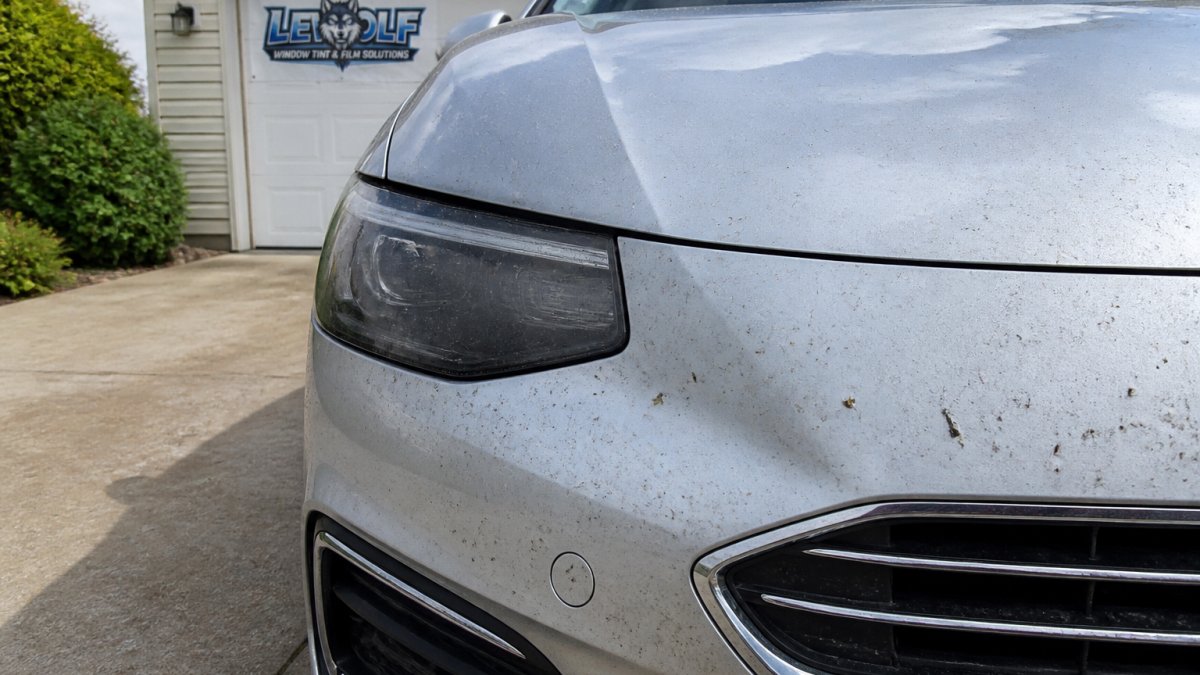
Rock chips cluster in a predictable pattern: front bumper, the leading third of the hood, fender edges, and side mirror caps. Higher speeds and more highway miles mean more impacts. A commuter logging long interstate miles sees this damage accelerate far faster than a car that mostly runs errands around town.
Scratches, Swirl Marks, and Sun Damage
Automatic car washes, drying towels, and roadside branches leave fine scratches and swirl marks in clear coat. UV exposure does the slower work, dulling and oxidizing paint over years of open-air parking. Film takes those hits so the clear coat underneath does not.
Paint Protection Film Cost: What Coverage Levels Run
Exact paint protection film cost depends on vehicle size, film brand, and installer, so any single number you see online should be treated with suspicion. What matters is how coverage levels change the scope of the job and what actually moves a quote up or down. For specific pricing, please refer to our website or contact us for a quote.
Partial-Front vs Full-Front vs Full-Vehicle Coverage
| Coverage Level | Panels Covered | Typical Installed Price Range | Best For | Trade-off |
|---|---|---|---|---|
| Partial-front | Bumper, partial hood, partial fenders, mirrors | Roughly $500-$900 | Budget-conscious commuters | Hood edges above the film stay exposed |
| Full-front | Full bumper, full hood, full fenders, mirrors | Roughly $1,200-$2,000 | Most daily drivers | Higher cost, best protection-per-dollar |
| Full-vehicle | Every painted panel | Roughly $4,000-$7,000+ | New or high-value vehicles | Highest cost, protects areas that rarely chip |
What Actually Changes Your Quote
- Vehicle size and panel complexity. More square footage and more compound curves mean more film and more labor. A large SUV or truck can run 30-50% above a compact car for the same coverage level.
- Film brand and grade. Premium film from an established manufacturer costs more per roll than entry-level film, and the installer's labor is often the larger share of the bill either way.
- Pre-cut vs bulk film. Pre-cut kits are faster to install and usually cheaper; bulk film hand-trimmed and edge-wrapped takes longer but produces a cleaner, more durable result.
For most commuters, full-front is the sweet spot. It covers the panels that actually take hits without paying to wrap doors and a roof that mostly see door dings and bird droppings.
How Long Does Paint Protection Film Last?
Quality film typically lasts five to ten years, and the range comes down to film grade, sun exposure, and how the car is washed. Entry-level film on a car parked outside in strong sun will land at the low end. Premium film from an established manufacturer, installed and maintained properly, tends to reach the upper end.
How long does paint protection film last is really a question about the topcoat. Modern film carries a clear topcoat that resists yellowing, staining, and minor scratches, and some formulations self-heal light swirls when heat is applied. When that topcoat degrades, the film is done, even if the urethane underneath still looks intact.
Paint Protection Film Pros and Cons for Commuters
The honest pros and cons of paint protection film for a commuter come down to where you drive and how long you keep the car. Film wins on highway-heavy routes and long ownership. It loses when the car is a short-term lease or already has paint damage worth fixing first.
Pros:
- Absorbs rock chips and road debris on the panels that take the most abuse
- Resists swirl marks from washing and light scratches from daily contact
- Blocks UV damage that dulls and oxidizes clear coat
Cons:
- Adds meaningful cost upfront, especially at full-vehicle coverage
- Cannot prevent dents, deep impacts, or damage to uncovered panels
- Requires proper washing to avoid trapping grit under the film edge
PPF vs Ceramic Coating: Which One a Daily Driver Needs
PPF and ceramic coating solve different problems, and the right answer for a daily driver is usually both, applied in the right order. Film provides physical impact protection. Ceramic coating provides chemical resistance, easier washing, and a hydrophobic surface that sheds water and contaminants.
If you can only afford one, choose film for a highway commuter and ceramic coating for a garaged weekend car. Film stops chips; coating does not.
Do not let anyone sell you ceramic coating as chip protection. Coating is measured in microns and a gravel strike does not care. If chip protection is your goal, that is film's job.
For drivers who want both, the standard sequence is film first, then coating over the film and the remaining panels. That gives you impact protection where it counts and a slick, easy-clean surface everywhere else.
When PPF Is Not Worth It: Limitations and Break-Even Scenarios
PPF stops being a smart buy when the math does not work: short ownership, low annual mileage, or a vehicle whose paint already needs correction. Film protects paint that is worth protecting, and it cannot fix damage that is already there. The useful question is not "is PPF worth it" in the abstract but "does the expected repair cost over my ownership window exceed the film cost."
A Simple Break-Even Framework
You do not need a spreadsheet to run this, but the logic is the same one a shop uses when advising a customer. Compare three numbers:
- Film cost for your coverage level. For planning figures, please refer to our website for current pricing.
- Expected repaint or repair cost without film. A front bumper and hood repaint on a typical daily driver can be a significant expense at a quality body shop, and matching factory finish on metallic or pearl colors adds cost. Rock-chip repair without a full repaint is cheaper per chip but rarely restores a factory look.
- Your exposure and ownership window. Highway-heavy miles over five-plus years produce far more chip damage than low-mileage city driving over two years.
A common pattern: a commuter logging heavy interstate miles and keeping the car five or more years often reaches the film cost in avoided repaint and resale-value preservation. A two-year lease with mostly in-town driving rarely does. The film does not have to "pay for itself" in cash to be worth it, preserved original paint is worth money at trade-in, but the case gets weaker as ownership shortens and mileage drops.
Daily-Driver Exposure Profiles
| Driving Profile | Chip Risk | PPF Case |
|---|---|---|
| Highway commuting (long interstate miles) | High, constant gravel and debris at speed | Strong, especially full-front |
| Urban parking and city driving | Moderate, more door dings than chips | Weaker for chips; film helps with scratches, not dings |
| Gravel or rural roads | Very high, loose stone at speed | Strongest case for full-front or more |
| Winter driving with road salt and sand | High, sand and salt spray | Strong, and film simplifies winter cleanup |
| Low-mileage, garaged weekend use | Low | Usually not worth it |
Damage PPF Cannot Prevent
Film absorbs chips and light scratches. It does not stop door dings from parking lots, hail damage, collision repairs, or deep gouges that exceed the film's thickness. It also does nothing for panels you did not cover, which is why partial coverage leaves the rest of the car exposed by design. And the film itself can be damaged, a deep impact can tear or mar the film, which then needs a section replaced.
Older, Used, and Lower-Value Vehicles
On a well-worn daily driver, spend money on paint correction first and film second, if at all. On a leased car you will hand back in two years, film mostly benefits the next owner. The break-even case is strongest on a new or recently purchased vehicle you plan to keep and drive hard on the highway.
Film pays off when three things line up: a car you plan to keep, highway-heavy miles, and paint worth preserving. Miss any one of those and the case gets weaker fast.
Installation, Maintenance, and Warranty Terms
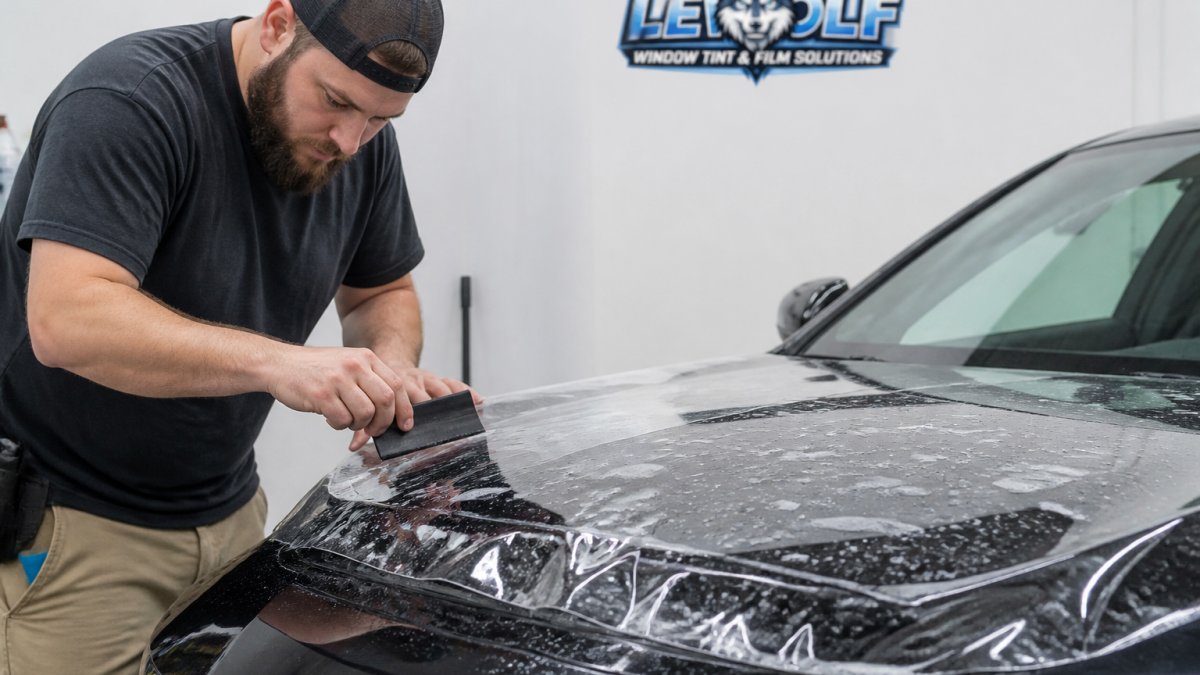
Installation quality decides whether film lasts two years or ten. Proper surface preparation, a clean and controlled space, and a skilled installer matter more than the film label on the box. Ask what happens if the film lifts or bubbles, and get the warranty terms in writing before you book.
Maintenance is simple but not optional. Hand wash or touchless washes, avoid high-pressure nozzles aimed at film edges, and skip the abrasive brush tunnels. Most premium films carry multi-year warranties against yellowing, bubbling, and delamination, but those terms usually require reasonable care.
At LeWolf Window Tint & Film Solutions, we install 3M-certified paint protection film and walk every customer through coverage options before quoting, so you know exactly which panels are protected and what the warranty covers. 3M's paint protection film documentation is a useful reference for film specifications, and the FTC's guidance on warranty disclosures explains what a written warranty should spell out. For questions about how film interacts with clear coat, SAE International's automotive materials standards covers the technical side.
Frequently Asked Questions
Is paint protection film worth it on an older daily driver?
It depends on the vehicle's value and how long you plan to keep it. On an older car with existing chips and scratches, paint correction is usually needed before film goes on, which adds to the paint protection film cost. If the car is worth less than the film package and you plan to sell within a couple of years, the math rarely works. If you're keeping it five-plus years and the paint is in decent shape, partial-front coverage on the bumper and hood can still pay off by slowing further damage.
Does paint protection film prevent rock chips and scratches?
PPF absorbs most of the impact from stone chips, road debris, and light scratches before they reach the paint. It handles the everyday hits a commuter picks up on the highway: gravel from trucks, bug splatter, and minor parking-lot scuffs. It will not stop a deep dent, a heavy collision, or damage from a key. Self-healing top coats also close light swirl marks with heat, which keeps the film looking clear between washes.
Should I get full-body or partial-front paint protection film?
Most daily drivers do fine with full-front coverage: bumper, hood, fenders, and side mirrors. Those are the high-impact areas where rock chips land first. Full-vehicle coverage makes sense for a new or high-value car you plan to keep long-term, or for matte and satin paint that is hard to repair. Partial-front coverage is the budget option, but it leaves the hood and fenders exposed to the debris that causes most chips.
Is paint protection film better than ceramic coating for a daily driver?
They solve different problems, so the right pick depends on your goal. PPF is a physical layer that stops rock chips and scratches; ceramic coating is a chemical layer that makes washing easier and adds UV and hydrophobic protection but does nothing against impact. Many daily drivers get both: film on the high-impact areas and ceramic coating over the rest. If you can only afford one and chip damage worries you most, PPF is the stronger choice.
Deciding whether film is worth it gets a lot easier once you know which panels actually take the damage. If you drive highway miles and plan to keep the car, full-front coverage is the version of this purchase that makes sense. Book an appointment with LeWolf Window Tint & Film Solutions for a coverage walkthrough, a written quote, and warranty terms before you commit, backed by 3M certification and a veteran-owned team with 30 years of installation experience.