
12 min readBy Joshua Leleux
Table of Contents
- What to Expect When You Get a Residential Window Tint Quote
- Types of Residential Window Tint and How They Affect Pricing
- How to Measure Windows for Tinting Before Requesting a Quote
- Factors That Influence Your Residential Window Tinting Cost
- Using a Residential Window Tinting Cost Calculator
- Professional Window Film Installation Process and Timeline
- Why Professional Installation Matters: Warranty and Quality Assurance
- Conclusion
- Frequently Asked Questions
Last Updated: September 23, 2026
What to Expect When You Get a Residential Window Tint Quote
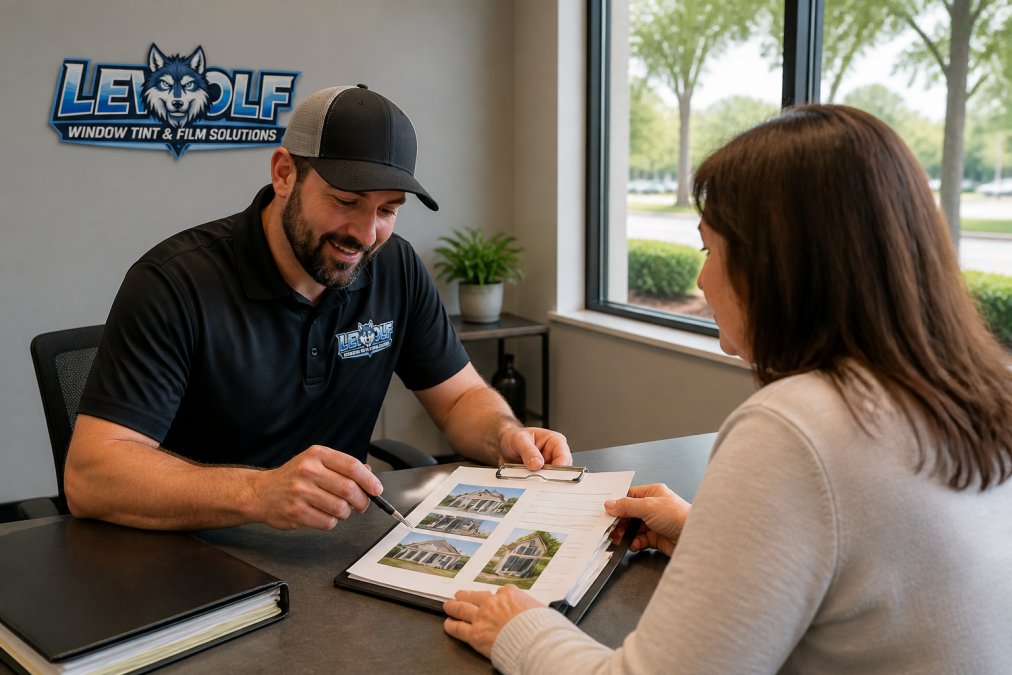
Getting a residential window tint quote is the first step toward protecting your home from heat, UV rays, and unwanted glare. Installers assess your windows, discuss your goals, and provide pricing based on your specific needs through a site visit or virtual consultation.
A comprehensive quote should include film type, square footage, installation timeline, and warranty coverage. Most quotes are free, allowing you to compare options before committing.
The quote process is an opportunity to ask about UV protection, energy savings, and film appearance. Professional installers should explain the difference between basic dyed films and premium options that offer superior heat rejection and durability.
Types of Residential Window Tint and How They Affect Pricing
Residential window tinting films come in several varieties with different performance levels and price points. Understanding these options helps you get an accurate residential window tint quote and choose the best solution for your home.
Dyed window films are the most affordable option, using dye to reduce glare and block some heat. They fade over time and don't provide strong UV protection, but cost less per square foot.
Metallized films contain metal particles that reflect heat and UV rays, providing superior heat rejection and durability. However, they can interfere with cell phone signals and have a reflective appearance, commanding a higher price.
Ceramic films use ceramic particles to offer excellent heat rejection without signal interference, blocking up to 99% of UV rays while maintaining clarity. They're the most durable option and justify higher cost through long-term energy savings.
Low-emissivity (Low-E) films improve thermal insulation by reflecting heat inward in winter and blocking it in summer, ideal for climates with temperature swings and reducing utility bills.
Your residential window tint quote will reflect these differences. Premium ceramic films cost more upfront but deliver better performance and longevity, while budget films cost less initially but may need replacement sooner.
How to Measure Windows for Tinting Before Requesting a Quote
Accurate measurements are essential for getting an honest residential window tint quote. Professional installers will remeasure during a site visit, but having your own measurements ready speeds up the process.
Measure each window's width and height in inches from inside the frame. Multiply width by height to get square footage for each window. For example, a 36-inch by 48-inch window equals 12 square feet. Add all windows to determine total square footage for your residential window tinting project.
Record measurements by room and note which windows receive direct sunlight. North-facing and south-facing windows have different tinting needs, and your quote should reflect these variations.
For sliding glass doors and patio doors, measure the glass area and clarify whether you want frames covered. Double-check your math before submitting measurements.
Professional installers will verify all measurements during consultation and provide an accurate residential window tint quote based on your estimates.
Factors That Influence Your Residential Window Tinting Cost
Several variables affect the price in your residential window tint quote. Understanding these factors helps you anticipate costs and recognize reasonable pricing.
Film quality is the primary cost driver. Premium ceramic films cost more than basic dyed films, sometimes doubling the per-square-foot price. Your quote should clearly state which film type is included.
Total square footage directly impacts labor and material costs. Installers price projects based on total coverage area, which is why accurate measurements matter.
Window complexity affects installation time and cost. Simple, flat windows are faster to tint than arched, curved, or oddly-shaped windows. Windows with multiple panes or decorative frames require more precision and time. Your residential window tint quote should note if you have unusual window configurations that increase labor costs.
Installation difficulty varies by location. Ground-floor windows are easier to access than second-story windows. Tinting windows in tight spaces or behind furniture takes longer. Some homes require special equipment or safety measures. These factors influence the labor portion of your quote.
Local market rates determine what installers charge per hour. Urban areas typically have higher labor costs than rural regions. Established installers with strong reputations often charge more than newer companies. Your quote reflects the local market and the installer's experience level.
Additional services add to your quote. UV protection certification, glare reduction guarantees, or specialized tinting for security purposes increase costs. Some installers offer energy-savings guarantees or extended warranties, which justify higher pricing. Your quote should itemize any add-ons separately.
Warranty coverage affects price. A five-year warranty costs less than a fifteen-year warranty. Premium films backed by comprehensive warranties justify higher quotes. LeWolf Window Tint & Film Solutions stands behind its installations with clear warranty terms that protect your investment.
Using a Residential Window Tinting Cost Calculator
Many window tinting companies offer online calculators to help estimate costs before you request a formal residential window tint quote. These tools provide ballpark figures based on square footage, film type, and location. While not as accurate as an in-person estimate, a calculator gives you a starting point for budgeting.
To use a cost calculator effectively, enter your total window square footage accurately. Select the film type you're considering, whether basic dyed film, metallized film, or premium ceramic. Specify your location, as regional labor rates vary. The calculator will generate an estimated price range based on typical market rates in your area.
Keep in mind that online calculators provide estimates, not binding quotes. Actual costs may be higher or lower depending on your specific situation. A calculator can't account for unusual window shapes, difficult access, or other complications that affect labor time. Use the calculator result as a reference point, not a guarantee.
The most valuable use of a cost calculator is comparing film types. Run the calculation for dyed film, then for ceramic film, to see how much premium options cost. This helps you understand the price difference and decide whether the performance benefits justify the extra expense. A calculator makes it easy to explore "what if" scenarios before contacting installers.
After using a calculator, request formal quotes from actual installers. They'll provide detailed breakdowns and account for factors a generic calculator can't assess. Professional quotes are more reliable than calculator estimates and form the basis for your final decision.
Professional Window Film Installation Process and Timeline
Understanding the installation process helps you prepare for the project and anticipate disruptions to your daily routine. Professional installers follow a systematic approach that ensures quality results and proper film adhesion. Your residential window tint quote should include a timeline for completion.
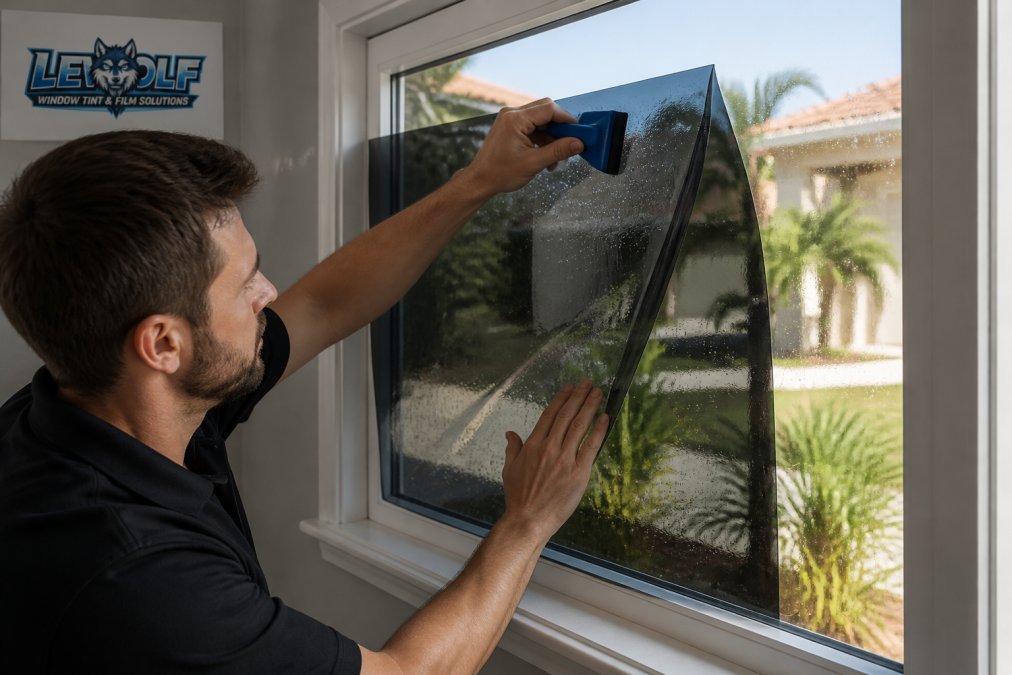
The installation process begins with thorough window cleaning. Installers remove dust, dirt, and debris from the glass surface. Any contamination prevents proper film adhesion and creates visible imperfections. This preparation step is crucial and shouldn't be rushed.
Next, the installer measures and cuts the film to match your window dimensions precisely.
Why Professional Installation Matters: Warranty and Quality Assurance
Choosing professional installation over DIY application significantly impacts the longevity and appearance of your residential window tint. Professional installers bring expertise, specialized tools, and accountability that DIY attempts cannot match. This difference justifies the labor costs included in your residential window tint quote.
Conclusion
Getting a residential window tint quote is the smart first step toward protecting your home from heat, UV damage, and glare. A comprehensive quote includes film type, square footage, installation timeline, and warranty details that shape your decision. LeWolf Window Tint & Film Solutions provides transparent quotes backed by 30 years of professional expertise and 3M certification. Our team explains your options clearly, ensuring you understand what you're paying for and what performance you'll receive.
Frequently Asked Questions
What information do I need to provide to get a residential window tint quote?
To get an accurate residential window tint quote, provide your window measurements (width and height in inches), the number of windows you want tinted, your desired tint percentage, and the film type you prefer. You'll also want to specify your main goals, UV protection, heat rejection, glare reduction, or privacy. If you're unsure about measurements, many installers offer free on-site assessments. The more details you provide upfront, the more precise your quote will be.
Does residential window tinting improve home energy efficiency?
Yes. Residential window film blocks infrared radiation and reduces visible light transmission, which lowers cooling costs in summer by preventing heat gain through windows. The amount of energy savings depends on your climate, window orientation, and the film's solar heat rejection rating. Homes in hot climates typically see the most significant utility bill reduction. UV protection also prevents furniture and flooring from fading, which extends the life of your interior furnishings.
How long does a residential window tint installation typically take?
Installation time depends on the number and size of windows. A typical residential project with 8-12 windows usually takes 4-8 hours. Larger homes or projects with complex window configurations may require a full day or multiple visits. Professional installers work methodically to ensure proper glass surface preparation, film application, and edge sealing. Most installers can schedule after-hours or weekend installations if business disruption is a concern.
What are the benefits of professional window film installation?
Professional installation ensures proper glass integrity, correct film thickness application, and a seamless finish without bubbles or wrinkles. Certified installers understand how to handle different window types and climate conditions. Professional-grade films come with warranty coverage that protects against peeling, discoloration, and defects. Professional installers also provide maintenance guidance and stand behind their work, whereas DIY installation risks poor adhesion, visible imperfections, and voided warranties.