

14 min readBy Joshua Leleux
Table of Contents
- What Is a Ceramic Coating Warranty?
- What Does Your Ceramic Coating Warranty Actually Cover?
- Common Exclusions and Conditions That Void Coverage
- Ceramic Coating Maintenance Requirements and Your Warranty
- The Ceramic Coating Warranty Claim Process
- Ceramic Coating vs Paint Protection Film Cost and Coverage
- Professional Application vs DIY: How It Affects Your Warranty
- Duration, Transferability, and Fine Print You Need to Know
- Frequently Asked Questions
Last Updated: September 30, 2026
What Is a Ceramic Coating Warranty?
A ceramic coating warranty is a manufacturer's guarantee that protects your vehicle's paint finish against specific types of damage and degradation for a defined period. Unlike traditional paint protection, ceramic coatings create a hard, transparent layer bonded to the clear coat, offering UV protection, chemical resistance, and hydrophobic properties. The warranty covers defects in the coating itself, delamination, loss of hydrophobic properties, or premature failure, but understanding what "covers" actually means requires reading the fine print carefully.
At LeWolf Window Tint & Film Solutions, we understand that customers often purchase ceramic coatings expecting comprehensive protection, only to discover their warranty excludes specific types of damage. The difference between a comprehensive warranty and a restrictive one often comes down to how the manufacturer defines "coverage" and what maintenance requirements they impose.
Ceramic coating warranties typically range from 2 years to lifetime, though the longest warranties come with the strictest conditions. A 5-year warranty is common for professional-grade applications, while budget coatings might offer 2-3 years. The duration is less important than what's actually covered during that time.
What Does Your Ceramic Coating Warranty Actually Cover?
Your ceramic coating warranty typically covers manufacturing defects, application failures, and loss of the coating's protective properties under normal use. This means if the coating delaminates, loses its gloss retention, or fails to maintain its hydrophobic characteristics within the warranty period, the manufacturer will refinish the affected area at no cost.
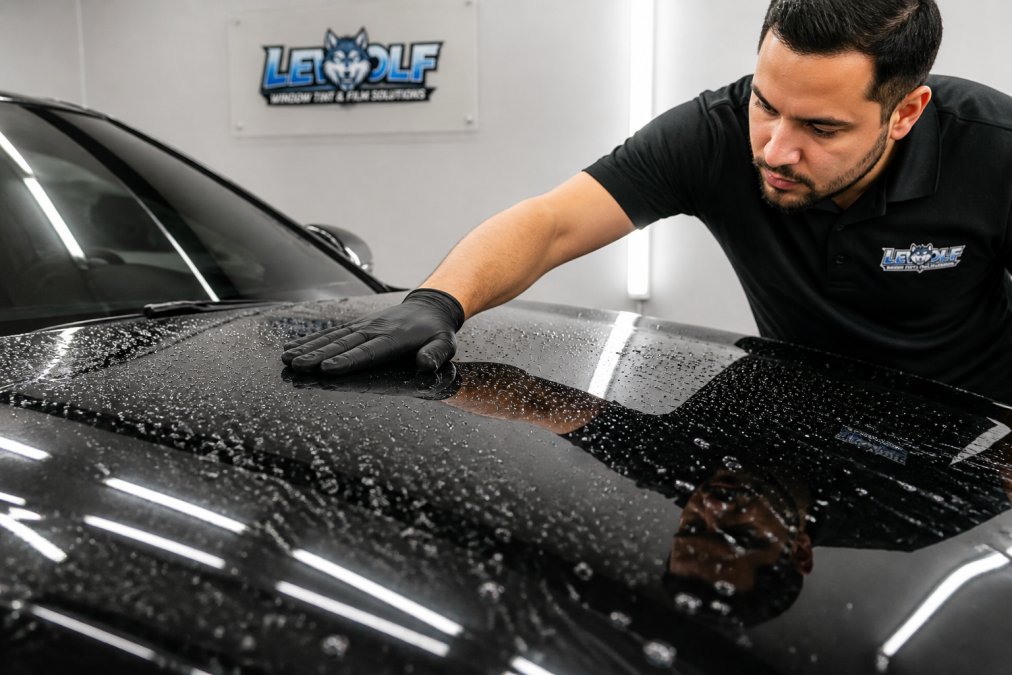
Coverage specifics vary dramatically by manufacturer and product tier. Coverage specifics vary dramatically by manufacturer and product tier. Some coatings may cover paint correction prior to application, ensuring proper surface preparation and paint thickness measurement, while others may cover only the ceramic layer itself, not the underlying paint. Some warranties may exclude damage related to environmental contaminants or improper maintenance.
Most warranties cover:
- Delamination of the coating from the clear coat
- Loss of hydrophobic properties (water no longer beads)
- Premature oxidation under the coating
- Gloss degradation beyond normal weathering
- Workmanship defects from the installer
What they typically don't cover is addressed in the next section. The key distinction is that a warranty covers the coating's failure to perform as advertised, not your failure to maintain it. That distinction matters enormously when a claim is denied.
Common Exclusions and Conditions That Void Coverage
This is where ceramic coating warranties become restrictive. Most manufacturers include exclusions that, if violated, eliminate coverage entirely. Understanding these is non-negotiable before signing.
Common voiding conditions include:
- Improper maintenance: Failing to perform the required maintenance wash schedule (typically every 3-6 months) voids coverage immediately. Some warranties require a specific pH-neutral soap; using dish soap or automatic car washes can trigger denial.
- Chemical damage: Bird dropping damage, tree sap etching, hard water spots, and acid rain damage are frequently excluded because they're considered environmental hazards, not coating failures.
- Paint correction after application: If you need paint correction (wet sanding, polishing) after the coating is applied, you've likely voided the warranty. The coating bonds to the clear coat, and any abrasive work removes it.
- Improper application: If the coating wasn't applied by an authorized installer or didn't cure for the required time (typically 7-14 days without water exposure), coverage is void.
- Surface contamination: If the paint wasn't properly decontaminated during application (iron fallout, tar removal, clay bar treatment), the coating may fail and the warranty won't cover it because the installer didn't meet application standards.
Transferability is another hidden exclusion. Most ceramic coating warranties are non-transferable, they cover only the original owner. If you sell the vehicle, the new owner has no warranty coverage, which affects resale value.
Ceramic Coating Maintenance Requirements and Your Warranty
Your warranty is only valid if you follow the manufacturer's maintenance schedule precisely. This is the enforcement mechanism that allows manufacturers to offer long warranties, they're betting you'll fail to maintain it.
Typical maintenance requirements include:
- Initial curing period: 7-14 days with no water exposure. This means no rain, no washing, no car cover that traps moisture. Some coatings require 30 days before the first maintenance wash.
- Maintenance wash schedule: Every 3-6 months with pH-neutral soap, hand-washing only. High-pressure washers and automatic car washes are prohibited.
- Annual inspection: Many warranties require documented annual inspections by the original installer or an authorized dealer. Missing even one inspection can void coverage.
- Maintenance log: Some premium warranties require you to maintain a detailed log of every wash, inspection, and treatment. Digital record-keeping tools are increasingly common, manufacturers may require photos or dated entries.
- Decontamination wash: Every 6-12 months, you may need a professional decontamination wash (iron fallout removal, tar removal) to maintain warranty validity.
The burden is entirely on you. If you can't produce documentation of your maintenance schedule when a claim is filed, the manufacturer will deny it. This is why digital record-keeping has become critical, phone photos with timestamps, maintenance logs in a dedicated app, or service records from your installer.
LeWolf Window Tint & Film Solutions provides maintenance guidance specific to your coating and application, but the responsibility to follow through is yours.
The Ceramic Coating Warranty Claim Process
When you believe your ceramic coating has failed, the claim process is typically rigid and difficult. Understanding the steps beforehand prevents surprises.
Ceramic Coating vs Paint Protection Film Cost and Coverage
Ceramic coatings and paint protection film serve different purposes and come with different warranty structures. Understanding the distinction clarifies which is right for your vehicle.
| Aspect | Ceramic Coating | Paint Protection Film |
|---|---|---|
| Primary Protection | UV, oxidation, chemical etching | Physical damage, rock chips |
| Typical Warranty | 2-10 years | 5-10 years |
| Coverage Type | Coating failure, hydrophobic loss | Film failure, yellowing, peeling |
| Maintenance | Regular hand washing, decontamination | Minimal, occasional cleaning |
| Cost Factor | Lower initial, higher maintenance burden | Higher initial, lower maintenance |
| Transferability | Rarely transferable | Usually non-transferable |
Professional Application vs DIY: How It Affects Your Warranty
This is the most consequential decision affecting your warranty coverage. Professional application and DIY application have entirely different warranty terms, and the difference is stark.
Duration, Transferability, and Fine Print You Need to Know
The headline numbers on a ceramic coating warranty, "10-year coverage" or "lifetime protection", obscure the actual terms buried in the fine print.
Fine print to watch for:
- Curing requirements: Some coatings require 30 days before the first wash; others require 14 days. Violating this voids coverage.
- Inspection intervals: Annual inspections may be mandatory. Missing one can void the entire warranty.
- Paint correction limitations: Some warranties exclude any damage caused by paint correction or polishing after application.
- Transferability clauses: Explicitly state whether the warranty transfers to subsequent owners.
- Coverage degradation: Clarify whether coverage decreases over time or remains constant.
Frequently Asked Questions
Does a 5-year ceramic coating warranty really last 5 years?
A 5-year ceramic coating warranty covers manufacturer defects and workmanship guarantee for that period, but actual gloss retention and hydrophobic properties depend on maintenance. If you follow the required maintenance wash schedule and avoid conditions that void coverage, the coating typically maintains 80-90% of its protective qualities. Annual inspections help catch early signs of delamination or coating failure before they worsen.
What voids a ceramic coating warranty?
Common warranty voiding conditions include improper maintenance wash techniques, using abrasive materials on the surface, parking under trees where bird droppings or sap cause etching, exposure to harsh chemicals without proper decontamination, and failure to perform annual inspections. Professional application standards must be followed during installation, DIY application or use of unauthorized installers typically voids coverage. Always check your specific warranty document for exact exclusions.
What is the ceramic coating warranty claim process?
To file a claim, document the issue with photos and maintain your maintenance log showing regular care. Contact your coating provider or authorized installer with your warranty registration details and claim documentation. They will inspect the damage to verify it's a manufacturer defect or workmanship issue rather than owner negligence. If approved, they typically repair or reapply the coating at no cost. Keep all receipts from maintenance services as proof of proper care.
Is ceramic coating warranty worth the extra cost compared to paint protection film?
Ceramic coating warranties typically cost less upfront but require strict maintenance schedules to remain valid. Paint protection film offers broader physical damage coverage without as many maintenance requirements, though it covers only specific areas. The choice depends on your vehicle's use, luxury vehicles with regular garage storage benefit from ceramic coatings, while daily drivers exposed to harsh conditions may benefit more from paint protection film's durability against rock chips and chemical resistance.
Can I transfer my ceramic coating warranty to a new owner?
Transferability depends on your specific warranty terms. Many manufacturer warranties are non-transferable and remain with the original vehicle owner. Some professional installers offer transferable warranties as a selling point. Check your warranty documentation or contact your installer to confirm. If transferability is important for resale value, discuss this before application and ensure it's documented in writing.
What should I look for in ceramic coating warranty fine print?
Pay attention to coverage duration (years vs. lifetime claims), specific maintenance requirements and frequency, what counts as manufacturer defect versus normal wear, exclusions like UV protection claims or gloss retention percentages, annual inspection requirements, claim documentation needs, and whether the warranty transfers. Understand surface preparation standards and curing time requirements, improper curing can void coverage. Digital record-keeping tools help track maintenance and protect your claim eligibility.