

12 min readBy Joshua Leleux
Table of Contents
- Paint Protection Film vs Ceramic Coating: What's the Difference?
- Comparison Table: PPF and Ceramic Coating at a Glance
- How Long Does Ceramic Coating Last?
- Automotive Paint Protection Film Cost Guide
- Can You Put Ceramic Coating Over PPF?
- Maintenance and Long-Term Care
- Which Option Is Right for Your Vehicle?
- Frequently Asked Questions
Last Updated: October 2, 2026
Paint Protection Film vs Ceramic Coating: What's the Difference?
When it comes to protecting your vehicle's paint, two technologies dominate the market: paint protection film and ceramic coating. Both shield your car from environmental damage, but they work in fundamentally different ways. Understanding those differences is critical before you invest in either one.
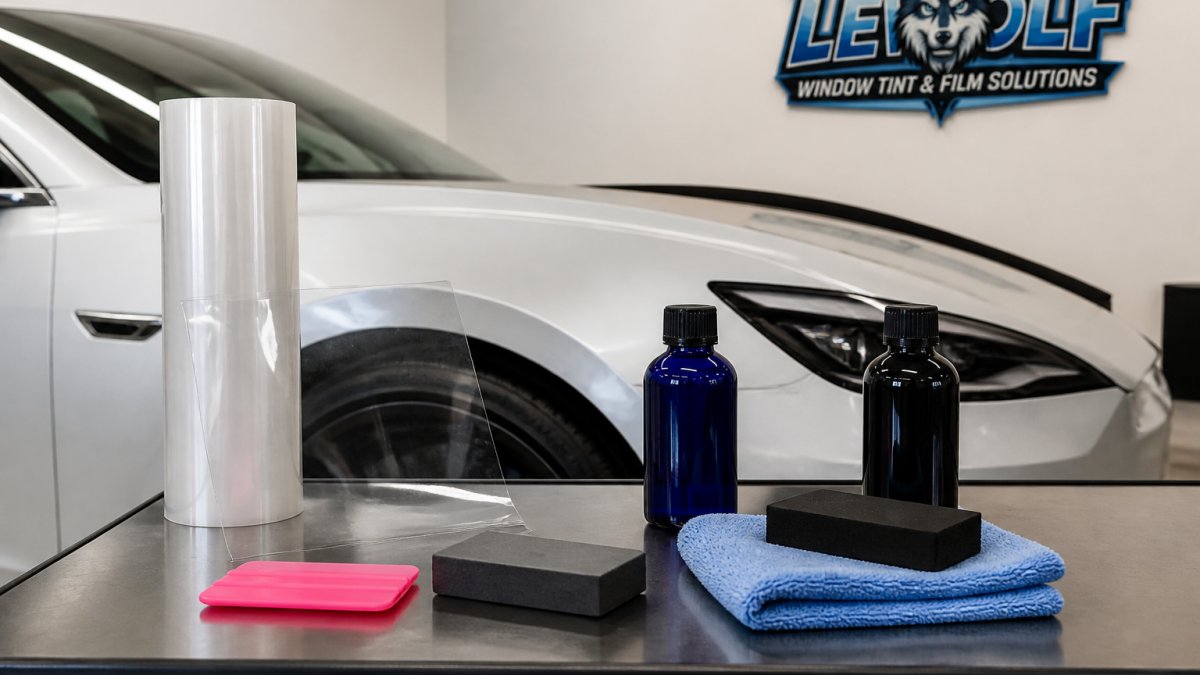
Paint protection film is a physical barrier, a thin, transparent urethane layer applied directly to your vehicle's clear coat.
At LeWolf Window Tint & Film Solutions, we've installed both. What we've learned is that many car owners treat this as an either-or decision when the real answer is more nuanced. Some situations call for film.
Physical vs. Chemical Protection
Paint protection film creates a sacrificial layer between your paint and the road. Rock chips, road debris, and stone impacts hit the film first, not your clear coat. The film absorbs the impact.
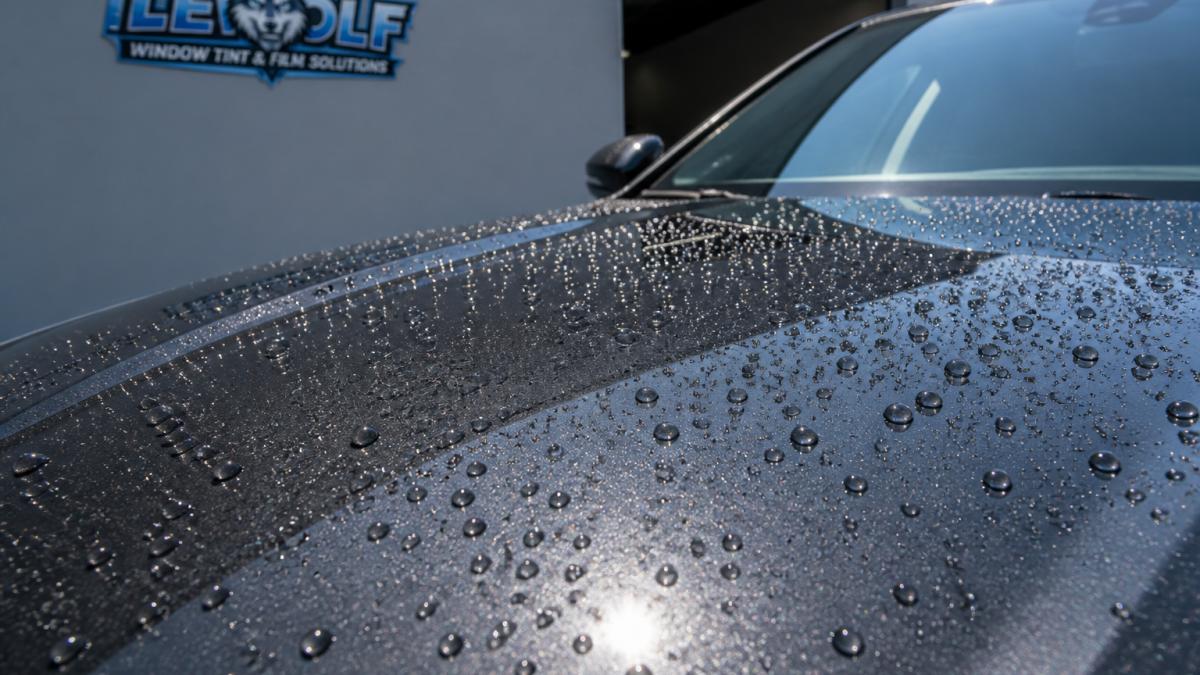
Ceramic coating works differently. Instead of blocking impacts, it creates a chemical bond with your paint that resists environmental contaminants. Bird droppings, tree sap, acid rain, and UV rays damage unprotected paint.
The key difference: film protects through physical absorption. Ceramic protects through chemical resistance and hydrophobic properties.
Comparison Table: PPF and Ceramic Coating at a Glance
| Factor | Paint Protection Film | Ceramic Coating |
|---|---|---|
| Primary Protection | Physical impact barrier | Chemical resistance, hydrophobic |
| Stops Rock Chips | Yes, completely | No |
| Self-Healing | Yes (heat-activated) | No |
| UV Resistance | Very high | Very high |
| Maintenance | Moderate (regular wash) | Low (water beads off easily) |
| Application Time | 4-8 hours (full car) | 2-4 hours (full car) |
| Longevity | 5-10 years | 3-5 years typically |
| Yellowing Risk | Minimal with quality brands | Not applicable |
| Installation Cost | Higher | Lower |
How Long Does Ceramic Coating Last?
Most ceramic coatings last between three to five years with proper maintenance. Professional-grade coatings can extend to seven years in some conditions, but that assumes consistent care and ideal environmental conditions.
The real variable isn't just the product lifespan, it's what happens when the coating degrades and what removal costs you. Ceramic coating doesn't simply "wear off" evenly. It degrades in patches, creating uneven hydrophobic zones where some areas bead water and others don't. This creates a maintenance dilemma: you can either live with spotty protection, or you can remove and reapply.
The Hidden Cost: Ceramic Coating Removal
Removing a failed ceramic coating is labor-intensive and expensive. Unlike paint protection film, which peels away cleanly, ceramic coating must be mechanically abraded or chemically stripped from the clear coat.
The risk: aggressive removal techniques can thin or damage the clear coat, especially on older vehicles where the clear coat is already compromised by UV exposure.
This is why many professionals recommend reapplying ceramic coating every 2-3 years rather than waiting for complete failure. Preventive reapplication avoids the risk of clear coat damage. Over a 10-year vehicle ownership period, you're committing to ceramic maintenance alone, not including the initial application.
Ceramic vs. PPF Longevity Trade-Off
Paint protection film, by contrast, has a cleaner end-of-life cycle. After 5-10 years, the film simply peels away without damaging the clear coat underneath (assuming professional installation and no UV degradation of the adhesive). Removal is labor-intensive. The paint underneath remains pristine, ready for a fresh film application or left unprotected.
This makes PPF more predictable for long-term cost planning. Ceramic coating's degradation pattern and removal costs create hidden expenses that many owners don't anticipate until they're facing a patchy, failing coating and a $500+ removal bill.
Environmental Factors That Shorten Ceramic Lifespan
Ceramic coating degrades faster in harsh climates. Vehicles in areas with frequent acid rain, high salt exposure (coastal regions or winter road salt), or intense UV (desert climates) see ceramic coatings fail in 2-3 years rather than 5. Conversely, vehicles in mild, dry climates with minimal sun exposure can stretch ceramic to 6-7 years.
This variability makes the "3-5 year" claim misleading for many owners. If you live in a climate with aggressive environmental conditions, budget for ceramic reapplication every 2-3 years, which compounds the total cost of ownership significantly.
Automotive Paint Protection Film Cost Guide
Paint protection film installation varies based on coverage area and vehicle type. Full-vehicle coverage costs more than partial (bumper, hood, fenders only). The specific film brand matters too, premium self-healing films command higher prices than basic protective films.
Professional installation is non-negotiable. Poor application results in bubbles, peeling edges, and visible seams that ruin the aesthetic and compromise protection. LeWolf Window Tint & Film Solutions handles installation with precision, ensuring bubble-free application and proper curing.
For exact pricing and a custom quote for your vehicle, visit the LeWolf Window Tint & Film Solutions pricing page or contact our team directly. We provide transparent estimates with no hidden fees.
Can You Put Ceramic Coating Over PPF?
Yes, and many vehicle owners do exactly this for maximum protection. The ceramic coating bonds to the film's top surface, creating a hydrophobic layer on top of the physical barrier. This combination gives you impact protection from the film plus the chemical resistance and easy-clean properties of ceramic.
The catch: applying ceramic coating over film requires meticulous surface preparation. The film surface must be completely clean and decontaminated before coating application. Any dirt, oil residue, or contaminants trapped beneath the coating will prevent proper bonding.
Professional installation matters here. If the ceramic isn't applied correctly over the film, it won't cure properly and may peel within months. This is where choosing an experienced installer, someone who understands both technologies, becomes critical.
Maintenance and Long-Term Care
Paint protection film requires regular washing but minimal special treatment. Use a pH-balanced car wash soap and soft brushes or microfiber cloths. Avoid high-pressure washers directly on film edges, as they can lift the edges if applied incorrectly. Most film lasts 5-10 years with standard care.
Ceramic coating demands more intentional maintenance. Regular washing prevents contaminant buildup, but the coating itself needs periodic decontamination to remove embedded particles. Some owners use clay bar treatments quarterly. Others apply maintenance coatings annually to refresh the hydrophobic properties.
The real long-term cost isn't just the initial installation. It's the maintenance routine required to keep either protection performing as intended. Ceramic coating is easier to maintain day-to-day (water beads off faster), but film requires less active intervention over its lifespan.
Which Option Is Right for Your Vehicle?
The choice between paint protection film and ceramic coating depends on three factors: your climate, your driving environment, and your long-term ownership goals. A one-size-fits-all recommendation ignores the reality that protection needs vary dramatically by geography and use case.
Climate-Specific Recommendations
High-UV, Desert Climates (Arizona, Nevada, Southern California, parts of Texas): Choose ceramic coating as your primary protection. Intense UV exposure degrades clear coat faster than any other environmental factor.
Mild, Coastal Climates (Pacific Northwest, parts of California coast, Southeast): Ceramic coating alone is often sufficient unless you drive frequently on gravel or unpaved roads.
Urban Environments with Acid Rain and Pollution (Northeast cities, Pacific Northwest cities): Ceramic coating is essential. Acid rain and industrial pollutants bond to unprotected clear coat and cause permanent etching.
Driving Habits and Impact Risk
High-Impact Driving (frequent highway use, gravel roads, construction zones): Paint protection film is non-negotiable. Rock chips and road debris will damage unprotected paint or ceramic-only protection. Apply film to the hood, bumper, fenders, and door handles at minimum. Full-vehicle film is ideal if your budget allows. Ceramic coating over the film adds hydrophobic benefits without additional impact protection.
Low-Impact Driving (primarily city streets, parking lot use, minimal highway exposure): Ceramic coating alone is sufficient. You're not facing rock chip risk, so film's primary benefit is unnecessary. Ceramic handles environmental contaminants and makes washing easier. Reapply every 3-5 years depending on climate.
Resale Value Considerations
Both ceramic coating and paint protection film can positively impact resale value, but the effect is often overstated in marketing materials.
Paint protection film has a slight resale advantage because it's visible evidence of care and can be removed to reveal pristine original paint underneath, a selling point for buyers who value originality.
Ceramic coating leaves no visible trace, so it doesn't directly affect resale perception.
Neither protection method justifies itself purely on resale value. The real value is preventing costly paint correction or repainting (which costs $1,500-$5,000+) before you sell.
The Combination Approach
Many owners choose both: film on high-impact zones and ceramic on the entire vehicle. This strategy costs more upfront but provides comprehensive protection. It's ideal for new vehicles you plan to keep long-term, vehicles in harsh climates, or high-mileage drivers. The film handles rock chips; the ceramic handles environmental damage and makes maintenance easier.
Frequently Asked Questions
Can I go through a carwash with paint protection film?
Yes, properly installed PPF is carwash-safe after the curing period, typically 24-48 hours. Avoid high-pressure washes directly on seams for the first week. Once fully cured, your paint protection film withstands standard touchless and soft-cloth washes without peeling or damage. Always follow your installer's care instructions for best results.
How long does ceramic coating last on a vehicle?
Professional ceramic coatings typically last 2-5 years with proper maintenance, though premium formulations can extend durability. Longevity depends on washing frequency, exposure to environmental contaminants like bird droppings and tree sap, and UV exposure. Regular maintenance washing and decontamination extend the coating's lifespan significantly.
Can you put ceramic coating over paint protection film?
Yes, ceramic coating can be applied over PPF, and this combination offers excellent protection. The ceramic coating bonds to the PPF's top layer, adding hydrophobic properties and chemical resistance while the film provides physical impact absorption. Professional installation ensures proper surface preparation and adhesion for optimal results.
Does ceramic coating prevent rock chips and stone chips?
No, ceramic coating does not prevent rock chips or stone chips. It provides chemical resistance and hydrophobic protection but lacks the physical impact absorption of PPF. For protection against road debris and impact damage, paint protection film is the correct choice. Ceramic coating excels at protecting against environmental contaminants and oxidation.
Protecting your vehicle's paint is an investment in its appearance and resale value. Whether you choose paint protection film, ceramic coating, or both, professional installation is non-negotiable. LeWolf Window Tint & Film Solutions brings 30 years of experience to every project, ensuring precision application and lasting results. Contact us today to discuss which protection strategy works best for your vehicle and get a custom quote.