The Essential Guide to Bulletproof Glass in 2026
The Essential Guide to Bulletproof Glass in 2026
Imagine walking into a school, office, or even your own home in 2026, knowing that bulletproof glass stands quietly between you and potential threats. As security concerns escalate globally, bulletproof glass is no longer reserved for banks or armored vehicles but is becoming a vital layer of protection in everyday life.
This essential guide empowers you to understand the latest breakthroughs, practical uses, and key considerations for bulletproof glass in 2026. You will discover how it works, explore new materials and technologies, learn about industry standards, and see how installation fits into modern security strategies.
Explore your options, stay informed, and take proactive steps to safeguard what matters most.
Understanding Bulletproof Glass: What It Is and How It Works
Imagine standing behind a clear window that can withstand the impact of a speeding bullet. This is the promise of bulletproof glass, a technology that has become vital for modern safety in public and private spaces.
The Science Behind Bulletproof Glass
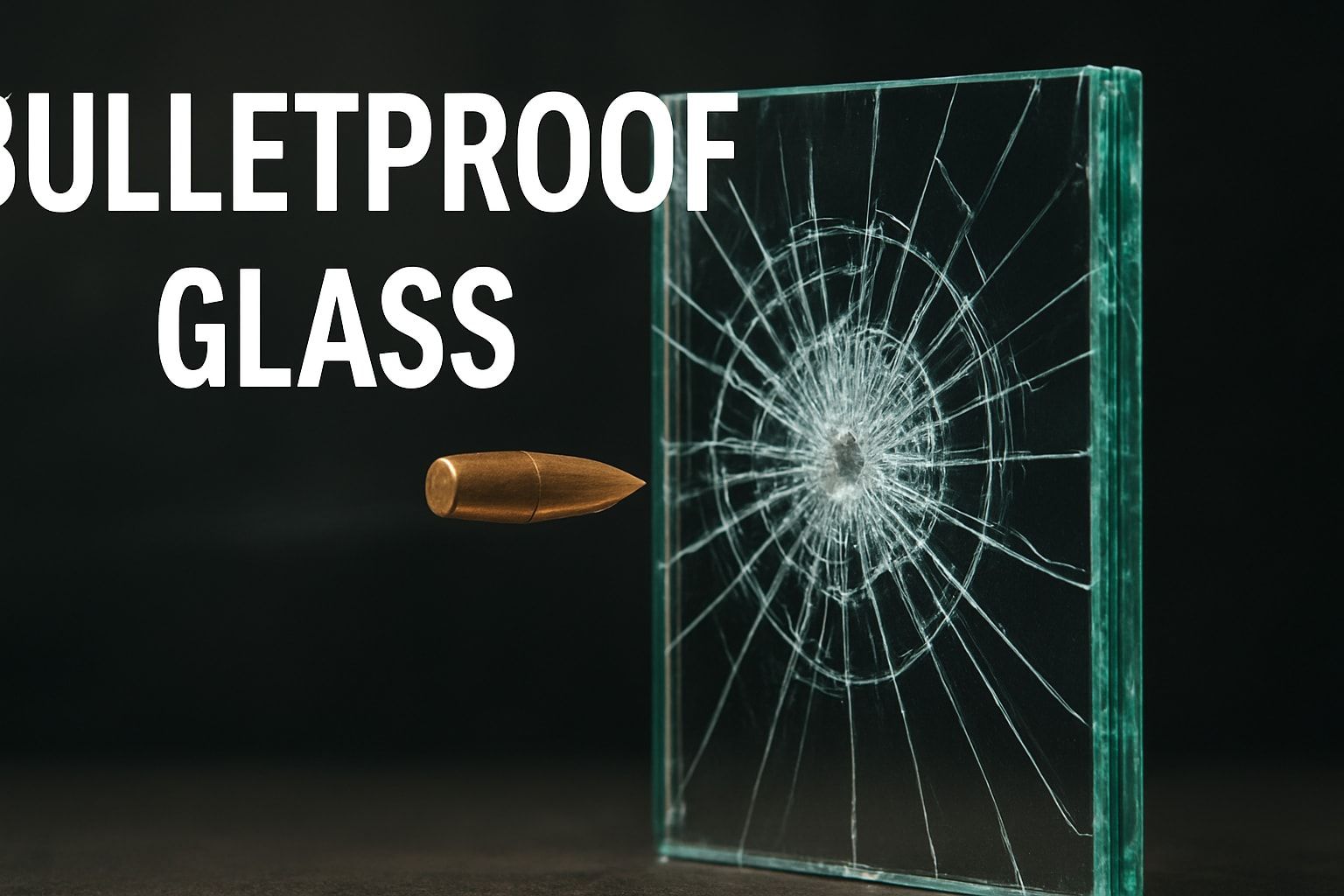
Bulletproof glass, also known as ballistic or bullet-resistant glass, is a transparent material engineered to absorb and disperse the energy from ballistic threats. Unlike standard glass, which shatters easily, bulletproof glass is made from alternating layers of glass and tough plastics like polycarbonate.
Each layer in bulletproof glass has a specific role. The outer glass layers slow down and flatten the bullet, while the plastic layers absorb and spread out the force. This process prevents penetration and reduces the risk of injury behind the barrier.
Common materials used in bulletproof glass include:
- Acrylic: Lightweight and clear, suitable for lower-level threats.
- Polycarbonate: Strong and flexible, offering high impact resistance.
- Glass-clad polycarbonate: Combines glass and polycarbonate for maximum strength.
- Laminated glass: Multiple glass layers bonded with plastic interlayers.
For example, bank teller windows and government buildings often use glass-clad polycarbonate, which can stop even UL Level 8 threats from military rifles. Compared to regular glass, bulletproof glass is thicker, more flexible, and can withstand repeated impacts without shattering.
The science behind bulletproof glass lies in its ability to distribute force. When a bullet hits, the layers work together to absorb the energy, keeping the interior safe. This makes bulletproof glass ideal for situations where both visibility and protection are essential.
Types of Bulletproof Glass
There are several types of bulletproof glass, each designed for specific threat levels and applications:
- Monolithic acrylic: Lightweight, clear, and best for low to moderate threats. Often used in transaction windows for retail and reception areas.
- Polycarbonate: Thinner than acrylic but offers greater impact resistance. Suitable for both ballistic and forced-entry protection.
- Glass-clad polycarbonate: The highest level of protection, with multiple layers for use in high-risk environments like police stations and government offices.
- Insulated ballistic glass: Combines ballistic protection with energy efficiency, making it ideal for exterior windows in schools and businesses.
Below is a comparison table summarizing key features:
TypeTypical ThicknessProtection LevelLight TransmissionWeatherabilityMonolithic Acrylic1-1.25"Low-Med (UL 1-2)High (90%+)GoodPolycarbonate0.75-1.25"Med-High (UL 1-3)Very High (92%+)ModerateGlass-Clad Polycarbonate1.25-2.5"+High (UL 4-8)High (88%+)ExcellentInsulated Ballistic1.5-3"VariesHigh (85%+)Superior
Bulletproof glass is found in a wide range of settings, including schools, retail stores, police stations, and vehicles. Each type is chosen based on the specific risks and needs of the environment.
For a deeper dive into the materials, ratings, and uses of bulletproof glass, consult this Ballistic Glass Comprehensive Guide for expert insights.
Choosing the right bulletproof glass involves balancing protection, clarity, and installation requirements. Whether for a small business or a public institution, understanding these options ensures the best fit for every security challenge.
Innovations and Advancements in Bulletproof Glass Technology (2026)
The landscape of bulletproof glass is rapidly evolving in 2026, blending breakthrough science with real-world practicality. As security needs rise across industries and daily life, manufacturers are pushing the boundaries of what bulletproof glass can achieve. This section explores the new materials, smarter features, and design innovations that are redefining protection and transparency for the future.
New Materials and Manufacturing Processes
In 2026, bulletproof glass is no longer limited to thick, heavy panels. The introduction of nanotechnology has led to nano-ceramic layers that significantly boost strength while reducing weight. These nano-ceramics bond with traditional glass or polycarbonate, creating composite panels that are both robust and easier to handle.
Advanced polymer science is also playing a pivotal role. New polycarbonate blends offer greater clarity, making bulletproof glass more visually appealing for architectural use. These polymers resist yellowing and scratching, extending the lifespan of installations in high-traffic areas.
Military applications have driven the adoption of spinel ceramics, a material that is lighter and more transparent than conventional glass. Spinel ceramics provide superior ballistic resistance and are increasingly finding their way into commercial markets due to improved manufacturing techniques.
Smart glass integration is another milestone. Modern bulletproof glass can now feature switchable opacity or tinting, giving users control over privacy and glare reduction. This is especially useful in offices, banks, and executive vehicles, where both discretion and safety are priorities.
Environmental responsibility is front and center. Manufacturers are developing recyclable bulletproof glass and lowering carbon emissions during production. For example, new panels can incorporate recycled plastics without compromising performance standards.
A standout example in 2026 is commercial bulletproof glass that combines ballistic resistance with integrated solar control, maximizing energy efficiency for buildings. For an in-depth look at current breakthroughs, see Innovations in Bulletproof Glass Technology.
Enhanced Performance and Design
Performance improvements are not limited to materials alone. Bulletproof glass panels are now thinner and lighter, allowing for sleeker designs and easier retrofits in existing structures. This opens up new possibilities for architects and security consultants aiming to balance aesthetics with robust protection.
Modern bulletproof glass is engineered for multi-threat protection. Panels can now withstand not only ballistic impacts but also forced entry attempts and extreme weather. This all-in-one approach means fewer compromises when choosing safety solutions for schools, retail storefronts, or government buildings.
Customization is another major trend. Manufacturers offer bulletproof glass in a wide variety of shapes and sizes, from curved storefronts to vehicle windshields. This flexibility allows for seamless integration into contemporary architecture and specialized vehicles.
Light transmission has also seen significant gains. According to industry data, next-generation ballistic glass can achieve over 90 percent light transmission, ensuring that spaces remain bright and welcoming while maintaining high security.
A notable case study is SchoolDefender® glass, tailored for educational facilities. It demonstrates how bulletproof glass can provide peace of mind for students and staff without sacrificing visibility or architectural harmony.
The combination of these advancements is making bulletproof glass a practical, attractive, and sustainable choice for a wide range of applications in 2026.
Bulletproof Glass Standards, Ratings, and Testing
Choosing the right bulletproof glass starts with understanding how it is tested, rated, and certified. These standards ensure that the protection you invest in meets rigorous requirements for real-world threats.
Industry Standards Explained
Bulletproof glass must pass strict industry standards before it can protect people and assets. The most recognized benchmark is UL 752, which sets out eight ballistic protection levels, ranging from small handguns to military rifles.
UL 752 is widely used in North America, while NIJ (National Institute of Justice) and EN 1063 (European Norm) are international standards that play a growing role in 2026. Each defines the types of firearms, ammunition, and velocities used in tests.
Testing procedures for bulletproof glass involve controlled ballistic impact, where projectiles are fired at test panels under specific conditions. Panels are evaluated for penetration, spall (fragmentation), and structural integrity. Some standards also require forced entry and weather resistance tests to ensure durability in real-world environments.
Certification is crucial for liability and insurance. Only bulletproof glass that passes accredited testing can be certified for use in government, commercial, or residential projects. This process includes documentation, labeling, and ongoing quality assurance.
The following table summarizes typical thicknesses and protection levels for bulletproof glass according to UL 752:
UL LevelThreat TypeTypical ThicknessCommon Use Cases19mm Handgun1.25”Retail, homes3.44 Magnum1.25–1.375”Banks, schools55.56mm Rifle1.5–1.75”Police, government87.62mm Rifle2.5”+Military, embassies
Government buildings are often required to use UL Level 8 bulletproof glass at entry points, ensuring the highest standard of protection.
For a deeper dive into these standards, see this UL 752 Ballistic Standards Overview that breaks down each level and explains testing in detail.
Understanding Protection Levels
Not all bulletproof glass offers the same level of defense. Each rating corresponds to specific threats, from handguns to powerful rifles. For example, Level 1 protects against standard 9mm handgun rounds, while Level 8 is tested against high-velocity military rifles.
Beyond ballistic threats, forced entry resistance is a separate but vital consideration. Some bulletproof glass is engineered to withstand repeated attacks with blunt objects, providing layered security against both firearms and physical intrusion.
Choosing the right level depends on your environment and risk profile. Homes and retail stores may opt for Level 1 or 3, balancing protection and cost. High-risk sites like police stations or data centers may require Level 5 or higher.
Retailers often select Level 3 bulletproof glass, which guards against both firearm attacks and smash-and-grab theft. This dual protection is essential for safeguarding assets and ensuring the safety of employees and customers.
Understanding these protection levels empowers you to make informed decisions, ensuring the bulletproof glass you choose meets your specific needs for security and peace of mind.
Key Applications and Use Cases in 2026
In 2026, bulletproof glass is no longer limited to high-profile targets. Its adoption now spans a diverse range of environments, reflecting the evolving landscape of safety and security. Understanding where and how bulletproof glass is used can help you assess the right solutions for your needs.
Commercial and Public Spaces
Businesses and institutions have increasingly recognized the value of bulletproof glass for safeguarding people and assets. Its integration into commercial architecture has become a standard practice, with a focus on both deterrence and protection.
Key applications in 2026 include:
- Retail storefronts: Deter smash-and-grab theft and armed robbery, while maintaining inviting visibility for customers.
- Banks and financial institutions: Bulletproof glass protects teller lines, transaction windows, and vault entrances, ensuring employee and customer safety.
- Schools and universities: Enhanced classroom windows, entryways, and administrative areas defend against active shooter scenarios and forced entry.
- Government and law enforcement buildings: Secure lobbies, interview rooms, and detention centers rely on bulletproof glass for public safety and compliance.
- Healthcare facilities: Hospitals and pharmacies use ballistic glass to protect staff and sensitive medications, especially in emergency rooms.
- Utilities and data centers: Critical infrastructure sites install bulletproof glass to prevent sabotage and unauthorized access.
A growing number of schools and public buildings are opting for bulletproof glass, driven by rising security awareness and new regulations. According to recent industry projections, the bulletproof glass market is expected to reach $29.5 billion by 2033, reflecting increased investment in protective measures across sectors.
Use Case Table:
SettingTypical Glass TypeProtection FocusRetail StoresLaminated, PolycarbonateBallistic, Forced EntryBanksGlass-Clad PolycarbonateBallistic, VandalismSchoolsInsulated Ballistic GlassActive Shooter, Entry DelayGovernment OfficesLevel 3-8 Ballistic GlassCompliance, Public SafetyHealthcareAcrylic, LaminatedTheft, Assault Prevention
Residential and Personal Protection
The demand for bulletproof glass in private settings has grown rapidly, offering peace of mind for homeowners and individuals seeking enhanced security. Modern advances have made these solutions more discreet and accessible.
Common residential and personal applications:
- Private homes: Install bulletproof glass in safe rooms, entry doors, and high-risk windows to create secure zones without sacrificing style.
- Executive vehicles: Armored cars and SUVs with bulletproof glass provide vital protection for VIPs, diplomats, and high-profile individuals.
- Custom security solutions: Guard booths, reception areas, and safe deposit rooms benefit from ballistic protection tailored to specific threats.
High-net-worth families increasingly choose bulletproof glass to protect privacy and deter crime. Beyond luxury homes, more modest residences and small businesses are also adopting these measures as costs decrease and customization improves.
When combined with layered security strategies, bulletproof glass offers a robust defense against evolving threats. Its clarity, strength, and adaptability continue to make it a preferred choice for those prioritizing safety in both public and private spaces.
Installation, Maintenance, and Cost Considerations
Selecting and implementing bulletproof glass requires careful planning and expertise. The right approach not only maximizes protection but also ensures long-term performance and value. Below, we break down the essentials for installation, maintenance, and cost, giving you a clear roadmap for your security upgrade.
Installation Best Practices
Proper installation is crucial to the performance and longevity of bulletproof glass. Begin with a thorough site assessment to evaluate threat levels and determine structural requirements. This step ensures the selected panels match the unique needs of the building, whether it is a school entrance or a retail storefront.
Custom fabrication follows, where precise measurements are taken to order glass panels tailored to each opening. Attention to detail at this stage reduces installation errors and guarantees a secure fit. Panels are then carefully fitted into framing systems, which may be made from aluminum, steel, or wood, depending on architectural and security needs.
Certified professional installers should always handle bulletproof glass installation. Their expertise ensures panels are correctly anchored, seals are intact, and warranties remain valid. Integration with existing framing is another key consideration, as improper support can compromise both safety and performance.
A successful project example is a recent school security upgrade, where bulletproof glass was installed over a weekend, minimizing disruption and ensuring student safety. With the right planning and expert installation, bulletproof glass delivers robust protection from day one.
Maintenance and Longevity
Maintaining bulletproof glass is straightforward but essential for preserving its protective qualities. Routine cleaning should use non-abrasive cloths and mild soap solutions, as harsh chemicals or rough materials may damage coatings or cause scratches. Many modern panels come with abrasion-resistant coatings, adding another layer of durability.
Regular inspections are vital. Look for signs of delamination, chips, or impact marks. Early detection of issues helps prevent small problems from escalating and ensures the glass maintains its integrity in the event of an attack. Schedule annual professional inspections for high-risk locations, such as banks or law enforcement facilities.
Bulletproof glass typically offers a service life of 10 to 20 years, depending on usage and environmental factors. Warranty coverage often includes defects in materials or workmanship, but may exclude damage from improper cleaning or installation. Always review the warranty terms and keep documentation accessible for future reference.
By following these maintenance guidelines, property owners can extend the lifespan of their bulletproof glass investment and ensure consistent performance over time.
Cost Factors and Budgeting
The cost of bulletproof glass varies widely based on material type, protection level, and installation complexity. Acrylic panels are generally more affordable and suitable for lower threat levels, while glass-clad polycarbonate provides higher security at a premium price. Expect additional expenses for framing, professional installation, and accessories such as currency trays or passers.
When budgeting, consider the total cost of ownership. While initial investment can be significant, benefits include lower insurance premiums, peace of mind, and enhanced property value. For those comparing security options, it is helpful to review resources like the Smash and Grab Film vs. Security Glass guide, which explores alternative solutions and may help inform cost-effective decisions.
A practical example: the cost for installing bulletproof glass in a retail environment may differ from a school entrance due to size, threat level, and customization needs. Careful planning and consultation with certified experts ensure your investment delivers maximum protection and value.
The Future of Bulletproof Glass: Trends and Emerging Technologies
The future of bulletproof glass is unfolding rapidly, driven by the need for smarter, more adaptive, and environmentally responsible security solutions. In 2026, this technology is not just about stopping bullets but about integrating seamlessly with modern architecture, smart systems, and sustainability goals.
Smart and Connected Bulletproof Glass
Smart technology is revolutionizing bulletproof glass, making it an integral part of connected buildings. Panels now feature embedded sensors that detect breakage or tampering, instantly triggering alarms and notifications.
Modern bulletproof glass can be linked to building automation systems. This integration allows for real-time monitoring, remote access control, and automatic lockdowns in emergencies. Adaptive transparency is another innovation, enabling glass to switch from clear to opaque for privacy or glare reduction, all while maintaining ballistic protection.
Many panels also incorporate solar control and Low-E coatings, reducing heat gain and improving energy efficiency. In 2026, prototypes even connect to the Internet of Things (IoT), providing status updates and maintenance alerts to facility managers.
These advancements ensure that bulletproof glass is not only a passive barrier but an active component of security infrastructure.
Sustainability and Environmental Impact
Sustainability is now a core focus in bulletproof glass manufacturing. Producers are turning to recycled materials, reducing waste and supporting circular economy initiatives. New manufacturing techniques lower carbon emissions, making these security solutions more environmentally friendly.
Insulated ballistic glass panels offer significant energy savings by minimizing heat transfer, which leads to lower HVAC costs for buildings. Some products now boast up to 30 percent energy savings, helping organizations meet green building standards such as LEED.
Green certifications are becoming a selling point for bulletproof glass, as clients prioritize eco-friendly choices. Manufacturers are also developing coatings and laminates that extend product lifespan, reducing the frequency of replacements.
In this way, bulletproof glass contributes to both security and environmental stewardship.
Expanding Accessibility and Affordability
Advancements in production efficiency are making bulletproof glass more accessible to a wider market. Mass production techniques have driven down costs, enabling small businesses, schools, and even homeowners to consider these protective solutions.
Modular systems have emerged, allowing easier retrofitting of existing buildings without major construction. Custom sizing and prefabricated units streamline the installation process, reducing labor time and expense.
The global market for bulletproof glass is expanding as demand rises in sectors beyond traditional high-risk environments. According to Bulletproof Glass Market Trends and Growth Strategies, the industry is set for substantial growth through 2032 due to increased security awareness and regulatory requirements.
As affordability improves, bulletproof glass is becoming a standard consideration for a diverse range of facilities.
Global Security Landscape and Regulation
The security landscape is evolving, prompting regulatory bodies worldwide to update building codes and insurance requirements. New threats, from active shooters to civil unrest, are driving the adoption of bulletproof glass in public and private spaces alike.
Legislation in several countries now mandates ballistic protection in new school construction and government facilities. International standards are harmonizing, making it easier for organizations to specify compliant products across borders.
Market growth is not limited to North America and Europe. Asia and emerging markets are rapidly adopting bulletproof glass as part of broader security upgrades. This global shift reflects the recognition that physical security is a universal need.
Regulatory changes and evolving threats ensure that bulletproof glass will remain a vital component of safety infrastructure for years to come.
Frequently Asked Questions About Bulletproof Glass in 2026
Choosing bulletproof glass for your property in 2026 involves careful consideration. Below, we answer the most common questions to help you understand its capabilities, applications, and care.
Is any glass truly “bulletproof”?
No glass is entirely impervious to all ballistic threats. The term bulletproof glass is more accurately described as bullet-resistant glass. It is engineered to withstand specific types and calibers of bullets based on its rating. With enough force or repeated strikes, most materials can eventually be penetrated. In 2026, advancements have made bulletproof glass stronger and lighter, but there are always limitations. Always review the protection level to match your security needs.
How do I choose the right type and level for my needs?
Selecting the correct bulletproof glass involves assessing your risk profile. Consider the potential threats: handguns, rifles, or forced entry. Review industry standards like UL 752, which categorizes glass by the types of ammunition it can resist. For homes, a lower level may suffice, while commercial or government spaces might need higher ratings. Consulting with security professionals ensures you select the optimal bulletproof glass for your situation.
Can bulletproof glass be installed in existing buildings?
Yes, many modern bulletproof glass products are designed for retrofitting. Installation may require custom framing or structural reinforcement depending on the thickness and weight. For residential properties seeking layered security, Security Film for Home Windows can complement bulletproof glass, offering added protection without major renovations. Always work with certified installers to ensure proper fit and performance.
What’s the difference between bulletproof and forced-entry resistant glass?
Bulletproof glass is tested to withstand ballistic threats, while forced-entry resistant glass is designed to prevent break-ins, using tools like hammers or crowbars. Some products combine both features, but not all bullet-resistant glass is equally effective against prolonged physical attacks. For enhanced window protection, consider Ballistic Film Advanced Security Guide as an alternative or supplement to bulletproof glass.
How does bulletproof glass affect visibility and aesthetics?
Modern bulletproof glass offers impressive clarity, often with over 90% light transmission. Advanced materials in 2026 allow for thinner, lighter panels with minimal visual distortion. Custom finishes, tints, or privacy features are available, ensuring that bulletproof glass blends seamlessly into architectural designs. Most users notice little difference from standard windows after installation.
Are there options for soundproofing or privacy?
Many bulletproof glass solutions now include sound-dampening layers or laminated constructions that reduce noise. Privacy options such as frosted, tinted, or switchable smart glass are also available. These features can be integrated during manufacturing, allowing bulletproof glass to meet both security and comfort needs.
How do I maintain and clean bulletproof glass?
To preserve the integrity and appearance of bulletproof glass, use mild, non-abrasive cleaners and soft cloths. Avoid harsh chemicals or rough sponges, which can damage coatings. Some panels come with abrasion-resistant or self-cleaning surfaces. Regular inspections for cracks, delamination, or impact marks help ensure long-term performance.
Does bulletproof glass provide protection against other threats (e.g., fire, explosions)?
While bulletproof glass is primarily designed for ballistic and forced-entry threats, some products offer additional resistance to fire, blasts, or chemical damage. However, not all bulletproof glass is rated for these hazards. If multi-threat protection is required, look for panels with specific certifications covering fire or explosion resistance.
What are the warranty and insurance considerations?
Most bulletproof glass comes with warranties ranging from 10 to 20 years, covering manufacturing defects, delamination, and clarity. Always review exclusions, such as damage from improper cleaning or installation. Installing certified bulletproof glass can also reduce insurance premiums in some cases, as it lowers risk for property loss or injury.
Where can I find certified installers and suppliers in 2026?
In 2026, reputable bulletproof glass suppliers maintain updated directories of certified installers. Look for companies with industry certifications, proven project experience, and positive client reviews. Request documentation of compliance with UL, NIJ, or EN standards. Professional installation ensures the bulletproof glass will perform as intended and remain under warranty.
As we look ahead to 2026, it’s clear that bulletproof glass is becoming an essential part of everyday security—not just for banks, but for schools, businesses, and even homes. With advancements in technology and an increased focus on safety, you have more options than ever to protect what matters most. If you’re considering how ballistic film or security glass could fit into your life or organization, now is the perfect time to take the next step. Reach out to experts who understand the latest solutions and can tailor protection to your unique needs—Get Protected Today.